Industrial Sourcing & Technical Formulation Blueprint

Bakery Ingredient Supply: Global Procurement Guide for Commercial Sweeteners, Functional Carbohydrates & Supply Chain Resilience

An executive analysis for food technologists, wholesale purchasers, and industrial plant directors. Discover how strategic ingredient selection, lot-level QA verification, macro procurement trends, and direct mill-to-plant logistics optimize shelf life, crumb texture, and profit margins.

40+ Bakery SKUs in StockCrystalline sucrose, liquid sugars, dextrose, molasses, and polyols ready for dispatch.
100% COA Lot TraceabilityMoisture, screen size, purity, and microbial limits validated per shipment.
Nationwide 50-State LogisticsMulti-site warehousing delivers bulk truckloads and totes in days, not weeks.
Flexible Packaging Options50 lb multi-wall bags, 2,000+ lb supersacks, drums, IBC totes, and full tankers.
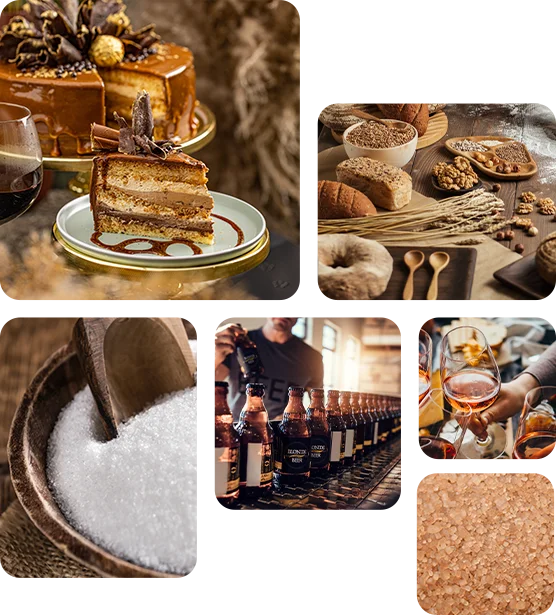
Industrial bakery breads cakes and baked goods formulated with US Sweeteners bulk ingredients
Technical Sourcing Insight

Optimizing High-Volume Bakery Formulations Through Strategic Ingredient Supply

In high-speed commercial baking, sugar and functional carbohydrates represent far more than sweetening agents. They are foundational structural ingredients that govern dough rheology, yeast metabolism, water activity ($a_w$), caramelization temperature, crumb softness, and microbiological shelf stability. Sourcing from a premier bakery ingredient supply chain is the single most critical factor in achieving batch-to-batch repeatability on high-throughput continuous processing lines.

Whether formulating white pan breads, artisan sourdoughs, laminated pastries, soft-baked cookies, or extended shelf-life snack cakes, procurement teams face a complex matrix of commodity pricing shifts, technical specifications, and regulatory hurdles. Small variances in grain size distribution (screen mesh size), residual moisture percentages, or sucrose inversion rates can trigger severe operational downtime, uneven crust browning, or premature staling.

Since 1987, US Sweeteners has bridged the gap between primary domestic/international sugar refiners and commercial baking plants. Operating from our central Brooklyn, NY distribution hub and a strategic network of partner facilities, we provide food manufacturers across all 50 states with documented, mill-contracted ingredients engineered to perform under demanding industrial baking conditions.

Google Search Intent & Procurement Note

Industrial procurement inquiries regarding "Bakery Ingredient Supply" demand verifiable technical parameters (COA metrics, DE values, solubility curves) alongside contract flexibility. Sourcing direct from floor-stocking distributors eliminates spot-brokerage middleman risks while ensuring immediate FSMA and GFSI audit readiness.
Product Portfolio & Technical Recommendations

Core Sweeteners & Functional Carbohydrates for Industrial Bakery Supply

Select from our comprehensive inventory of sugar, syrup, and starch derivatives, each fully certified and available in volume formats matched to your facility’s automated intake systems.

Formula Engineering Data

Bakery Sweetener Functional Matrix & Selection Criteria

Compare key chemical properties, fermentation speeds, and functional baking impacts to select the optimal ingredient SKU for your processing line.

Ingredient Category Primary Functional Role Relative Sweetness (Sucrose = 100) Maillard Browning Rate Fermentation Rate (Yeast) Typical Bakery Applications
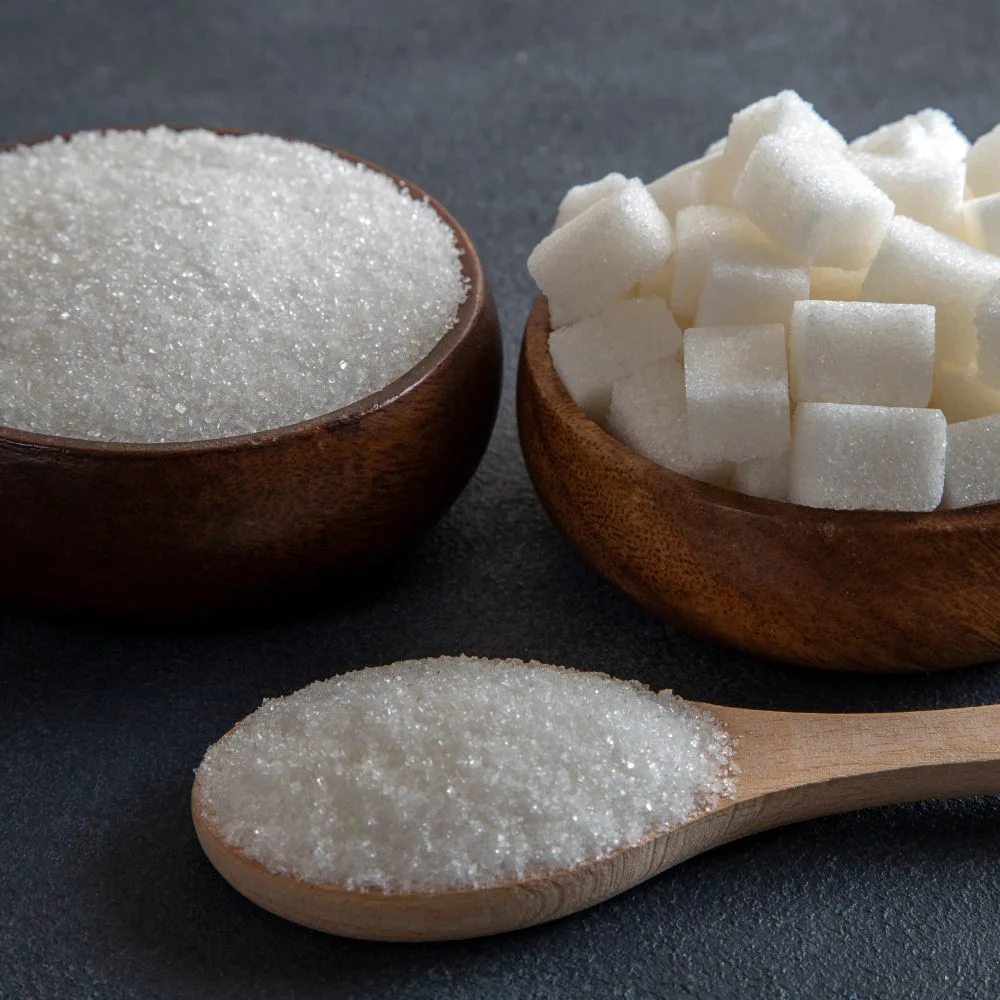
Standard Granulated Sugar Structure, aeration, sweetness, tenderizing 100 Moderate Standard (Requires Invertase) Cakes, cookies, muffins, biscuits, sweet doughs
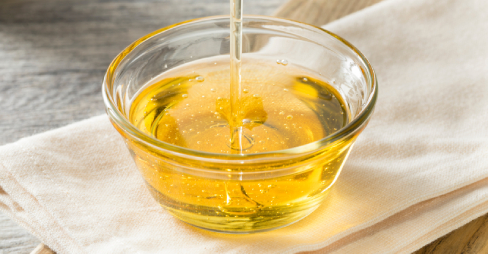
Liquid Sucrose (67° Brix) Pumpable sweetener, bulk volume, consistency 100 (dry basis) Moderate Standard High-volume white pan bread, buns, continuous batters
Dextrose Monohydrate Fast fermentation, crust browning, anti-staling 70–75 High (Rapid monosaccharide reaction) Very Fast (Direct metabolic consumption) Pan breads, sourdoughs, crackers, yeast donuts
Invert Sugar Syrup (73%) Humectancy, moisture retention, anti-crystallization 105–110 High Fast Chewy cookies, soft-baked snack cakes, icing, glazes
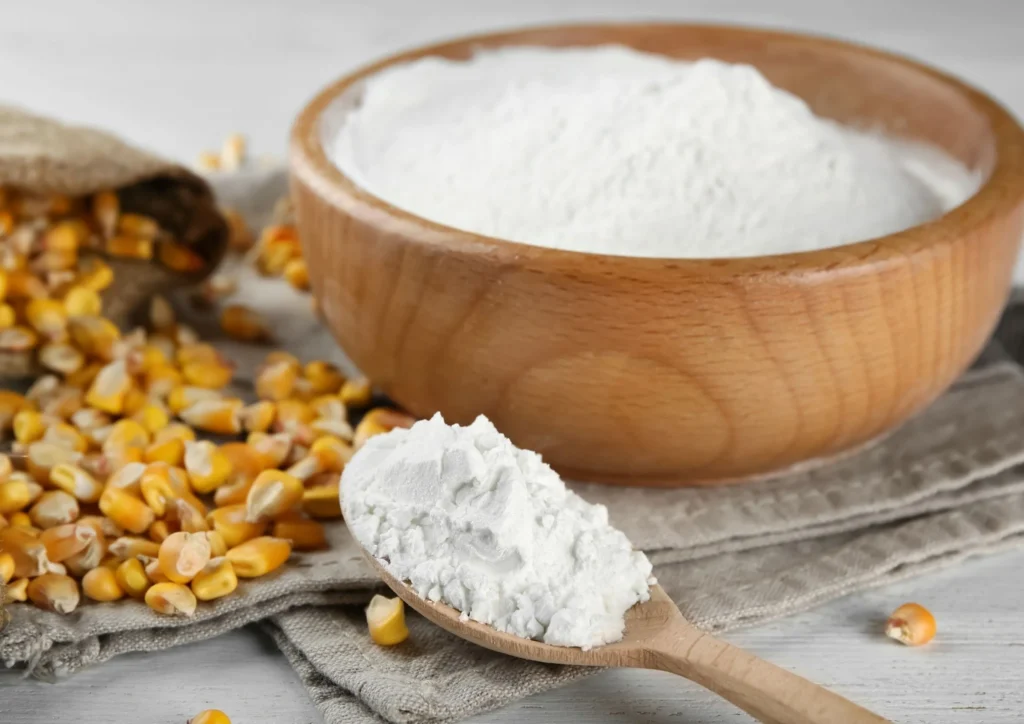
High Fructose Corn Syrup 55 Cost-effective liquid sweetness, softness 95–100 High Fast Commercial buns, snack pies, sweet bakery glazes
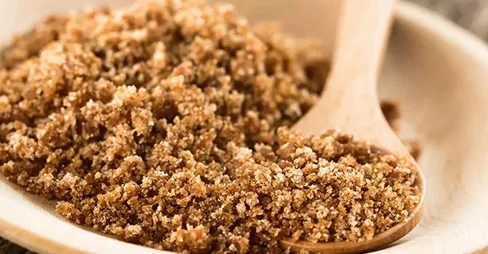
Brown Sugar / Molasses Color depth, rich flavor, moisture, acidity 85–95 High Moderate Specialty dark breads, gingerbread, soft cookies
Erythritol / Polyols Bulk sugar replacement, low calorie, zero glycemic 60–70 Zero (Non-reducing sugar) Zero (Non-fermentable) Keto bakery goods, sugar-free cakes & muffins
Strategic Market Horizons (2026–2030)

Navigating macro-economic shifts, sustainability mandates, and technical innovations redefining the industrial bakery ingredient supply chain.

1. Dual-Refinery Sourcing & Supply Chain Resilience

Global supply chain shocks, extreme weather events affecting sugar cane and sugar beet yields, and regional transport bottlenecks have forced industrial bakeries to abandon single-source procurement models. Future-ready procurement strategies rely on stocking distributors who maintain multi-mill allocation contracts.

By securing volume positions across both cane refiners in the Gulf and East Coast as well as domestic beet processing plants in the Midwest, US Sweeteners provides commercial bakeries with unbroken continuity during crop shortfalls or emergency plant shutdowns.

2. Clean-Label Syrups & Non-GMO Mandates

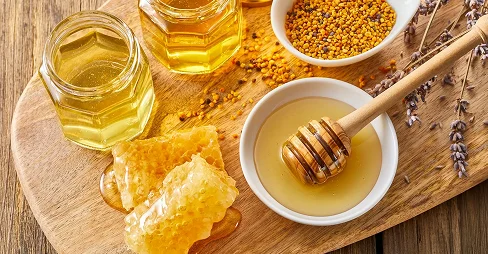
Consumer preferences continue to shift away from artificial corn syrups and synthetic conditioners toward recognizable, minimally processed ingredients. Commercial bakeries are increasingly replacing high-fructose corn syrup with non-GMO tapioca syrup, organic liquid cane sugar, and honey.

These natural alternatives deliver identical humectancy and browning characteristics while permitting clean front-of-pack claims such as "No High Fructose Corn Syrup", "Non-GMO Project Verified", and "Naturally Sweetened".

3. Precision Sugar Reduction & Keto Innovation

With sugar-reduction mandates expanding globally, food scientists must formulate low-sugar and low-carb baked goods without sacrificing volume or structural density. In baking, removing 30% sucrose destabilizes the crumb matrix and alters starch gelatinization temperatures.

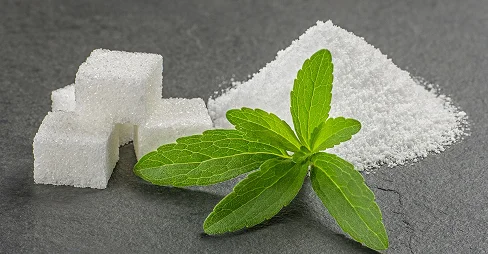
The emerging industry standard combines high-purity stevia (Reb M) or sucralose for sweetness intensity with functional polyols (erythritol/sorbitol) or soluble tapioca fibers for bulk volume, delivering delicious keto-friendly products that maintain traditional sensory profiles.

4. Transition to Automated Bulk Pneumatic & Liquid Handling

Labor costs and ergonomics are driving high-volume commercial bakeries away from 50 lb paper bags toward automated intake handling. Liquid sucrose and invert syrups pumped directly from bulk tankers or IBC totes into temperature-controlled holding tanks reduce ingredient handling labor by up to 80%.

For dry ingredients, the shift toward 2,000+ lb supersacks paired with automated loss-in-weight pneumatic discharge hoppers drastically minimizes airborne dust, eliminates bag scrap waste, and speeds up batch mixing cycles.

Why Global Buyers Choose US Sweeteners

Four Decades of Commercial Bakery Supply Excellence

For nearly 40 years (trading since 1987), US Sweeteners has functioned as a premier stocking distributor for commercial bakeries, food processors, and wholesale manufacturers across North America. Unlike commodity brokers who never touch physical product, we own and manage floor inventory in strategic regional warehouses.

Our technical team reviews your production process from formulation backwards: assessing solubility rates, thermal stability requirements, moisture tolerances, and delivery dock constraints to supply the exact SKU and packaging format your facility demands.

50U.S. States Served
40+Bulk Bakery SKUs
1987Established Hub
Bulk supersack of industrial sugar staged in US Sweeteners Brooklyn warehouse facility
Contracted Refiner Allocations

Direct volume agreements with major domestic cane and beet refiners ensure guaranteed floor supply during market shortages.

Lot-Specific COA Guarantee

Every shipment is accompanied by detailed certificates of analysis covering screen size, moisture, color (ICUMSA), and micro testing.

FSMA & Audit Ready Compliance

Fully compliant with FSMA regulations, GFSI standards, Kosher, Organic, and Non-GMO certifications for seamless plant QA approval.

Intake Solutions

Tailored Packaging Formats for Any Bakery Receiving Dock

Matching packaging to your plant’s handling equipment reduces labor costs, prevents ingredient degradation, and maximizes inventory throughput.

50 lb Multi-Wall Bags

Palletized and stretch-wrapped for manual batching lines, specialty pilot plants, and dry mix blending.

2,000+ lb Bulk Supersacks

Heavy-duty FIBC sacks with bottom discharge spouts for automated hopper loading and high-volume dry mixers.

Drums & 275-Gal IBC Totes

Food-grade 55-gallon steel/poly drums and 275-gallon totes equipped with quick-connect discharge valves for liquid syrups.

Bulk Liquid Tankers

Dedicated 48,000 lb temperature-controlled food-grade tankers for continuous high-speed industrial bread lines.

Frequently Asked Procurement Questions

Commercial Bakery Ingredient Sourcing FAQ

Answers to key technical, logistical, and contract questions commonly queried by food technologists and purchasing executives.

Procurement teams and food technologists evaluate the functional demands of the baked good. Dry granulated sucrose provides clean sweetness and structural bulk; liquid sucrose eliminates dissolving energy in continuous dough mixers; dextrose speeds up yeast fermentation and enhances crust browning via Maillard kinetics; while polyols or stevia support sugar-reduced formulations. Sourcing decisions balance bulk handling capabilities (50 lb bags vs supersacks vs liquid tankers) against target shelf-life, moisture retention, and raw material cost contracts.

In industrial baking, minor variations in moisture content, grain size distribution (screen size), or microbiological counts can disrupt high-speed continuous production lines. A lot-specific COA confirms moisture percentages (preventing caking in bulk hoppers), ash content, color standards (ICUMSA), and purity. US Sweeteners provides COAs with every shipment to ensure immediate plant QA clearance, complete audit compliance, and uncompromised batch-to-batch consistency.

Dry granulated sucrose is the traditional workhorse providing sweetness and structural volume. Liquid sucrose is pre-dissolved at ~67° Brix, allowing automated liquid metering that reduces airborne dust, speeds up mixing cycles, and cuts energy costs. Dextrose monohydrate is a simple monosaccharide (70% as sweet as sucrose) that fermenting yeast consumes faster than disaccharides, resulting in shortened proofing times, finer crumb structure, and enhanced crust coloration at lower baking temperatures.

Industrial bakeries utilize a hybrid supply strategy combining annual fixed-price mill contracts with flexible spot purchasing. Partnering with stocking distributors like US Sweeteners provides access to multi-mill allocation contracts, regional floor stock positions, and volume-based pricing brackets (supersacks, IBC totes, bulk tankers) that insulate bakeries from unexpected commodity market surges and localized supply bottlenecks.

For small-to-medium batch lines, 50 lb multi-wall paper bags offer flexible manual dosing. High-volume dry mixing plants utilize 2,000+ lb supersacks with bottom discharge spouts to feed automated hoppers, reducing plastic disposal and labor hours. Automated liquid mixing plants rely on 275-gallon IBC totes or direct bulk liquid tanker trucks (up to 48,000 lbs) connected directly to plant metering systems.

Ingredients with high humectancy, such as inverted liquid sugars, high fructose corn syrup, or honey, bind free water and lower water activity ($a_w$). This retards starch retrogradation (staling) and inhibits mold growth without relying entirely on artificial preservatives. Polyols like sorbitol and maltitol also deliver strong moisture retention for soft-baked cookies and packaged snack cakes.

Our minimum order quantities are structured for commercial and industrial scale. Dry ingredients start at single full pallets of 50 lb bags (typically 2,000–2,500 lbs) or individual 2,000 lb supersacks. Liquid ingredients start at single 55-gallon drums or 275-gallon IBC totes, scaling up to multi-tote or full tanker truckloads with tiered volume pricing.

Yes. In addition to primary brand bulk distribution, we offer custom private-label bag packing and contract blending services. We work with customer-supplied artwork and specifications to deliver retail-ready or commercial pre-mix bags with full batch trace code printing and complete regulatory compliance checks.

Secure Your Supply Chain Today

Ready to Optimize Your Bakery Ingredient Procurement?

Connect with our senior technical sourcing specialists to lock in contract pricing, request product specification sheets, or arrange immediate sample testing for your plant.