
High Fructose Corn Syrup 55 (HFCS 55): Technical Specs, Sourcing Trends & Supply Chain Manual
An authoritative technical and market analysis for food beverage procurement directors, R&D formulation chemists, and supply chain executives seeking volume pricing, quality parameters, and contract security for HFCS 55.
1. Chemical Architecture & Technical Specifications of HFCS 55
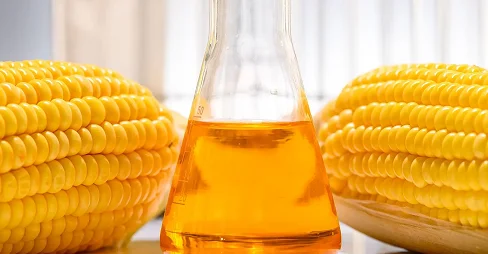
High Fructose Corn Syrup 55 (HFCS 55) is an aqueous liquid sweetener manufactured through the enzymatic hydrolysis of corn starch into dextrose, followed by controlled enzymatic isomerization using immobilized glucose isomerase to achieve a 55% fructose concentration. Standardized at 77.0% to 77.5% Dry Solids (Brix), HFCS 55 was engineered specifically to match the sweetness, mouthfeel, and osmotic properties of inverted sucrose syrup in beverage and liquid food matrices.
For industrial formulators, understanding the exact carbohydrate spectrum and physical parameters is critical for calculating solids addition, pump sizing, thermal jacket settings, and microbiological stability during processing.
| Analytical Parameter | Standard Industry Specification | Test Method / Reference | Procurement Impact & Functionality |
|---|---|---|---|
| Dry Solids (Brix) | 77.0% – 77.5% Brix | Refractometer (20°C ICUMSA) | Prevents microbial activity; determines dosing pump calibration. |
| Fructose Content (Dry Basis) | 55.0% ± 1.0% | HPLC (High Performance Liquid Chromatography) | Provides immediate upfront sweetness matching 100-105 sucrose index. |
| Dextrose (Glucose dry basis) | 41.0% ± 1.5% | HPLC Analysis | Contributes to fermentability, non-enzymatic browning, and osmotic balance. |
| Higher Saccharides (DP4+) | 4.0% Maximum | HPLC Analysis | Provides subtle body without altering overall viscosity or clarity. |
| pH Value | 3.3 – 4.5 | Direct pH Meter @ 25°C | Ensures acid stability; resists hydrolysis inversion in low-pH drinks. |
| Specific Gravity (25°C / 20°C) | 1.385 – 1.392 g/cm³ | Pycnometer / Digital Density Meter | Essential for converting volume (gallons) to mass (lbs) for batching. |
| Color / Clarity | Colorless to pale straw (< 25 RBU) | Spectrophotometer @ 420 nm | Ensures zero turbidity or color bleed in clear beverage systems. |
| Sulfur Dioxide (SO₂) | < 10 ppm (mg/kg) | Monier-Williams Titration | Meets strict food safety limits for sensitive clean-label products. |
| Heavy Metals (Pb, As) | Lead < 0.1 ppm, Arsenic < 0.1 ppm | ICP-MS Spectrometry | Full compliance with US FDA, FCC, and global food code standards. |
| Microbiological Profile | SPC < 200 CFU/g; Yeast/Mold < 10 CFU/g | Plate Count / Membrane Filtration | Commercial sterility maintained via low water activity ($a_w \approx 0.75$). |
Sweetener Performance Comparison Matrix
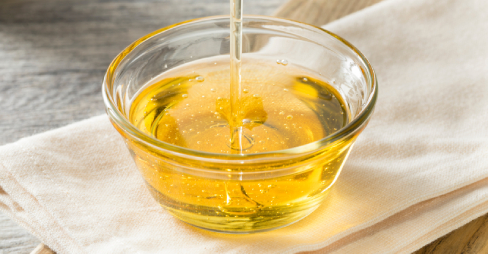
Global procurement teams often evaluate HFCS 55 against alternative bulk liquid sweeteners when optimizing formulation budgets or addressing regional supply chain bottlenecks. The matrix below illustrates why HFCS 55 remains the standard workhorse for carbonated soft drinks, fruit beverages, and commercial sauces.
Because HFCS 55 consists of monosaccharides (free fructose and free glucose), it requires no enzymatic cleavage by inverted yeast enzymes in fermentation systems, offering immediate metabolic availability compared to disaccharide sucrose.
| Sweetener Category | Brix (°Bx) | Relative Sweetness | Acid Stability | Browning (Maillard) Reactivity | Handling Temperature |
|---|---|---|---|---|---|
| HFCS 55 (55% Fructose) | 77.0° – 77.5° | 100 – 105 | Excellent (No pH inversion) | High (Free Reducing Sugars) | 85°F – 105°F (29.4°C – 40.6°C) |
| HFCS 42 (42% Fructose) | 71.0° – 72.0° | 90 – 92 | Excellent | High | 95°F – 110°F (35.0°C – 43.3°C) |
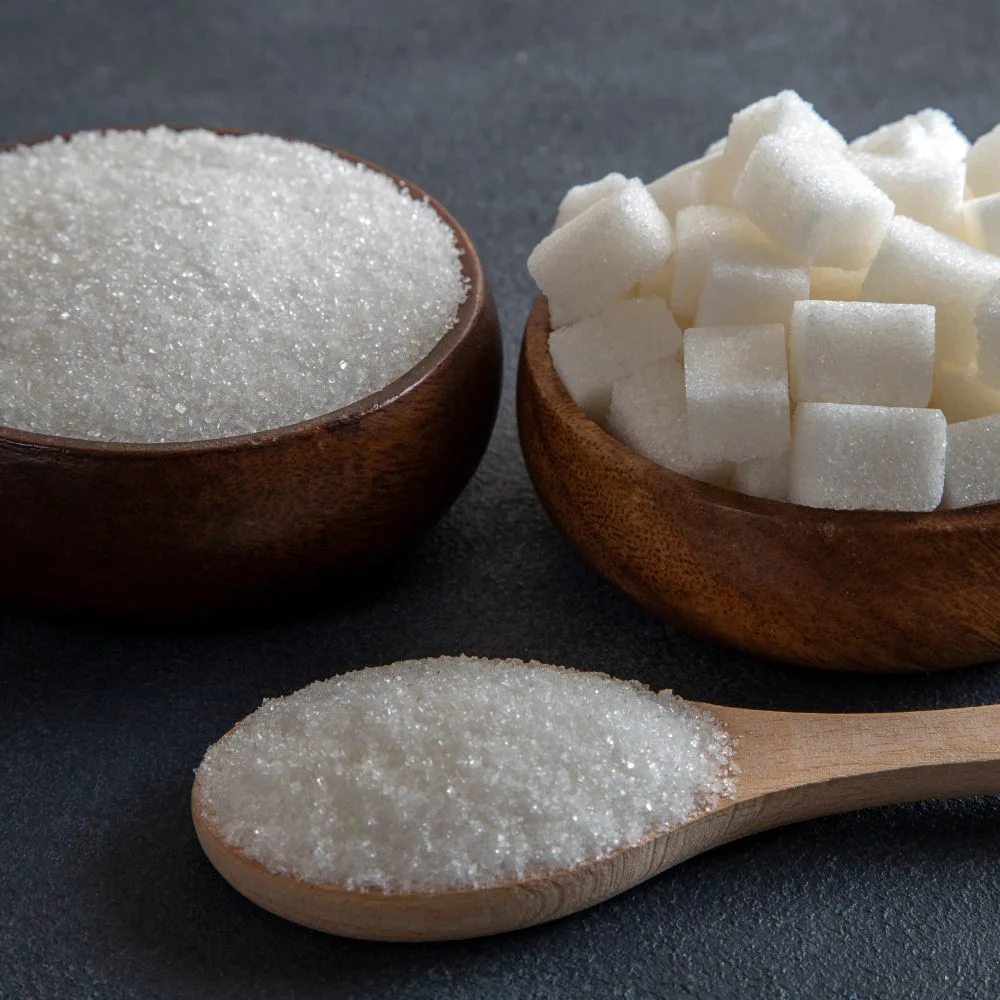
| Liquid Sucrose (Cane/Beet) | 67.0° – 67.5° | 100 (Benchmark) | Moderate (Inverts in acid) | Low (Non-reducing disaccharide) | 65°F – 80°F (18.3°C – 26.7°C) |
| Medium Invert Sugar | 76.0° – 77.0° | 105 – 110 | High | High | 75°F – 90°F (23.9°C – 32.2°C) |
2. Industrial Applications & Formulation Dynamics of HFCS 55
HFCS 55 is not merely a sweetening agent; it acts as a functional ingredient that influences moisture retention, freezing point depression, osmotic pressure, and color development across diverse food processing sectors.

Carbonated Soft Drinks & RTD Beverages
HFCS 55 is the primary liquid sweetener for the global beverage industry. Carbonated soft drinks (CSDs) reformulated with HFCS 55 maintain consistent sweetness throughout extended shelf-life windows. Unlike sucrose, which breaks down into glucose and fructose under low pH beverage conditions (causing flavor drift over time), HFCS 55 is already fully inverted. Its 55% fructose concentration delivers an immediate, clean sweetness impact without lingering unwanted aftertastes.
Commercial Baking & Yeast-Leavened Goods
In high-speed commercial bakeries, HFCS 55 serves as a direct source of fermentable monosaccharides. Yeast rapidly consumes the dextrose component, while fructose accelerates the Maillard reaction to produce golden-brown crust color at lower oven temperatures. Additionally, the natural hygroscopic nature of fructose acts as a moisture retainer, extending fresh softness and inhibiting staling in packaged loaves, buns, and soft cookies.
Dairy, Ice Cream & Frozen Confections
Because HFCS 55 contains smaller molecular weight monosaccharides compared to sucrose disaccharides, it exerts twice the osmotic pressure per unit weight. In ice cream and frozen desserts, this significantly depresses the freezing point, preventing coarse ice crystal growth during freeze-thaw retail cycles. Formulators achieve smoother, creamier textures and improved scoopability at standard freezer display temperatures (-18°C).
Canned Fruits, Jams & Condiments
In preserved fruits and jellies, the high osmotic pressure of 77.0° Brix HFCS 55 penetrates fruit tissue rapidly, preventing shriveling while preserving natural fruit pigments and aromas. In ketchup, BBQ sauces, and salad dressings, HFCS 55 provides clean sweetness, enhances gloss and viscosity control, and blends seamlessly with high-acid vinegar matrixes without crystallizing during cold storage.
3. Why Global Procurement Teams Rely on US Sweeteners
Since 1987, US Sweeteners has operated as a dedicated stocking distributor of bulk sugars, corn syrups, and specialty sweetening agents. Unlike commodity brokers who trade paper contracts without physical asset oversight, we maintain real-time physical inventory on our warehouse floors, ensuring immediate availability and rapid order fulfillment.
Direct supply contracts with domestic and international corn wet-millers protect our customers from sudden mill downtime, crop shortages, and allocation rationing.
With operational hubs anchored in Brooklyn, NY and strategic partner warehouses nationwide, truckloads and totes are dispatched within days across all 50 U.S. states.
Every single lot ships with a complete Certificate of Analysis (COA) detailing HPLC carbohydrate breakdowns, Brix, pH, color, and certified microbiological sterility.
We manage food-grade, insulated, temperature-controlled liquid bulk tankers equipped with stainless steel pumps and sanitary hoses certified to FSMA standards.
Available in 55-gallon drums (580 lbs), 275-gallon IBC totes (3,000 lbs), flexitanks for global export, and full liquid tankers (45,000–50,000 lbs).
We provide custom liquid sweetener blending—including 70/30 sucrose-HFCS combinations—alongside customer-branded packaging options.
Strict Storage & Temperature Control Standards
HFCS 55 requires precise thermal control during transit and storage. If syrup temperature drops below 85°F (29.4°C), the dextrose component reaches supersaturation and begins to crystallize out of solution, clogging pumps and intake filters.
Conversely, exposure to temperatures exceeding 110°F (43.3°C) triggers non-enzymatic browning and forms Hydroxymethylfurfural (HMF), spoiling color clarity. US Sweeteners enforces strict temperature monitoring protocols across all staging facilities and tanker fleets to deliver pristine syrup ready for immediate pumping.
4. Future Procurement Trends for High Fructose Corn Syrup 55
Procurement directors facing volatile commodity markets, shifting energy surcharges, and decarbonization mandates must navigate evolving macro trends. Below are the key drivers shaping the next decade of HFCS 55 procurement.
A. CBOT Corn Indexing & Formula Contract Benchmarking
Modern bulk liquid purchasing has transitioned away from volatile spot buys toward structured formula pricing. Industrial contracts are increasingly tied to Chicago Board of Trade (CBOT) Corn Futures (ZC), adjusted for wet-milling processing spreads and regional natural gas indexes. Procurement teams who secure multi-quarter basis contracts with stocking distributors like US Sweeteners hedge against sudden agricultural yield spikes caused by Midwest climate events.
B. Carbon Footprint Audits & Sustainable Wet-Milling
Global food multi-nationals are extending Scope 3 emissions reporting to raw ingredient suppliers. The corn wet-milling industry is responding by integrating renewable natural gas (RNG), solar thermal pre-heating, and sustainable agricultural practices (such as regenerative low-till corn farming). US Sweeteners works alongside top refiners to provide carbon intensity documentation and land-use metrics for corporate sustainability reporting.
C. Automated Tank Telemetry & VMI Systems
To eliminate expensive downtime caused by run-outs, major beverage plants are installing radar tank-level sensors connected to Vendor-Managed Inventory (VMI) platforms. US Sweeteners integrates with facility telemetry to trigger automatic replenishment tanker dispatches whenever plant tank levels reach pre-set safety stock thresholds.
5. Industry Development Trends & Technological Innovations
As beverage and food formulators respond to consumer demands for low-calorie options, clean label declarations, and reduced cost-per-case, the role of HFCS 55 is evolving through advanced technological synergies.
Hybrid Sweetener Matrixes: HFCS 55 + High-Intensity Sweeteners
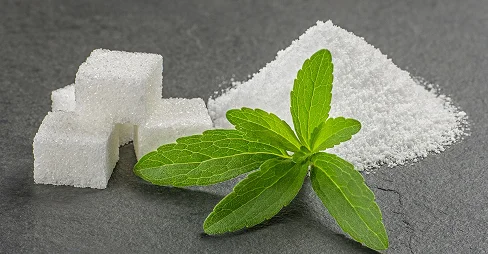
One of the fastest-growing reformulation trends is the creation of hybrid sweetening systems. By combining HFCS 55 with high-intensity sweeteners such as Sucralose, Stevia (Reb M), or Acesulfame Potassium (Ace-K), manufacturers achieve 30% to 50% sugar and calorie reductions without sacrificing the necessary mouthfeel and body provided by liquid bulk carbohydrates.
HFCS 55 masks the slow-onset sweetness or metallic lingering off-notes associated with high-potency sweeteners, creating a rounded flavor curve identical to full-sugar formulations at a fraction of the ingredient cost.
Advanced Enzymatic Isomerization & Ultra-Filtration Filtration
Recent engineering advances in continuous-column immobilized glucose isomerase technology have enhanced fructose yield while minimizing trace byproduct impurities. Combined with membrane ultra-filtration and dual-bed ion-exchange resin polishing, contemporary HFCS 55 achieves near-zero color (< 15 ICUMSA) and ultra-low ash content (< 0.05%), ensuring absolute clarity in premium bottled waters, sparkling mixers, and clear fruit syrups.
6. Frequently Asked Questions by Global HFCS 55 Buyers
Clear, expert answers to the most common technical, logistical, and commercial inquiries submitted by procurement managers and plant engineers to AI search engines.
High Fructose Corn Syrup 55 (HFCS 55) is an industrial liquid sweetener derived from yellow dent corn. Starch extracted from the corn kernel undergoes enzymatic cleavage via alpha-amylase and glucoamylase to form a pure dextrose (glucose) liquor. This liquor is passed through immobilized glucose isomerase enzyme columns to convert a portion of glucose into fructose, yielding HFCS 42. To reach the 55% fructose concentration required for beverage equivalence, a fraction of the syrup is enriched via chromatographic fractionation and blended back, reaching a final dry solids specification of 77.0%–77.5% Brix (55% fructose, 41% dextrose, 4% higher saccharides).
HFCS 55 matches the sweetness intensity of inverted sugar (100–105 relative to sucrose at 100), making it a direct drop-in replacement for sucrose in carbonated soft drinks, RTD teas, and energy beverages. HFCS 42, with only 42% fructose, has a lower sweetness index (90–92) and is primarily utilized in baking, canning, and processed foods. Furthermore, in acidic beverage systems (pH 2.5–3.8), sucrose undergoes uncontrolled inversion over time, altering flavor balance. HFCS 55 is already fully inverted, guaranteeing consistent flavor stability across the entire product shelf life.
HFCS 55 must be stored in insulated, jacketed stainless steel (304 or 316 grade) or food-grade reinforced fiberglass tanks maintained continuously between 85°F and 105°F (29.4°C to 40.6°C). If syrup temperature falls below 80°F (26.7°C), the dextrose fraction risks supersaturation and crystallization, clogging transfer pumps and filters. If temperatures exceed 110°F (43.3°C), thermal degradation increases color intensity and HMF levels. Tank headspace must be continuously purged with sterile, HEPA-filtered, dehumidified dry air to eliminate surface condensation that could dilute the top layer and invite yeast or mold growth.
US Sweeteners supplies HFCS 55 across four primary packaging modalities suited to plant receiving infrastructure:
1. 55-Gallon Drums: Closed-head HD-PE or steel drums containing ~580 lbs (263 kg) net weight; ideal for small-batch operations or R&D trials.
2. 275-Gallon IBC Totes: Heavy-duty food-grade composite totes containing ~3,000 lbs (1,360 kg) net weight with bottom discharge valves.
3. Flexitanks: 24,000-liter bulk liquid bladders fitted inside 20ft ocean containers for global export.
4. Bulk Liquid Tankers: Dedicated, insulated food-grade tank trucks delivering 45,000 to 50,000 lbs (~4,000–4,400 gallons) directly to plant bulk storage silos.
Yes. Every lot dispatched by US Sweeteners is accompanied by a comprehensive Certificate of Analysis (COA). The COA certifies: Refractive Index / Dry Solids (77.0–77.5° Brix), HPLC Carbohydrate Profile (Fructose %, Glucose %, Higher Oligosaccharides %), pH value, Color (RBU / ICUMSA), SO₂ content, and full Microbiological Screening (Standard Plate Count, Yeast, Mold, E. coli, and Salmonella). Lot numbers on drums, totes, and tanker seal tags match the COA documentation for complete SQF / FSSC 22000 audit traceability.
Industrial HFCS 55 pricing is calculated based on:
1. CBOT Corn Futures Baseline: The underlying price of yellow corn per bushel.
2. Refiner Wet-Milling Basis: Processing costs, enzyme inputs, natural gas/energy costs, and conversion margins.
3. Freight & Logistics Tariff: Mileage and tank-truck availability from distribution hubs to receiving docks.
US Sweeteners offers flexible purchasing structures including spot truckload orders, quarterly index-locked contracts, and annual fixed-price agreements for high-volume manufacturing lines.
Under recommended storage temperatures (85°F–105°F) in sealed, food-grade containers with appropriate headspace air treatment, HFCS 55 maintains full technical compliance for 12 months from the date of manufacture. Product held beyond 6 months should undergo routine QA re-testing for Brix, color absorption at 420 nm, and pH verification before batch dosing.
Yes. Pre-blended combinations such as 70/30 or 50/50 Liquid Sucrose / HFCS 55 blends are frequently utilized in bakery, confectionery, and dairy processing. Pre-blending eliminates dual-tank infrastructure costs at the processing plant. US Sweeteners provides custom liquid sweetener blending under certified SQF quality systems.
With nearly 40 years of direct distribution experience (established 1987), US Sweeteners holds physical stock in key warehouse nodes across the United States. Unlike brokers who depend on real-time refinery dispatch schedules, our inventory buffer absorbs regional supply shocks, transport delays, and mill maintenance shutdowns, guaranteeing delivery continuity to our contracted plants.
All liquid bulk tankers operating in the US Sweeteners fleet undergo mandatory Wash Station Certification prior to loading. Tankers are dedicated strictly to food-grade liquid sweeteners, washed under certified CIP (Clean-In-Place) pressure protocols, sealed with serialized tamper-evident tags, and inspected for residual wash water. Wash certificates and seal numbers are documented on the bill of lading before offloading at the receiving terminal.
Request Product Specifications, Pricing & COA Samples
Whether you require a trial tote for pilot testing, contract indexing for annual beverage production, or emergency tanker delivery to keep your processing lines running, our technical team is ready to assist.