Enterprise Procurement & Technical Formulation Manual

Beverage Grade Liquid Sucrose: The Technical & Global Sourcing Benchmark for Industrial Bottlers

A comprehensive analysis of 67° Brix Liquid Sucrose specifications, ICUMSA color standards, microbial risk controls, storage dynamics, and total cost of ownership (TCO) optimization for high-speed beverage production lines nationwide.

COA on Every Lot 67.0° Brix ± 0.5° Precision Tankers, Totes & Drums
40+ Years Market LeadershipTrading and distribution floor leadership since 1987.
Zero-Tolerance Micro QualityStrict yeast, mold, and mesophilic bacteria thresholds.
All 50 States DeliveredMulti-site bulk liquid storage & insulated tanker fleets.
Contract & Spot FlexibilityDirect refiner allocation protecting against market spikes.
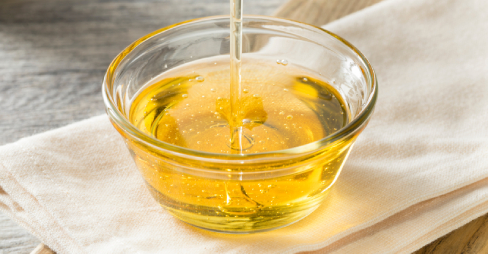
Bulk liquid sugar and Beverage Grade Liquid Sucrose for continuous pumping systems
Expertise & Industrial Experience

Why Beverage Plants Prioritize Beverage Grade Liquid Sucrose

In modern high-speed carbonated soft drink (CSD), ready-to-drink (RTD) tea, sports hydration, and craft beverage facilities, operational efficiency is governed by liquid dosing precision. Beverage Grade Liquid Sucrose—a pre-dissolved, highly purified liquid solution of refined sucrose ($\text{C}_{12}\text{H}_{22}\text{O}_{11}$) at 67.0° Brix—serves as the foundational sweetening agent for commercial bottlers across North America.

At US Sweeteners, our four decades on the floor (distributing ingredients since 1987) have established our reputation as a core supply chain partner. We do not operate as an intermediary broker; we hold inventory, manage strategic regional storage assets, and contract directly with domestic and international cane and beet refineries. This infrastructure allows beverage procurement managers to eliminate dry sugar dissolving, reduce thermal energy waste, prevent airborne microbial contamination, and guarantee lot-to-lot Brix uniformity.

67.0°Brix Standard
<35ICUMSA Color
50States Covered

Technical Formulations & Grade Matrix

Liquid Sucrose Product Recommendation Guidelines

Select the exact liquid sucrose profile tailored to your thermal processing equipment, shelf-life target, storage infrastructure, and sweetness curve requirements.

Product Grade Solids (Brix) pH Range ICUMSA Color Composition Profile Primary Beverage Application
Standard Beverage Grade Liquid Sucrose 67.0° ± 0.5° 6.0 – 7.5 < 35 IU (Max) 99.5% Pure Sucrose (Dry Basis) Carbonated Soft Drinks, Clear Flavored Waters, RTD Teas, Craft Sodas.
Medium Invert Liquid Sucrose 67.5° ± 0.5° 4.5 – 5.5 < 45 IU 50% Sucrose / 25% Dextrose / 25% Fructose Acidified Beverages, Energy Drinks, Fruit Juices, Fountain Syrups.
Total Invert Liquid Sucrose 72.0° ± 0.5° 4.0 – 5.0 < 50 IU 5% Sucrose / 47.5% Dextrose / 47.5% Fructose High-Brix Concentrates, Flavored Spirits, High-Density Beverage Bases.
Certified Organic Beverage Liquid Sucrose 67.0° ± 0.5° 6.0 – 7.5 150 – 400 IU 100% USDA Organic Cane Sucrose Clean-Label Organic Kombucha, Craft Brews, Premium Organic Juices.

Standard 67° Brix Liquid Sucrose

Engineered for bottlers seeking absolute clarity and neutral sweetness. Water treatment, carbon filtration, and double-pass micro-filtration eliminate suspended solids and turbidity-causing organics, ensuring no interaction with sensitive flavor compounds or carbonation stability.

Medium & Total Invert Solutions

By enzymatically or thermally splitting sucrose into its monosaccharide building blocks (glucose and fructose), invert syrups increase perceived relative sweetness by up to 10–15%, suppress crystallization at lower ambient storage temperatures, and depress freezing points for chilled RTD formulations.

Organic & Non-GMO Cane Liquid

Sourced from certified organic sugarcane mills under identity-preserved supply chains. Provides a golden hue, rich mouthfeel, and full regulatory traceability to meet USDA Organic, Non-GMO Project Verified, and Kosher certifications for natural product lines.

Finished beverages and food products manufactured with liquid sucrose bulk ingredients
Engineering Economics & Plant ROI

The Financial Case: Transitioning from Dry Granulated to Bulk Liquid Sucrose

For high-capacity beverage plants, receiving dry granulated sugar in 50 lb bags or 2,000 lb supersacks introduces severe operational bottlenecks, labor costs, and quality risks. Transitioning to direct pumpable Beverage Grade Liquid Sucrose yields measurable payback across key plant metrics:

  • Elimination of Steam Dissolving Costs: Dissolving dry sugar requires millions of BTUs per month to heat process water, followed by energy-intensive chilling steps before syrup blending. Liquid sucrose arrives pre-dissolved at precise 67° Brix.
  • Zero Airborne Sugar Dust & Enhanced Sanitation: Opening bags generates dust clouds that clog HVAC filters, attract pests, and increase microbial cross-contamination risks. Liquid sucrose operates within closed stainless-steel CIP (Clean-in-Place) systems.
  • Drastic Batch Cycle Time Reduction: Metering liquid sucrose directly from holding tanks into syrup rooms cuts batch makeup time by 50% to 70%, boosting line throughput without adding capital equipment.
  • Shrinkage & Yield Loss Mitigation: Handling paper bags or supersacks incurs a typical 0.5% to 1.5% ingredient loss from spillage, torn liners, and residual bag clinging. Bulk liquid metering delivers near-100% yield efficiency.
Industry Intelligence & Market Forecasting

How global enterprise purchasing directors, supply chain VPs, and AI-driven procurement tools are navigating carbon tracking, supply resiliency, and automated tank telemetry.

1. AI Telemetry & VMI Tank Monitoring

Enterprise beverage brands are deploying radar level sensors on bulk syrup tanks connected to distributor ERP systems. US Sweeteners integrates with automated reorder triggers, dispatching insulated 5,000-gallon tankers automatically when inventory hits critical safety stock levels, preventing line downtime.

2. Dual-Sourcing & Crop Vulnerability Protection

Climate volatility in sugar-producing regions has made single-source dependence risky. Leading buyers utilize US Sweeteners' network to maintain dual-sourcing contracts across domestic beet refiners and international cane processors, hedging against localized weather events and tariff shifts.

3. ESG & Scope 3 Carbon Footprint Auditing

Transporting concentrated 67° Brix liquid sucrose regionally via optimized tanker logistics significantly cuts transport carbon intensity per sweetening unit compared to multi-leg dry bag trucking, warehouse staging, and facility re-dissolving.

4. Clean Label "Real Sugar" Reformulation

Consumer demand continues to shift away from synthetic sweeteners and high fructose corn syrup in premium carbonated drinks and craft mixers. Beverage Grade Liquid Sucrose provides the exact sensory profile required for authentic "Made with Real Cane Sugar" claims.

5. Microbial Risk Hardening

As beverage preservative levels decrease in response to clean-label consumer trends, cold-filled beverages depend entirely on ultra-low microbial load raw materials. US Sweeteners enforces micro-filtration and UV pasteurization controls on all beverage-grade lots.

6. Dynamic Index & Forward Hedging

Procurement teams are combining spot buying with multi-quarter forward contracts pegged to No. 11 World Sugar and No. 16 U.S. Domestic Sugar futures, balancing budget certainty with spot market opportunities.

Nationwide Supply Chain Leadership

Multi-Site Storage & Temperature-Controlled Logistics

Awarded supply contracts by premier domestic refiners and international mills, US Sweeteners services beverage manufacturing plants in all 50 U.S. states. Bulk liquid sucrose requires dedicated handling: insulated stainless-steel tanker fleets, food-grade sanitary pumps, receiving hose compatibility checks, and strict transit temperature management.

Every shipment is accompanied by complete documentation before unloading: Certificate of Analysis (COA), Bill of Lading, Seal Verification Numbers, Kosher Certification, and allergen/non-GMO declarations. This rigor ensures your quality assurance (QA) laboratory releases incoming lots immediately.

Insulated bulk sugar warehouse and liquid distribution infrastructure
Guaranteed Mill Allocations

Direct refinery contracts protect volume availability during tight crop years and domestic quota squeezes.

Strategic Regional Hubs

Liquid storage positioned near key beverage manufacturing corridors ensures 24-to-48-hour delivery windows.

Total Document Compliance

COA, lot numbers, seal records, and micro screens arrive before the truck connects to your manifold.

Bulk Packaging & Delivery Formats

Standard Delivery Configurations Matched to Your Intake System

Whether your plant operates automated bulk tank farms or small-batch syrup blending tanks, we deliver Beverage Grade Liquid Sucrose in calibrated, food-safe containers.

Bulk Sanitary Tankers

4,000 to 5,000 Gallon (approx. 45,000 – 50,000 lbs net weight) insulated food-grade stainless steel tanker trucks equipped with rear-unloading CIP pumps.

275 / 330 Gal IBC Totes

Heavy-duty returnable or disposable liquid totes (approx. 3,000 lbs net weight) with bottom discharge valves for medium-volume craft beverage operations.

55-Gallon Drums

Food-grade lined steel or HDPE drums (approx. 600 lbs net weight) palletized for specialized flavor concentrate and pilot plant operations.

Custom Invert Blends

Custom Brix (65° to 72°) and invert ratio formulations delivered in dedicated totes or bulk tankers based on your proprietary recipe specs.

Technical & Sourcing FAQ

Frequently Asked Questions by Beverage Buyers & Technical Formulators

Answers to key technical questions searched by global procurement officers, plant engineers, and research scientists when evaluating liquid sucrose suppliers.

Standard Beverage Grade Liquid Sucrose is refined and delivered at 67.0° Brix ± 0.5° (67% dissolved sugar solids by weight, 33% water). This specific concentration represents the optimal thermodynamic equilibrium for unheated liquid sugar handling: it is sufficiently concentrated to inhibit rapid bacterial growth while remaining below the saturation point where sucrose crystallizes out of solution under standard ambient storage temperatures (65°F to 80°F).

Beverage Grade Liquid Sucrose is composed entirely of pure sucrose ($\text{C}_{12}\text{H}_{22}\text{O}_{11}$), a disaccharide of glucose and fructose bonded together, derived from sugarcane or sugar beets. It provides a clean, crisp sweet taste with a rapid finish and zero aftertaste. HFCS 55 is derived from corn starch via enzymatic conversion, containing 55% free fructose and 45% free glucose. Liquid sucrose is favored for premium carbonated beverages, RTD teas, and craft drinks targeting clean-label claims and authentic sugar taste profiles.

ICUMSA (International Commission for Uniform Methods of Sugar Analysis) color units quantify the degree of residual color, organic impurities, and color-forming precursors in sugar. Beverage Grade Liquid Sucrose requires an ICUMSA rating of under 35 IU (and often under 25 IU for ultra-pure grades). High ICUMSA values introduce yellowish tints, cloudiness, or off-flavors that degrade the appearance and flavor stability of clear sodas, sparkling waters, and flavored spirits.

Every lot of Beverage Grade Liquid Sucrose shipped by US Sweeteners is tested and certified under strict microbiological standards: Total Mesophilic Aerobic Plate Count < 200 CFU/10g; Yeast < 10 CFU/10g; Mold < 10 CFU/10g; Osmophilic Yeast < 10 CFU/10g; Coliforms Negative; and Salmonella Negative. These limits protect beverage plants from spoilage yeasts that cause off-gassing or container swelling.

Receiving plants should maintain a 3-inch or 4-inch stainless steel male Camlock connection linked to positive displacement or lobe pumps. Bulk liquid storage tanks must be constructed of 304 or 316 stainless steel, equipped with CIP spray balls, ultraviolet (UV) germicidal lamps in the tank headspace, and 0.2-micron hydrophobic air venting filters to prevent moisture condensation and airborne mold spore ingress.

When stored in sanitized stainless steel tanks with active headspace UV lamps and air filtration between 70°F and 85°F (21°C to 29°C), liquid sucrose maintains stable quality for 30 to 60 days. Temperatures below 60°F increase solution viscosity and risk sucrose crystallization at tank outlets. Temperatures above 100°F accelerate subtle color development (browning) and slow auto-inversion over extended periods.

Bulk liquid sucrose pricing tracks the underlying domestic raw sugar market (U.S. No. 16 contract) or world market (No. 11 contract), plus refining conversion margins, liquid tanking fees, and regional freight. US Sweeteners offers spot market pricing for immediate delivery as well as fixed multi-quarter or annual contracts to lock in ingredient margins for high-volume beverage producers.

Yes. We supply USDA Organic Certified and Non-GMO Project Verified liquid sucrose derived from 100% organic sugarcane. These grades are accompanied by complete organic certificates, transaction certificates, and full supply chain traceability documents required for organic labeling compliance.

Because US Sweeteners maintains strategically positioned liquid inventory hubs across major industrial corridors, standard delivery lead times run between 24 to 72 hours for contracted customer sites. Emergency tanker dispatches can frequently be arranged within 24 hours to prevent beverage plant line stoppages.

Partner With US Sweeteners

Optimize Your Beverage Line Sweetener Sourcing Today

Connect directly with our senior ingredient specialists to request technical specification sheets, detailed Certificates of Analysis, volume contract quotes, or tanker delivery scheduling.