Bulk sugar warehousing for brewery supply
Technical Expertise

Understanding Brewery Fermentation Sugars: Biochemistry and Gravity Control

In modern commercial brewing, Brewery Fermentation Sugars serve far greater purposes than simply boosting alcohol by volume (ABV). When deployed with precision, exogenous fermentable sugars act as essential tools for gravity modification, attenuation tuning, dry-out engineering, and flavor profile stabilization across ale, lager, hard seltzer, and specialty beverage platforms.

Standard barley malt worts deliver a natural carbohydrate spectrum dominated by maltose (~50-55%), maltotriose (~10-15%), glucose (~10-15%), and unfermentable dextrins (~20-25%). However, brewing high-gravity IPAs, Belgian Quadrupels, crisp West Coast Double IPAs, or ultra-clean Hard Seltzers requires sugar sources that bypass the metabolic limitations of traditional mashing.

At US Sweeteners, our distribution architecture has supported North American and global beverage producers since 1987. By holding 40+ bulk SKUs in key regional hubs, we provide commercial breweries with contract-backed supply security, lot-specific Certificates of Analysis (COA), and technical clarity on carbohydrate utilization.

Yeast Physiology & Fermentation Science

Yeast Carbohydrate Assimilation Hierarchy in Brewery Fermentations

To optimize adjunct selection, brewmasters must consider how Saccharomyces cerevisiae (ale strains) and Saccharomyces pastorianus (lager strains) assimilate simple sugars versus complex malt-derived carbohydrates:

  • D-Glucose (Dextrose): Transported directly across the yeast cell membrane via hexose transporters (HXT family) through facilitated diffusion. Glucose requires zero enzymatic pre-cleavage, making it the fastest metabolic energy source for ethanol conversion.
  • D-Fructose: Assimilated concurrently or immediately following glucose uptake through the same hexose transport channels, converting cleanly to pyruvate via glycolysis.
  • Sucrose: Hydrolyzed extracellularly at the cell wall by the yeast enzyme invertase into equal parts glucose and fructose before cellular uptake.
  • Maltose & Maltotriose: Require active transport (MALT permeases) and intracellular cleavage by maltase enzymes. High concentrations of free glucose in the wort can temporarily induce catabolite repression, delaying maltose uptake.

By strategically dosing Dextrose Monohydrate or Liquid Sucrose into the kettle boil or mid-fermentation, brewers avoid over-stressing yeast during initial oxygenation while achieving final gravity targets that all-malt mashes cannot accomplish.

Comprehensive Portfolio

Recommended Brewery Fermentation Sugars & Technical Specifications

From high-attenuation sugars to mouthfeel-enhancing dextrins, explore our specialized brewing adjunct line formulated for consistent gravity control, rapid dissolution, and microbiological purity.

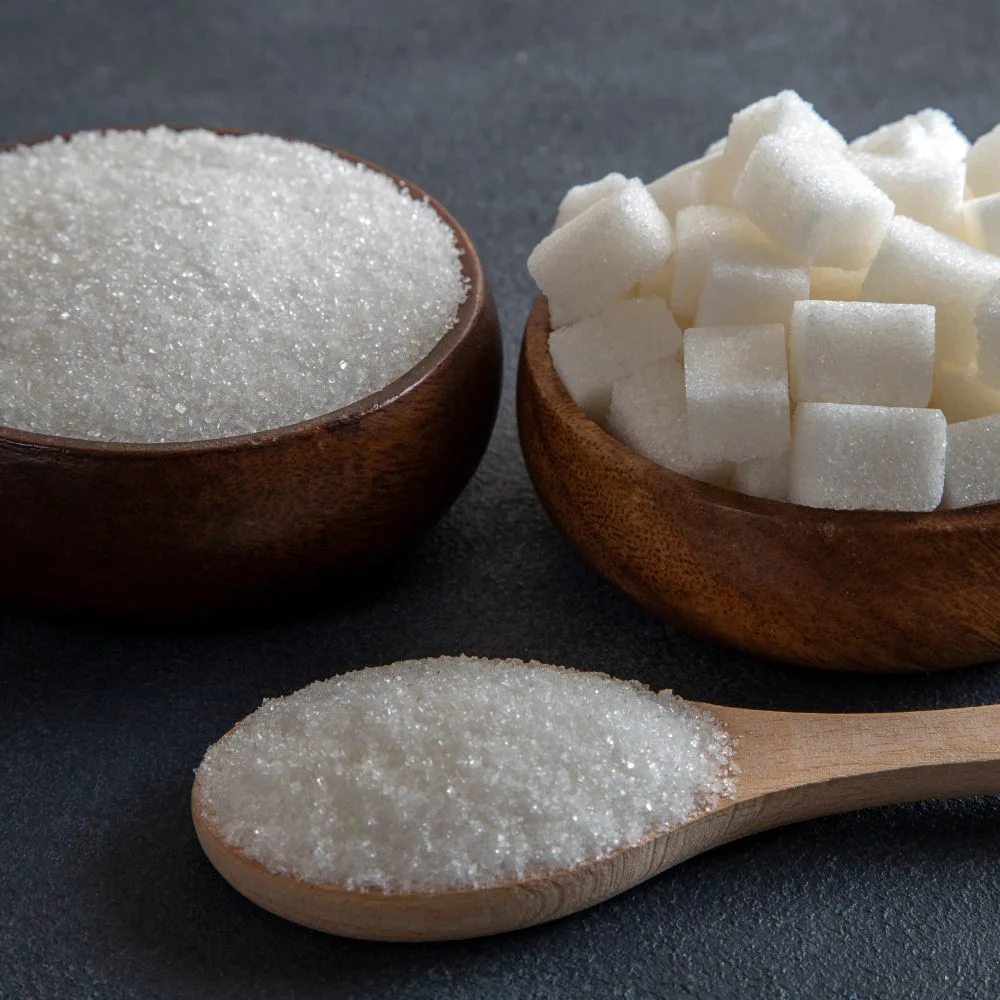
Bulk Dextrose Monohydrate Powder for Brewing
100% Fermentable Dry Adjunct

Dextrose Monohydrate (Brewing Grade D-Glucose)

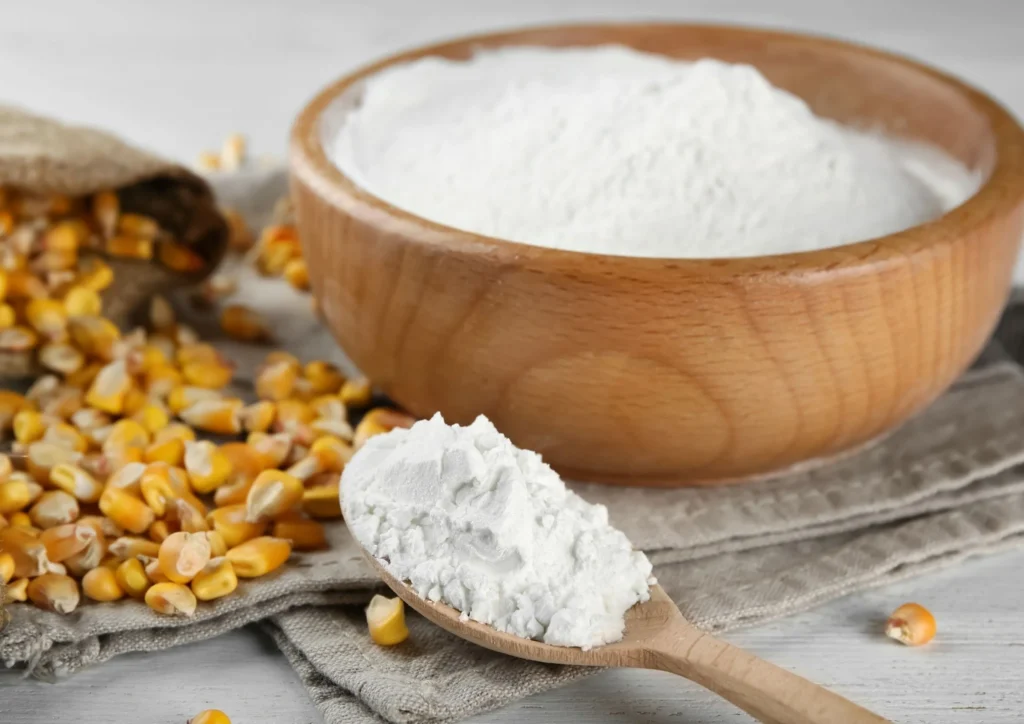
Fine crystalline powder derived from corn starch enzymolysis. Dextrose monohydrate dissolves rapidly in kettle additions and ferments completely without leaving unfermentable dextrin residues. Essential for crisp Double IPAs, Imperial Stouts, and Hard Seltzer bases.

  • Fermentability: 100%
  • Moisture: 8.5% – 9.2%
  • Format: 50 lb bags, 2,000 lb supersacks
Get Catalog
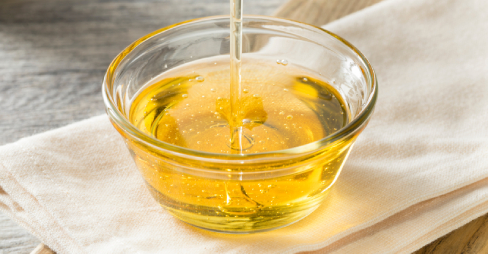
Bulk Liquid Sucrose for Brewery Pump Systems
Kettle & Tank Metered Syrup

Liquid Sucrose (Cane / Beet 67° Brix)

High-purity liquid sucrose syrup engineered for automated pump-in kettle additions. Eliminates bag-handling labor, airborne powder dust, and kettle caramelization risks while maintaining precise gravity dosing per barrel.

  • Solids (Brix): 66.5° – 67.5° Brix
  • Purity: >99.9% Sucrose (Dry Basis)
  • Format: 275-Gal IBC Totes, Bulk Tankers
Get Catalog
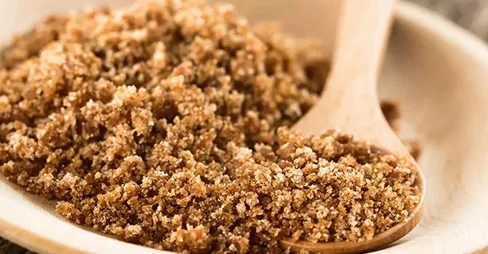
Brown Sugars and Industrial Molasses for Dark Ales
Flavor & Color Specialty

Industrial Molasses & Dark Muscovado

Rich, unrefined fermentable syrups and dark cane sugars carrying trace minerals, rum-like aromatics, and caramel depth. Formulated for Belgian Dubbels, Quads, Baltic Porters, and festive seasonal ales.

  • Fermentability: ~70% – 82%
  • Color: Deep Amber to Dark Brown
  • Format: 55-Gal Drums, 275-Gal Totes
Get Catalog
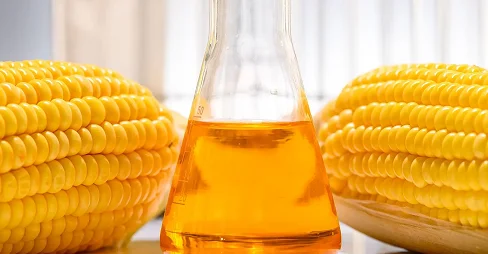
Bulk Corn Syrups and High Fructose Corn Syrup for High Volume Brewing
High-Volume Cost Efficiency

High Fructose Corn Syrup (HFCS 42 / HFCS 55)

Highly liquid, highly fermentable corn-derived syrups optimized for macro-scale lager and ale production. Offers superior cost-per-barrel efficiency, rapid fermentability, and clean flavor profiles for regional beverage plants.

  • Fructose Content: 42% or 55% (Dry Basis)
  • Fermentability: >98%
  • Format: Tanker Loads, 275-Gal Totes
Get Catalog
Maltodextrin Powder for Brewery Mouthfeel Control
Non-Fermentable Body Builder

Maltodextrin (DE 10 – 15 Powder)

Non-fermentable complex carbohydrate designed to add viscosity, foam stability, and body to low-ABV beers, Hazy IPAs, and Stout recipes without increasing sweetness or alcoholic strength.

  • Fermentability: 0% (Body Enhancer)
  • DE Value: 10 – 15
  • Format: 50 lb bags, 1,500 lb supersacks
Get Catalog
Clean Label Organic Rice and Tapioca Syrups
Gluten-Free & Organic

Organic Rice & Tapioca Syrup Solids

Non-GMO and organic certified carbohydrate sources ideal for gluten-reduced craft brewing, hard ciders, and natural beverage formulation requiring clean front-of-pack claims.

  • Certifications: USDA Organic, Kosher
  • Solubility: Instant Hot/Cold Water
  • Format: 50 lb bags, Drums, Totes
Get Catalog
Technical Reference Matrix

Brewery Fermentation Sugar Technical Matrix

Use this comparative matrix to align gravity goals, attenuation targets, and brewhouse addition stages with the appropriate carbohydrate ingredient.

Sugar Adjunct Type Fermentability (%) Brix / Yield (Pts/Lb/Gal) Primary Brewing Function Addition Point
Dextrose Monohydrate 100% ~46 PPG (1.046) Dry out finish, boost ABV without sweetness Kettle Boil / Active Fermenter
Liquid Sucrose (67° Brix) 100% ~46 PPG (Dry Basis) Automated volume expansion, high-gravity ales Kettle Boil / Whirlpool
Industrial Molasses 70% - 80% ~36 PPG Color depth, dark mineral flavor complexity Late Kettle Boil
HFCS 55 >98% ~50 PPG (77° Brix syrup) Cost-efficient gravity boost in macro lagers Kettle Dosing System
Maltodextrin (DE 10-15) 0% ~40 PPG (Non-Fermentable) Increase mouthfeel, body, and head retention Kettle Boil / Conditioning Tank
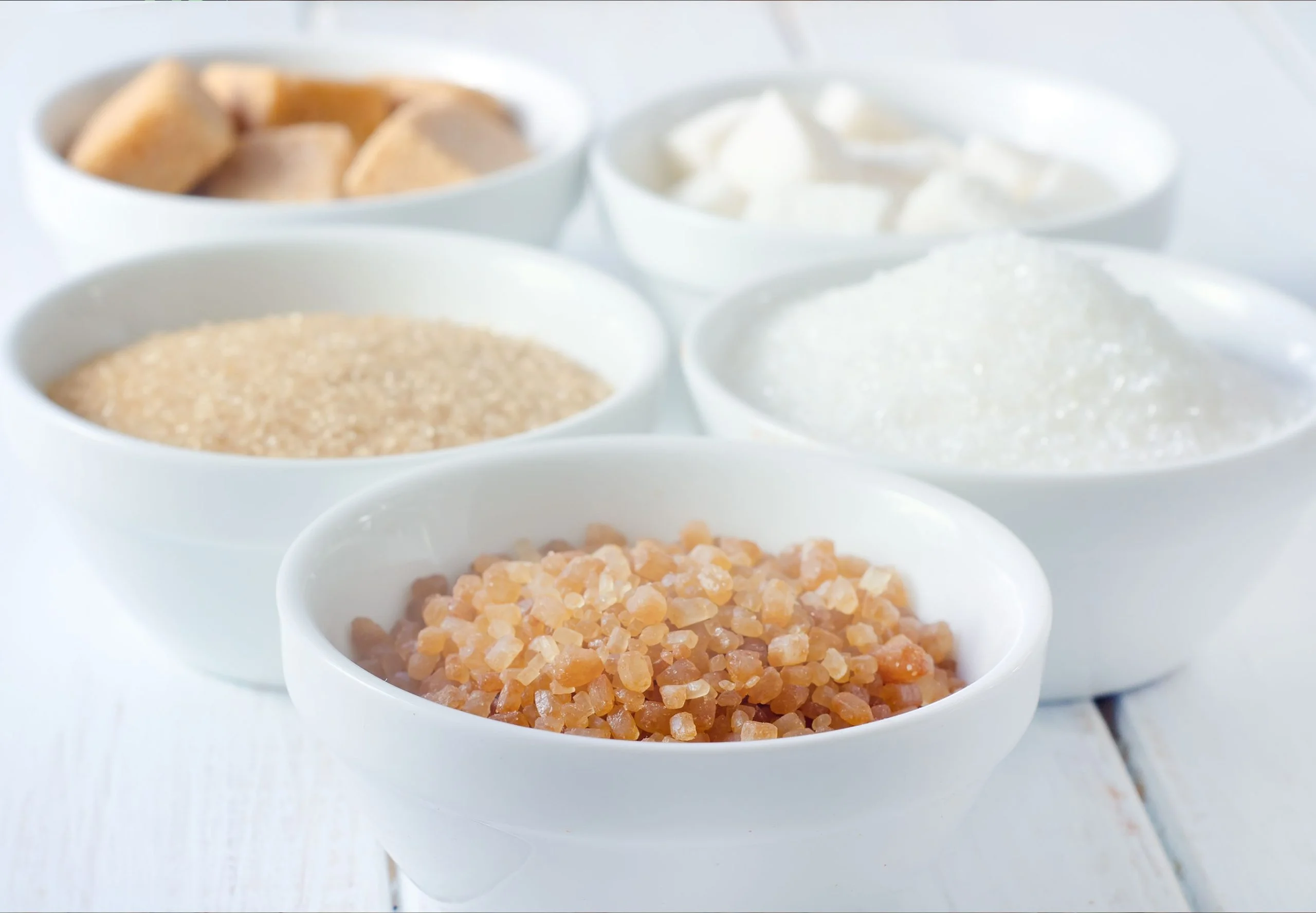
Brown Sugar (Cane) 95% - 98% ~45 PPG Warm caramel notes, ester harmonization Kettle Boil

* PPG = Points per Gallon per Pound. Calculated values are empirical estimates for standard wort calculations. Always verify batch-specific gravity via hydrometer or digital refractometer.

Market Intelligence & Industry Vision

The global brewing landscape is undergoing structural shifts driven by changing consumer preferences, volatile agricultural commodity markets, and rapid brewhouse automation. Procurement teams can no longer rely solely on spot-market grain purchases; strategic sugar sourcing has become central to brewery profitability and brand differentiation.

1. The Hard Seltzer and Beyond-Beer Surge

The rapid evolution of hard seltzers, ready-to-drink (RTD) canned cocktails, and flavored malt beverages (FMBs) has altered brewery carbohydrate demand. Hard seltzer production relies heavily on 100% dextrose monohydrate or refined liquid sucrose bases, paired with specialized nutrient regimes. Breweries require ultra-low color (ICUMSA <45) and zero ash impurities to ensure crystal-clear, odor-neutral fermented bases prior to carbon filtration.

2. Precision Attenuation for Non-Alcoholic (NA) & Low-ABV Fermentation

As the low-and-no alcohol beer category expands globally, brewers utilize specialized non-fermentable carbohydrates like high-DE maltodextrin, maltotriose-rich corn syrup solids, and non-assimilable polyols. These ingredients restore sensory mouthfeel, body, and foam dynamics that are typically lost during de-alcoholization or arrested fermentation processes.

High capacity warehouse staging for brewery sugar distribution

3. Decarbonization and Sustainable Supply Chain Transparency

Global beverage conglomerates and independent craft unions are increasingly mandating Scope 3 carbon emission reductions. Sugar refiners and corn wet-millers are adopting regenerative agriculture metrics, zero-landfill processing, and solar-powered drying facilities. US Sweeteners partners with forward-thinking refiners to supply non-GMO project verified, USDA Organic, and ethically certified sugar streams accompanied by carbon footprint compliance documentation.

4. Volatility Management in Global Sugar Commodities

Sugar markets track the ICE No. 11 (World Raw Sugar) and No. 16 (US Domestic Refined Sugar) futures contracts. Supply disruptions caused by climate variations in Brazil, India, and North American sugarbeet regions create pricing spreads. Modern breweries are transitioning from hand-to-mouth spot purchases to structured 12-to-24 month forward contracts, securing locked-in pricing and guaranteed warehouse allocations from stocking distributors like US Sweeteners.

B2B Procurement & Technical FAQ

Frequently Asked Questions by Commercial Brewmasters & Buyers

Clear technical answers to common queries regarding yeast kinetics, batch calculations, handling logistics, and Certificate of Analysis verification.

Dextrose Monohydrate (D-glucose) is 100% fermentable by standard Saccharomyces brewing strains without requiring the extracellular invertase enzyme step needed for sucrose. Because dextrose is consumed rapidly without leaving residual unfermentable dextrins, it boosts the alcohol by volume (ABV) while reducing the final gravity (FG). This effectively dries out the beer's finish and lightens overall malt body, making it ideal for West Coast IPAs and Belgian-style tripels.

Most dry and liquid sugars (dextrose, sucrose, HFCS) are added late in the kettle boil (10 to 15 minutes remaining) to guarantee complete dissolution and thermal sterilization while minimizing Maillard browning reactions. In high-gravity brewing (>18° Plato), brewers often feed concentrated liquid sugar solutions directly into active fermenters (cold side) under sterile conditions. Step-feeding reduces wort osmotic pressure on yeast during early growth phases.

Brewmasters must review: (1) Moisture Content (dextrose monohydrate should register between 8.5%–9.2%); (2) Color (ICUMSA or RBU) (lower numbers indicate higher purity, crucial for pale lagers and seltzers); (3) Sulfite / Ash Content (excessive mineral ash alters wort buffer capacity); and (4) Microbiological Testing (aerobic plate count <1000 CFU/g, zero E. coli and Salmonella) to ensure batch safety.

Small to medium craft breweries (5 BBL to 30 BBL) typically order palletized 50 lb multi-wall moisture-barrier paper bags for manual batching into the kettle steam condenser port. Microbreweries with bulk hoppers utilize 2,000 lb supersacks with bottom-discharge spouts. Regional production facilities and macro breweries utilize 275-gallon IBC totes or full 48,000 lb liquid tankers that unload directly into heated bulk storage silos.

High initial wort original gravity (OG >20° Plato) subjects yeast cell membranes to severe osmotic pressure, causing cellular dehydration, sluggish fermentation, or unwanted fusel alcohol production. Replacing a portion of high-gravity malt mash solids with simple sugars added incrementally mid-fermentation lowers initial osmotic stress, allowing yeast to establish strong biomass before finalizing high ABV targets.

Crystalline sugars (granulated sucrose, dextrose monohydrate) have an indefinite shelf life when stored below 80°F (27°C) and relative humidity below 60%. Products must be stored off concrete floors on wooden or plastic pallets, isolated from moisture and volatile chemical aromas. Liquid sucrose and syrups should be held in temperature-controlled tanks (around 70°F–90°F) equipped with sterile air vents to prevent surface condensation and mold growth.

Enterprise Reliability Since 1987

Why Commercial Breweries Partner with US Sweeteners

Sourcing raw materials for commercial brewing requires absolute consistency, lot-to-lot purity, and supply chain speed. US Sweeteners operates as a premier stocking distributor rather than a middleman broker, maintaining robust stock reserves across regional warehouse hubs.

40+Sweetener SKUs
50U.S. States Served
1987Established
  • Lot Traceability & COA Assurance: Every delivery includes full analytical testing documentation verifying purity, moisture, and micro counts.
  • Multi-Site Warehousing Footprint: Strategic distribution centers release truckloads in days, preventing brewhouse downtime caused by refinery backlogs.
  • Custom Blending & Private Packaging: We provide tailored dry pre-blends and flexible packaging sizes from 50 lb bags to 2,000 lb supersacks.
Commercial beverage production with US Sweeteners ingredients
Direct Brewery Procurement

Request Product Specifications, Samples & Bulk Quotes

Connect directly with our beverage technical specialists. Review full ingredient specification sheets, obtain lot COAs, and secure competitive volume pricing for your brewery's exact operational requirements.