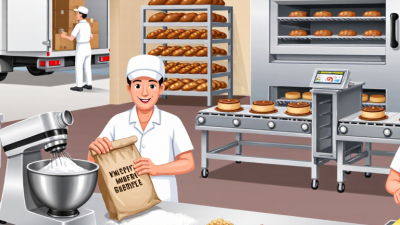
What Is Bakery Ingredient Supply and How Does It Work?
Bakery Ingredient Supply is the often-unseen system behind every loaf, pastry, and decorated cake. It connects farms, processors, distributors, and commercial bakeries. Flour may begin in a wheat field, while butter, yeast, cocoa, sugar, and improvers pass through several controlled stages. Each ingredient must arrive in the right condition, quantity, and timeframe.
Peter Reinhart, an award-winning baking educator and author, has said, “Bread is a deeply human food.” His observation also fits the supply chain. Ingredients influence texture, flavor, production speed, and customer trust. A bakery cannot simply order flour and expect consistent results. It must check specifications, storage temperatures, delivery records, allergen information, and batch performance. Small details matter. A warm delivery can damage sensitive ingredients. A late shipment can stop a production line.
This guide explains how Bakery Ingredient Supply works in practical terms. It follows the movement from sourcing and purchasing to warehousing, quality checks, and final delivery. It also considers supplier relationships, traceability, seasonal pressure, and changing customer expectations. Reliable supply is not always the cheapest supply. That assumption deserves review. A lower price may hide unstable quality, higher waste, or missed delivery windows. Yet even well-managed systems can fail. Forecasts may be wrong, transport may be delayed, and ingredient standards may change. Understanding these weaknesses helps bakery owners make better, more evidence-based decisions.
Read more »
 By:Elara
- September 17, 2026
By:Elara
- September 17, 2026
 By:Ethan
- September 17, 2026
By:Ethan
- September 17, 2026