Choosing the right Beverage Grade Liquid Sucrose supplier in 2026 requires more than comparing prices. Beverage manufacturers need dependable sweetness, stable texture, and predictable performance across every production run. A syrup may look clear in a sample bottle, yet its real value appears during high-volume blending, storage, and transport.
This guide examines leading suppliers through practical purchasing criteria. These include Brix consistency, microbiological controls, traceability, food safety certifications, packaging options, and delivery reliability. Supplier experience also matters. A company serving carbonated drinks, juices, energy beverages, and dairy-based formulas should understand different processing conditions. Clear technical documents help buyers verify specifications before signing contracts. Samples matter too.
Small details can prevent expensive delays. Check batch records. Confirm allergen statements. Review shelf-life evidence. Ask how temperature changes affect viscosity and crystallization. Regional warehouses may reduce transit risks, while flexible minimum order quantities can support growing brands. However, supplier rankings are never permanent. Freight costs, crop conditions, regulatory updates, and production capacity can change quickly. That is easy to overlook.
The suppliers discussed here are assessed for documented capability, responsive communication, and consistent product quality rather than marketing claims alone. Independent verification remains important, especially for new partnerships or international purchases. No supplier fits every operation. A beverage plant may prioritize bulk tanker delivery, while a smaller producer may need drums or intermediate bulk containers. The strongest choice balances quality, compliance, technical support, and total delivered cost. Not just the lowest quote.
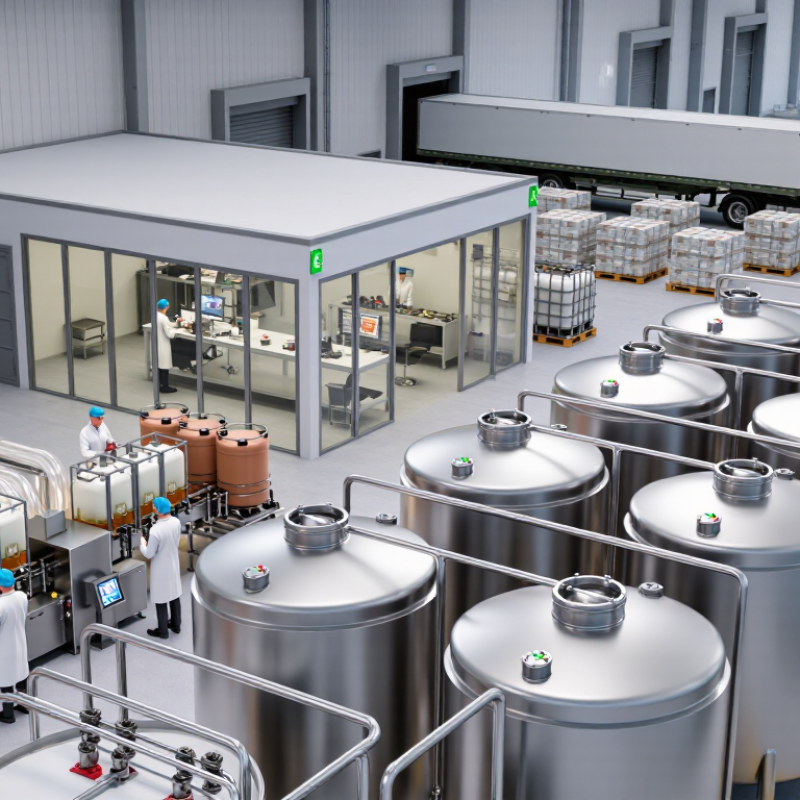
2026 Top Beverage Grade Liquid Sucrose Suppliers?
Beverage-grade liquid sucrose is a refined sugar solution used to sweeten drinks consistently. Unlike dry sugar, it arrives ready for blending, reducing dust and dissolving time. Its quality depends on purity, concentration, color, taste, and microbiological control. A clear syrup should have a clean sweetness, not a burnt or sour note. Small differences matter in lemon drinks, iced tea, and flavored water.
Reliable suppliers should provide current certificates of analysis for every production lot. These documents should show solids content, pH, color, microbiological results, and storage conditions. In practice, purchasing teams should also inspect delivery tanks and sample the syrup before large-scale use. A stable product flows smoothly through dosing equipment. Crystallization or unexpected thickness can interrupt production quickly. Good documentation helps, but it does not replace testing.
Storage temperature deserves attention. Excessive heat may darken the syrup and affect flavor over time. Poorly cleaned transfer lines can introduce contamination, even when the original product was compliant. This is where supplier experience becomes visible. Ask how batches are traced, how deviations are handled, and how transport is monitored. No system is flawless. A supplier that admits occasional process weaknesses may be more trustworthy than one promising perfection. Quality means consistent performance, practical evidence, and timely communication—not simply a low purchase price.
The table below provides a practical, supplier-neutral benchmark for evaluating beverage-grade liquid sucrose suppliers. Values shown are common commercial targets and should be confirmed against each supplier’s current specification, certificate of analysis, and regulatory documentation.
| Evaluation Dimension | Recommended Commercial Benchmark | Why It Matters in Beverages | Supplier Verification Evidence |
|---|---|---|---|
| Product identity | Liquid sucrose solution made from refined sucrose and potable water | Ensures the sweetener is suitable for direct use in soft drinks, juices, dairy beverages, and other liquid formulations. | Technical data sheet, ingredient statement, process description, and product specification |
| Sucrose concentration | Common commercial grades: approximately 65–67 °Brix; custom concentrations may be available | Consistent soluble-solids content supports accurate recipe dosing, sweetness control, and predictable beverage processing. | Current certificate of analysis showing °Brix or total soluble solids |
| Appearance and color | Clear to slightly opalescent liquid; low color and free from visible foreign matter | Low color helps preserve the intended appearance of clear and lightly colored beverages. | Visual inspection standard, color method, and retained-sample records |
| Flavor and odor | Clean, sweet taste with no burnt, fermented, chemical, or off-odors | Off-notes can remain noticeable in low-flavor beverages and may affect consumer acceptance. | Sensory specification, batch-release procedure, and complaint history |
| pH control | Supplier-defined range, commonly mildly acidic to near neutral depending on formulation and process | Stable pH supports consistent flavor, color, preservative performance, and process control. | Lot-specific pH result and validated testing method |
| Microbiological safety | Controlled total plate count, yeast and mold, and absence or controlled limits for specified pathogens according to applicable food regulations | Although concentrated sugar solutions are relatively resistant to microbial growth, contamination can occur during production, handling, or dilution. | Microbiology results, environmental monitoring summary, and food-safety plan |
| Food-safety certification | A recognized GFSI-benchmarked certification, such as BRCGS, FSSC 22000, or SQF, is preferred | Third-party certification indicates that documented controls exist for hazards, sanitation, traceability, and corrective actions. | Valid certificate, scope statement, audit date, and certification status |
| Regulatory compliance | Compliance with the destination market’s food-additive, labeling, hygiene, and contaminant requirements | A product acceptable in one market may require additional documentation or labeling review in another. | Regulatory statement, allergen declaration, specifications, and market-specific documentation |
| Allergen and GMO status | Clear declaration of allergen status and GMO policy; typically no intentionally added major allergens in pure liquid sucrose | Accurate declarations support label compliance and prevent cross-contact risks in finished beverages. | Signed allergen statement, GMO statement, and cross-contact controls |
| Traceability | Documented one-step-back and one-step-forward traceability with lot coding | Fast traceability reduces recall exposure and supports effective investigation of quality deviations. | Mock-recall results, lot-code format, records-retention policy, and delivery documents |
| Packaging and transport | Food-grade sealed drums, totes, or bulk tankers with hygienic loading and unloading procedures | Suitable packaging prevents contamination, leakage, and quality deterioration during distribution. | Packaging declaration, tanker-cleaning records, seal controls, and transport conditions |
| Storage requirements | Clean, sealed, food-grade storage protected from contamination, excessive heat, and freezing; supplier-defined temperature guidance required | Improper storage can increase crystallization, viscosity changes, discoloration, or microbial risk after contamination. | Shelf-life statement, storage instructions, and warehouse handling procedure |
| Supply continuity | Documented production capacity, safety stock policy, alternate logistics routes, and business-continuity planning | Reliable supply helps beverage manufacturers avoid line stoppages and reformulation caused by shortages. | Capacity statement, lead-time history, contingency plan, and service-level records |
| Documentation quality | Complete and current technical, safety, regulatory, allergen, and certificate-of-analysis documentation | Strong documentation shortens supplier approval and supports audits, quality investigations, and product launches. | Document-control register, revision dates, signed declarations, and response-time records |
| Sustainability information | Transparent information on agricultural sourcing, water use, energy management, packaging, and emissions where available | Sustainability data supports responsible sourcing programs and customer or regulatory reporting. | Sustainability policy, third-party assessments, chain-of-custody records, and relevant certificates |
It is a refined sugar solution designed for beverage production. It arrives ready for blending. This reduces dust and dissolving time. It provides consistent sweetness in iced tea, lemon drinks, and flavored water.
Quality affects sweetness, color, flavor, and production stability. A clear syrup should taste clean, without burnt or sour notes. Small differences can change a drink’s final taste. That matters.
Request a current specification sheet and a batch-specific Certificate of Analysis. The documents should show Brix, pH, color, ash, and microbiological results. They should also include storage conditions and allergen status. Documents help, but testing remains necessary.
Sample the syrup from several production batches. Check its flow, appearance, taste, and laboratory results. Run it through dosing equipment when possible. Unexpected thickness may interrupt filling lines.
Store the syrup within the supplier’s recommended temperature range. Excessive heat may darken the product and change its flavor. Clean transfer lines carefully before use. Poor hygiene can introduce contamination later.
Brix variation can change sweetness, viscosity, and beverage weight. Ask how instruments are calibrated and samples are collected. Compare results across multiple deliveries. One batch is not enough.
Traceability should connect raw materials, production batches, and delivery vehicles. Ask how the supplier handles complaints, recalls, and specification changes. Transport temperatures should be recorded during long-distance deliveries. Missing records create uncertainty.
Price per tonne should not be the only deciding factor. Compare quality evidence, availability, transport controls, and communication. A cheap syrup may cause delays or rejected batches. That cost is easy to overlook.
Inspect storage areas, transfer lines, containers, and delivery equipment. Ask how process deviations are investigated and corrected. Test several batches after routine deliveries begin. No system is flawless.
Complete documentation does not guarantee perfect daily performance. A supplier may meet every checklist requirement yet communicate poorly during shortages. Honest reporting of weaknesses can be more useful than exaggerated promises. Buyers should keep reassessing actual results.
This guide explains what Beverage Grade Liquid Sucrose is, how it is used in beverage production, and why purity, consistency, flavor neutrality, and microbiological safety are essential. It outlines the key standards buyers should evaluate in 2026, including ingredient specifications, traceability, food safety systems, certifications, packaging options, and reliable batch-to-batch performance. The article also presents practical criteria for identifying suitable suppliers without relying on brand names.
Readers will learn how to compare supplier quality, pricing, production capacity, lead times, technical support, and customization options. It also covers best practices for ordering, transportation, storage, and quality control, such as protecting the product from contamination, maintaining appropriate storage conditions, checking documentation, and conducting incoming inspections. By applying these principles, beverage manufacturers can select a dependable liquid sucrose partner, control production costs, and maintain consistent product quality.