0%

Bakery Ingredient Supply is the often-unseen system behind every loaf, pastry, and decorated cake. It connects farms, processors, distributors, and commercial bakeries. Flour may begin in a wheat field, while butter, yeast, cocoa, sugar, and improvers pass through several controlled stages. Each ingredient must arrive in the right condition, quantity, and timeframe.

Peter Reinhart, an award-winning baking educator and author, has said, “Bread is a deeply human food.” His observation also fits the supply chain. Ingredients influence texture, flavor, production speed, and customer trust. A bakery cannot simply order flour and expect consistent results. It must check specifications, storage temperatures, delivery records, allergen information, and batch performance. Small details matter. A warm delivery can damage sensitive ingredients. A late shipment can stop a production line.

This guide explains how Bakery Ingredient Supply works in practical terms. It follows the movement from sourcing and purchasing to warehousing, quality checks, and final delivery. It also considers supplier relationships, traceability, seasonal pressure, and changing customer expectations. Reliable supply is not always the cheapest supply. That assumption deserves review. A lower price may hide unstable quality, higher waste, or missed delivery windows. Yet even well-managed systems can fail. Forecasts may be wrong, transport may be delayed, and ingredient standards may change. Understanding these weaknesses helps bakery owners make better, more evidence-based decisions.
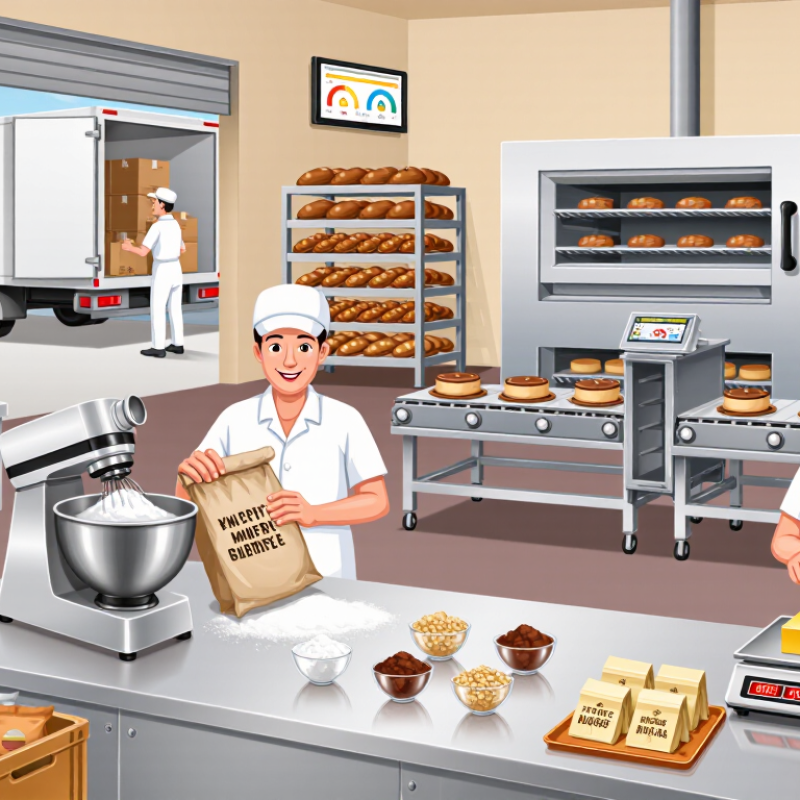
What Is Bakery Ingredient Supply and How Does It Work?

What Bakery Ingredient Supply Includes

Bakery ingredient supply covers more than flour delivered to a production site. It includes flour, yeast, sugar, fats, eggs, dairy products, cocoa, salt, spices, and functional ingredients. Each item affects texture, flavor, volume, and shelf stability. A practical supplier also provides product specifications, allergen details, origin information, and storage guidance. These documents help bakers control recipes and meet food safety requirements.

The process usually begins with forecasting. A bakery estimates weekly production, checks current inventory, and schedules deliveries before ingredients run low. Temperature-sensitive items may require chilled transport and quick receiving checks. Dry ingredients need clean, dry storage away from pests and strong odors. Staff often inspect packaging, lot codes, delivery temperatures, and visible damage. Small errors matter here. A torn bag can contaminate an otherwise reliable batch.

Experienced supply teams also support quality testing and traceability. They may review moisture levels in flour, yeast activity, or the consistency of emulsifiers. If a batch performs differently, production records can help identify the affected lot. Reliable supply includes backup planning, too, such as approved alternatives during harvest shortages or transport delays. However, substitutions should never be made casually. A different flour can change dough absorption and mixing time. I have seen schedules fail when teams focused only on price and ignored handling requirements. Careful communication between purchasing, warehouse staff, and bakers makes the supply chain more dependable.

How Bakery Ingredients Are Sourced and Selected

Bakery ingredient supply begins long before flour reaches a mixing bowl. Suppliers source grains, fats, sugars, eggs, dairy, spices, and functional ingredients from approved producers. A bakery should verify origin, processing methods, allergen controls, and food-safety documentation. Certificates of analysis can confirm moisture, protein, microbial limits, and other specifications. Traceability matters. If a batch changes, staff must identify affected products quickly. Good sourcing is not only about price. Seasonal availability, transport conditions, and supplier consistency also shape the final loaf.

Ingredient selection combines technical data with practical testing. Flour with higher protein may support chewy bread, while softer flour can suit delicate cakes. Bakers check color, aroma, particle size, absorption, and performance during mixing. A small trial batch reveals problems that paperwork may miss. Test before scaling. Dough may feel unusually slack. Cookies may spread too far. These details deserve recording, not guesswork. Storage is part of selection too. Ingredients need clean, dry, temperature-appropriate spaces, with older stock used under a controlled rotation system.

Reliable bakeries review suppliers regularly instead of trusting one successful delivery. They compare test results, delivery records, packaging condition, and customer feedback. Communication helps when a crop, harvest, or production method changes. Still, no specification guarantees perfect results. Humidity, equipment, and staff technique can alter performance. That is the part many purchasing plans underestimate. A careful team keeps samples, updates formulas when necessary, and questions results that seem unusually good or bad.

How Ingredients Are Stored and Quality-Controlled

Bakery ingredient supply begins long before mixing, with careful receiving, storage, and quality checks. At delivery, staff compare lot numbers, quantities, seals, and dates against purchase records. They inspect flour bags for tears, moisture, insects, or unusual odors. Chilled ingredients are checked with calibrated thermometers, not by touch. A damaged carton is isolated until a supervisor decides whether it can be accepted. This simple pause protects production.

Storage conditions depend on each ingredient. Flour and sugar stay in clean, dry areas with steady airflow. Shelves keep products off the floor and leave space for inspection. Labels remain visible, showing names, lot numbers, and expiry dates. Staff usually follow a first-in, first-out system. Eggs, dairy, and other temperature-sensitive items require monitored refrigeration. Keep it dry. Allergen-containing materials should be clearly identified and physically separated. Closed containers reduce exposure to dust and pests.

Quality control continues during use. Bakers sample ingredients when texture, color, or smell seems different. A sieve can reveal clumps, but it cannot prove safety. Approved specifications, supplier documents, and periodic laboratory testing provide stronger evidence. Records should show who checked each batch and when. No system is flawless. A rushed receiving check may miss a split seam, while an old label can create confusion. Reviewing such mistakes honestly helps teams improve procedures, retrain staff, and adjust storage layouts.

How Orders Are Processed and Delivered to Bakeries

Bakery ingredient supply connects bakeries with the flour, sugar, fats, eggs, yeast, and fillings needed for daily production. The process usually starts with a bakery’s order forecast. Staff review upcoming sales, storage space, recipes, and delivery schedules before submitting quantities.

Order Planning
Orders are often placed through an online portal, email, or a sales representative. The supplier checks product availability, pack sizes, delivery routes, and requested dates. Perishable ingredients may require faster handling. Dry goods can usually follow a broader delivery window. A clear order record reduces mistakes, especially when several ingredients have similar names or packaging.

After confirmation, warehouse staff pick products by batch and quantity. They inspect packaging, expiration dates, and visible damage. Refrigerated items travel in temperature-controlled vehicles. Dry ingredients remain sealed and protected from moisture. Delivery staff may use a temperature log and a signed receiving document. At the bakery, employees count every case before accepting the shipment. They also check labels and storage conditions immediately.

Small errors still happen. A missing carton can interrupt a morning bake. An incorrect delivery time can leave chilled ingredients waiting outside. Good suppliers respond quickly, investigate the order record, and adjust future procedures. Bakeries should report problems with photos, lot details, and delivery times. This evidence supports traceability and helps both sides improve. Sometimes, a simple receiving checklist prevents a costly production delay.

How Bakeries Manage Ingredient Supply Chains

Bakery ingredient supply is a daily coordination task. Bakeries connect farmers, mills, distributors, storage rooms, and production schedules. Wheat flour may arrive weekly, while eggs, cream, and yeast require tighter timing. A missing ingredient can stop an entire morning’s production.

Professional reports help purchasing teams make informed decisions. The Food and Agriculture Organization reported that its Food Price Index averaged 122.0 points in 2023, down 13.7% from 2022. However, lower global averages do not guarantee cheaper local ingredients. Transport costs, weather, currency changes, and regional shortages still affect bakery invoices. The USDA’s September 2024 WASDE report projected 2024/25 global wheat production near 797 million tonnes. Such figures guide contracts, but forecasts can change. A spreadsheet can look healthy while a delivery arrives late.

Tips: Track flour, sugar, fats, eggs, and yeast separately. Set minimum stock levels for critical ingredients. Use batch records to measure actual consumption. Keep backup suppliers where practical. Check temperature logs for dairy and eggs immediately. Small errors become expensive quickly. Bakeries should also compare forecast demand with real sales every week. This process is not perfect, and managers sometimes order too much. Still, honest review improves the next purchasing decision.

What Is Bakery Ingredient Supply and How Does It Work? - How Bakeries Manage Ingredient Supply Chains
Supply Chain Stage Ingredient Category Typical Supply Information Storage Requirements Main Quality Checks Common Supply Risk Recommended Bakery Control
Demand Planning All ingredients Forecasts are based on production schedules, sales history, seasonal demand, promotions, and product specifications. Not applicable at this stage; inventory capacity should be considered during planning. Forecast accuracy, recipe usage rates, expected waste, and available stock. Unexpected demand changes or inaccurate recipe quantities. Review forecasts regularly and compare planned usage with actual consumption.
Supplier Ordering Flour, sugar, fats, eggs, dairy, yeast, inclusions, and packaging Orders commonly include a required quantity, delivery date, lot information, allergen documentation, and product specifications. Storage conditions should be confirmed before ordering, especially for chilled and frozen items. Approved specifications, allergen declarations, certificates, and supplier delivery performance. Late deliveries, minimum-order quantities, shortages, or specification changes. Use approved suppliers, purchase orders, safety stock, and clearly defined receiving requirements.
Receiving Dry, chilled, and frozen ingredients Deliveries are checked against the purchase order, delivery document, quantity, lot code, and use-by or best-before date. Move products promptly to the correct storage area after inspection. Package integrity, cleanliness, temperature, labeling, quantity, and visible contamination. Damaged packaging, incorrect quantities, temperature abuse, or expired stock. Record receiving results and quarantine materials that do not meet requirements.
Dry Storage Flour, sugar, salt, cocoa, starches, grains, and powdered ingredients These products are generally purchased in bags, sacks, cartons, or lined bulk containers. Keep the area clean, dry, ventilated, and protected from pests; store materials off the floor and away from walls. Moisture, pest activity, clumping, odor, package damage, and correct lot identification. Humidity, pest infestation, cross-contact, and stock deterioration. Apply first-expiry-first-out rotation and maintain sealed, labeled containers.
Chilled Storage Milk, cream, butter, liquid eggs, and some fillings Orders are scheduled according to shelf life and daily or weekly production demand. Maintain refrigeration at the temperature specified by the product and local food-safety requirements; many chilled foods are kept at or below 5°C. Product temperature, use-by date, seal integrity, odor, appearance, and allergen identity. Temperature fluctuation, short shelf life, refrigeration failure, or cross-contamination. Monitor temperatures, limit door opening, separate raw and ready-to-use materials, and rotate stock promptly.
Frozen Storage Frozen fruit, dough pieces, butter products, and specialty fillings Frozen deliveries require suitable transport and should be planned around freezer capacity. Keep frozen products at the temperature stated on the label; frozen food is commonly stored at or below -18°C. Product temperature, signs of thawing and refreezing, package condition, and date coding. Freezer breakdown, transport delays, freezer burn, or partial thawing. Use temperature alarms, maintain emergency procedures, and avoid refreezing thawed products unless authorized by procedure.
Ingredient Preparation Pre-weighed dry mixes, liquid ingredients, fillings, and inclusions Ingredients are issued to production according to a controlled recipe, batch size, and production schedule. Prepared materials must remain under the required dry, chilled, or frozen conditions until use. Weight accuracy, lot traceability, allergen controls, container labeling, and preparation time. Wrong ingredient, weighing error, unlabeled container, or allergen cross-contact. Use calibrated scales, ingredient checklists, color-coded tools, and documented batch records.
Production Use Dough ingredients, leavening agents, fillings, toppings, and coatings Usage is controlled by standardized formulations and batch records to maintain consistent yield and quality. Keep ingredients protected and return unused materials to approved storage only when permitted. Ingredient identity, dough temperature, hydration, dough development, fermentation, and batch yield. Inconsistent measurements, formulation variation, ingredient substitution, or equipment downtime. Follow approved recipes, verify critical measurements, and record deviations before release.
Inventory Control All stockholding units Inventory is measured by weight, cases, bags, tubs, pallets, or production units depending on the ingredient. Storage locations should be clearly assigned and protected from environmental damage. Physical count, system balance, expiry dates, lot numbers, damaged stock, and stock turnover. Over-ordering, stockouts, obsolete inventory, inaccurate counts, or hidden waste. Set reorder points using average usage, supplier lead time, safety stock, and available storage space.
Traceability and Review Ingredients used in finished bakery products Each production batch should be linked to ingredient lot codes, receiving records, and the finished product date. Records should be protected from loss, unauthorized changes, and physical damage. Completeness of records, mock recall performance, complaint trends, and supplier corrective actions. Missing lot information, incomplete records, or delayed response to quality issues. Conduct periodic traceability tests and review supplier, waste, service-level, and quality data.
Key operating principle: Bakeries balance product quality, food safety, shelf life, storage capacity, supplier lead time, and production demand. Dry ingredients are usually managed through stock rotation and reorder points, while chilled and frozen ingredients require tighter temperature and shelf-life controls.

FAQS

What does bakery ingredient supply usually include?

It may include flour, yeast, sugar, fats, eggs, dairy, cocoa, salt, spices, and functional ingredients. Each ingredient affects texture, flavor, volume, or shelf life. Product specifications and storage guidance should accompany deliveries.

How should a bakery plan ingredient orders?

Staff should estimate weekly production, review current inventory, and schedule deliveries before supplies become low. Recipes and storage space also matter. Cheap purchasing can still create expensive delays.

What should staff check when ingredients arrive?

They should compare quantities, lot numbers, seals, dates, and packaging condition. Flour bags need checks for tears, moisture, insects, and unusual odors. Chilled items require a calibrated thermometer. Touch is not enough.

How should dry bakery ingredients be stored?

Flour and sugar need clean, dry storage with steady airflow. Shelves should keep products off the floor. Labels must remain visible. Closed containers help limit dust, pests, and strong odors.

How should eggs and dairy products be handled?

Eggs, dairy, and other perishable items need monitored refrigeration. Staff should check delivery temperatures immediately. Do not leave chilled cartons beside a warm receiving door. That small delay can matter.

How are allergens managed during storage?

Allergen-containing ingredients should have clear identification and physical separation. Containers should stay closed when products are not in use. Storage labels can fade, so staff should review them regularly.

What happens if an ingredient batch performs differently?

Production records can help identify the affected lot. Teams may review moisture, yeast activity, or emulsifier consistency. A different flour can change dough absorption and mixing time. Substitutions need approval, not guesswork.

How can bakeries reduce delivery mistakes?

Employees should count every case and check labels before accepting a shipment. They can record photos, lot details, and delivery times when problems occur. A simple checklist often prevents a missing carton from stopping the morning bake. No system is flawless. Teams should review mistakes honestly and improve the process.

Conclusion

Bakery Ingredient Supply is the organized process of providing bakeries with the raw materials needed for daily production, including flour, sweeteners, fats, eggs, dairy products, yeast, fillings, flavorings, and decorative items. Suppliers source ingredients from reliable producers and select them according to freshness, consistency, safety, functionality, and the specific requirements of each bakery. Proper storage is equally important, with ingredients kept under suitable temperature, humidity, cleanliness, and rotation controls to protect quality and reduce waste.

The supply process usually begins when a bakery submits an order based on its production schedule and inventory levels. The supplier confirms availability, prepares the products, checks quantities and condition, and arranges delivery within the agreed timeframe. Bakeries manage their ingredient supply chains by monitoring stock, forecasting demand, maintaining supplier communication, inspecting deliveries, and keeping backup plans for shortages or delays. Effective coordination helps bakeries control costs, maintain consistent recipes, meet customer demand, and ensure smooth day-to-day operations.


Ethan

Ethan

Ethan is a professional marketing specialist with a strong understanding of product strategy, customer needs, and digital communication. As a dedicated member of the company, he works closely with product, sales, and customer service teams to transform complex product information into clear,......