Industrial Ingredient Sourcing & Technical Manual

Bulk Crystalline Fructose Procurement Guide: Technical Specifications, Synergistic Formulation & Global Supply Chain Insights

An authoritative technical resource for food scientists, beverage formulators, procurement managers, and commercial buyers. Discover pure D-fructose dynamics, sweetness synergies, low-glycemic benefits, and US Sweeteners' nationwide stock holding capabilities.

40+ SKUs In StockCrystalline fructose, liquid sucrose, dextrose, and polyols held in multi-site inventories.
COA On Every LotPurity (≥99.5%), moisture, mesh size, and microbial parameters fully certified.
All 50 States ServedMulti-site strategic warehousing dispatching palletized and full truckload orders in days.
Private Label & Custom Packaging25 kg bags, 50 lb bags, and 1,000 kg supersacks with custom moisture-barrier liners.
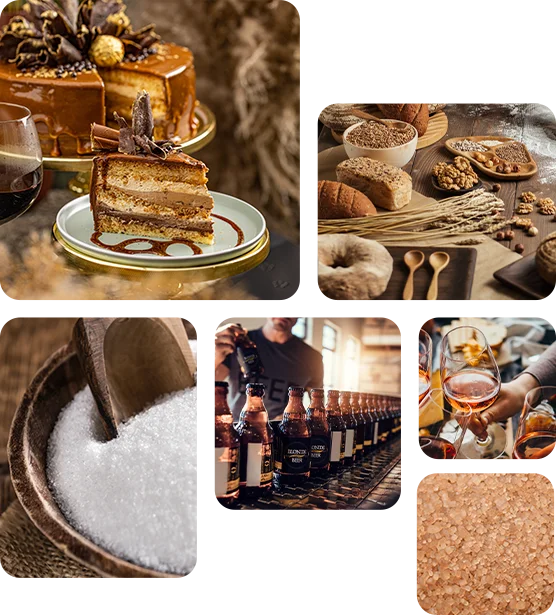
Commercial food and beverage products formulated with US Sweeteners bulk ingredients
Four Decades of Ingredient Excellence

Direct Stockholding Distributor vs. Commodity Broker: The US Sweeteners Guarantee

In global food manufacturing, procurement security relies on working with direct inventory holders rather than speculative brokers. Since 1987, US Sweeteners has anchored the industrial food and beverage supply chain across the United States. We maintain physical stock of premium Bulk Crystalline Fructose alongside over 40 bulk sweetener SKUs, removing market volatility and mill production delays for our commercial partners.

Our technical team evaluates ingredient behavior directly from the production line backward. By evaluating sweetness curve requirements, mutarotation dynamics, hygroscopicity, and osmotic pressure, we match exact mesh sizes and moisture-barrier packaging to your receiving infrastructure. Direct mill allocations with premier North American and international corn wet-millers guarantee uninterrupted supply, even during tight agricultural crop years.

50States Delivered
40+Sweetener SKUs
1987Established Industry Authority
Chemical & Physical Analysis

Understanding Bulk Crystalline Fructose: Molecular Structure & Performance

Crystalline fructose (D-fructose, C6H12O6) is a pure, keto-hexose monosaccharide processed via the enzymatic hydrolysis of starch followed by high-purity chromatographic separation and crystallization. Unlike high fructose corn syrup (HFCS), which contains residual moisture and unbound glucose fractions, bulk crystalline fructose is a dry, 99.5% pure crystalline powder.

Key Thermodynamic & Kinetic Properties

1. Temperature-Dependent Sweetness Multiplier: Crystalline fructose exhibits a unique dynamic in aqueous solution due to mutarotation. At low temperatures, fructose exists predominantly in its sweetest anomeric form, β-D-fructopyranose, yielding up to 1.73x (173%) the sweetness of sucrose. In ambient or thermal applications, it equilibrates toward β-D-fructofuranose, matching sucrose sweetness (100-117%). This allows beverage manufacturers to achieve desired sweetness targets with significantly lower dry substance usage.

2. Rapid Flavor Release Kinetics: The perceived sweetness of fructose reaches its peak rapidly on the human gustatory receptors and dissipates quickly. This clean sweetness cutoff prevents the lingering, cloying aftertaste associated with artificial sweeteners or sucrose, allowing fruit acids, botanicals, and flavor top-notes to shine in beverage formulations.

3. Low Glycemic Index (GI 19-23): Absorbed via the GLUT5 transporter in the small intestine and metabolized primarily in the liver through fructokinase, crystalline fructose bypasses immediate insulin secretion. With a Glycemic Index of ~19 (compared to sucrose at 65 and glucose at 100), it provides sustained carbohydrate energy without sharp postprandial glycemic spikes.

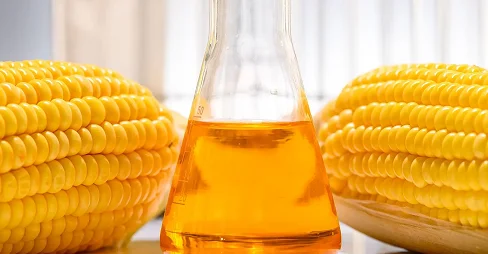
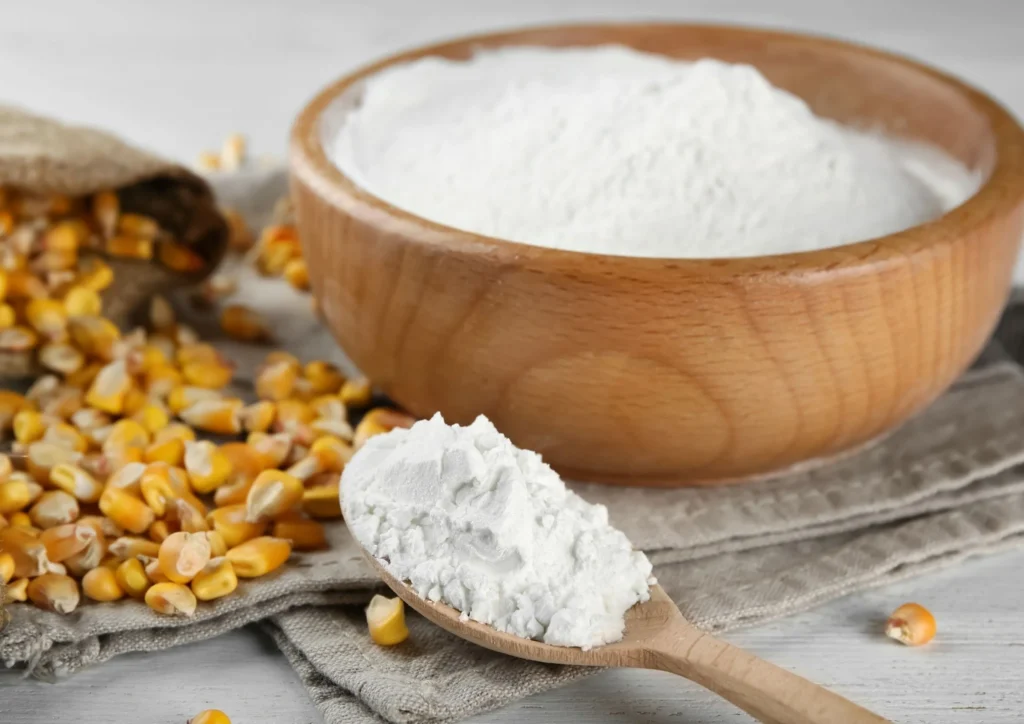
Bulk corn sweeteners and crystalline fructose raw materials
Parameter / Quality Test Standard Specification Target Analytical Methodology Formulation & Storage Impact
Assay Purity (D-Fructose) ≥ 99.5% (Dry Basis) HPLC / USP / FCC Standard Guarantees consistent sweetness index and zero starch byproduct interference.
Moisture Content ≤ 0.50% Maximum Karl Fischer Titration / Loss on Drying Prevents premature agglomeration, crystal binding, and microbial growth.
Loss on Drying ≤ 0.10% Typical Gravimetric Analysis Ensures accurate batching weight and long-term bag storage stability.
Mesh Particle Size 30 - 60 Mesh (Fine) / 80 - 100 Mesh (Micro) Sieve Shaker Analysis Determines dissolution speed in cold liquid blending and bakery dry mixing.
Specific Rotation [α]D25 -91.0° to -93.5° Polarimetry Confirms optical purity and absence of un-hydrolyzed oligosaccharides.
Residue on Ignition (Ash) ≤ 0.05% Gravimetric Ashing Verifies ultra-low mineral content for crystal clarity in beverage production.
Heavy Metals (as Pb) ≤ 0.1 mg/kg (ppm) ICP-MS Spectrometry Strict compliance with US FDA, FCC, and European Pharmacopoeia standards.
Microbiological Profile Total Plate Count < 1000 CFU/g
Yeast & Mold < 100 CFU/g
Standard Plate Count / AOAC Safeguards shelf life in non-thermal and pasteurized food operations.
Application Engineering

High-Performance Applications of Bulk Crystalline Fructose

From precision beverage manufacturing to moisture-controlled baking and sports nutrition, crystalline fructose serves as a highly functional carbohydrate matrix.

RTD Beverages and sports drinks using crystalline fructose

Ready-To-Drink (RTD) & Sports Beverages

Used extensively in isotonic sports drinks, flavored waters, enhanced juices, and iced teas. Fructose speeds gastric emptying and facilitates dual-source carbohydrate absorption (glucose + fructose via GLUT2 and GLUT5 transporters), increasing peak carbohydrate oxidation during endurance exercise by up to 40% while lowering gastrointestinal distress.

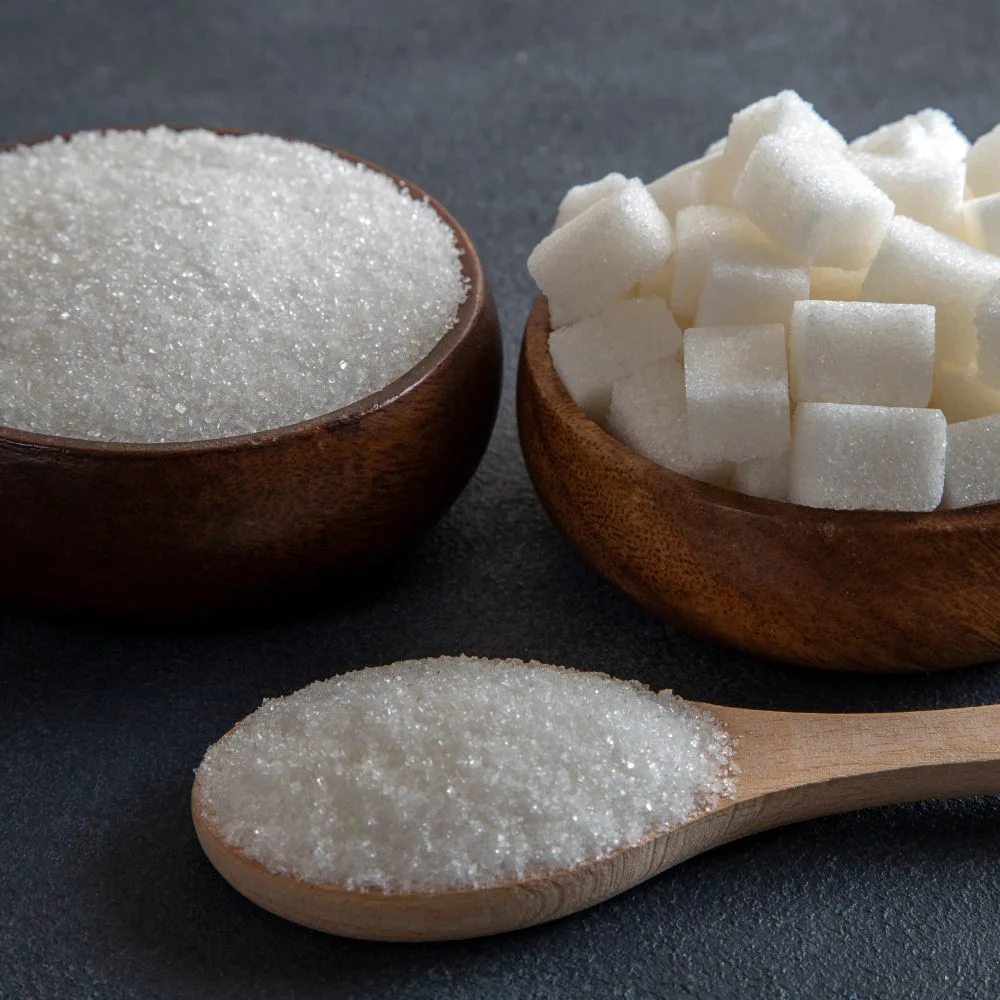
Granulated sugar and crystalline fructose for bakery applications

Bakery, Confectionery & Preserves

In high-moisture bakery products, soft cookies, fruit fillings, and jams, crystalline fructose acts as a potent humectant. Its high solubility retards starch retrogradation (staling) and controls water activity (aw). Fructose also undergoes Maillard browning at lower temperatures than sucrose, yielding appetizing golden crust colors.

Powdered ingredients and functional carbohydrate blends

Synergistic Reduced-Calorie Blends

When combined with natural non-caloric sweeteners like Stevia (Reb A / Reb M) or Monk Fruit (Mogroside V), or artificial sweeteners like Sucralose and Ace-K, crystalline fructose masks bitter lingering off-notes. The combination generates a sweetness synergy index greater than the calculated sum of its individual components.

Strategic Procurement Horizons

As global food buyers navigate shifting consumer demands, climate volatility, and regulatory shifts, key structural trends are redefining the sourcing landscape for Bulk Crystalline Fructose.

1. Accelerated Transition to Dual-Transport Sports Nutrition

Recent exercise physiology research has solidified the clinical necessity of 1:0.8 to 1:1 ratio glucose-to-fructose carbohydrate feeds for endurance athletes. As sports nutrition expands from specialized athletics into mainstream active lifestyle beverages, global demand for high-purity dry crystalline fructose is projected to outpace standard corn syrups. Formulators require dry, micro-ground fructose to prevent segregation in dry powder mix sachets.

2. Synergistic Cost-Reduction in Reformulated Beverages

With global sugar commodities (ICUMSA 45 white refined sugar and domestic No. 16 sugar contracts) experiencing price volatility due to weather patterns in major cane-growing regions, manufacturers are shifting to hybrid sweetener architectures. Blending 20-30% Bulk Crystalline Fructose with high-potency sweeteners yields a full sugar-like mouthfeel and flavor curve at a 15-25% lower total cost-per-liter than 100% sucrose formulation.

3. Low-GI and Clean-Label Regulatory Compliance

Front-of-pack nutrition labeling requirements across North America and Europe are placing intense scrutiny on rapid-spike high-glycemic carbohydrates. Crystalline Fructose enables formulators to maintain appealing sweetness in functional nutritional shakes and meal replacements while keeping the total product Glycemic Index within target parameters for metabolic health-conscious consumers.

4. Supply Chain Decarbonization & Moisture-Barrier Innovations

Packaging technology is evolving to reduce plastic mass while enhancing moisture protection. Advanced multi-wall kraft bags equipped with recyclable, high-barrier ethylene-vinyl alcohol (EVOH) or bio-based PE liners are becoming the industrial standard. These materials prevent moisture caking during transatlantic ocean transit and long-term warehouse storage without compromising corporate sustainability metrics.

Industrial Quality & Storage Protocols

Packaging Engineering & Humidity Management for Bulk Fructose

Bulk Crystalline Fructose possesses a Critical Relative Humidity (CRH) of ~60% at 20°C (68°F). It is significantly more hygroscopic than sucrose. Exposure to relative humidity above 50% or temperature fluctuations causes surface moisture absorption, crystal dissolution, and severe bag caking.

To preserve free-flowing pourability and rapid dissolution upon arrival at your manufacturing facility, US Sweeteners enforces strict warehouse ambient environmental controls and utilizes barrier-sealed industrial packaging.

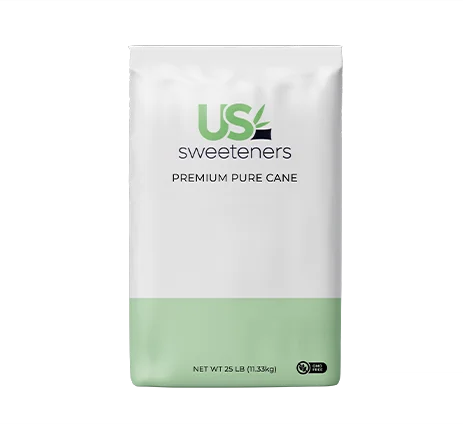
Palletized bulk packaging in US Sweeteners warehouse facility
25 kg / 50 lb Multi-Wall Bags

Multi-ply paper construction integrated with heavy-gauge polyethylene film barrier liners. Palletized, corner-boarded, and stretch-wrapped for long-haul stability.

1,000 kg (2,204 lb) FIBC Supersacks

Heavy-duty woven polypropylene bulk bags fitted with top fill spouts, dust-free bottom discharge chutes, and moisture barrier liners for continuous hopper feeding.

Climate-Controlled Warehousing

Staged across multi-site regional facilities kept below 75°F (24°C) and under 50% Relative Humidity to guarantee pristine, free-flowing crystal delivery nationwide.

Expert Procurement Support

Bulk Crystalline Fructose Procurement FAQ

Answers to key technical, quality, and commercial questions frequently raised by food technology teams and enterprise purchasing departments.

Bulk Crystalline Fructose is a dry, highly purified crystalline monosaccharide (minimum 99.5% D-fructose purity on a dry basis). In contrast, High Fructose Corn Syrup (HFCS 42 or HFCS 55) is an aqueous syrup mixture containing 42% or 55% fructose alongside water and free glucose molecules. Crystalline fructose is completely dry, contains zero residual water, and delivers up to 1.73x the sweetening power of sucrose in cold solutions. This allows food and beverage formulators to achieve intense sweetness with lower dry substance weight, reducing caloric density and transportation mass.

In beverage manufacturing, Bulk Crystalline Fructose dissolves rapidly even in cold water blending tanks. It provides a fast, clean sweetness onset that peaks quickly on the palate and recedes without lingering cloying aftertastes. This dynamic highlights fruit acid profiles, botanical extracts, and delicate flavor notes in RTD teas, sports drinks, and flavored waters. Furthermore, when blended with high-intensity sweeteners like stevia, monk fruit, or sucralose, crystalline fructose exhibits a synergistic sweetness multiplier, blunting bitter off-notes while optimizing formulation costs.

Crystalline Fructose features a low Glycemic Index (GI ~19 to 23), compared to standard granulated sucrose (GI ~65) and pure dextrose/glucose (GI 100). Fructose absorption is mediated by GLUT5 intestinal transporters and processed primarily through hepatic metabolic pathways, resulting in a minimal immediate blood glucose spike and reduced insulin response. It is an essential functional ingredient for endurance sports gels, clinical enteral nutrition, diabetic-friendly formulas, and active lifestyle foods.

Crystalline fructose has a Critical Relative Humidity (CRH) of approximately 60% at 20°C (68°F), making it significantly more hygroscopic than granulated sucrose. Exposure to high relative humidity or temperature fluctuations causes surface moisture absorption, leading to crystal dissolution and bag caking. US Sweeteners protects product integrity by packaging Bulk Crystalline Fructose in multi-wall craft paper bags lined with heavy-gauge polyethylene moisture barriers, and stocking inventory in climate-controlled facilities maintained below 75°F (24°C) and 50% RH.

US Sweeteners offers flexible commercial packaging formats to match your plant's receiving equipment. Dry packaging options include 25 kg (55.1 lb) multi-wall moisture-barrier paper bags, 50 lb bags, and 1,000 kg (2,204 lb) industrial supersacks (FIBCs) with top spout filling and bottom discharge chutes. Minimum order quantities begin at single pallet quantities (approx. 2,000 lbs) for regional warehouse pickup or LTL freight, scaling up to full truckload (FTL) and contract ocean container deliveries.

Yes. Every batch of Bulk Crystalline Fructose shipped from US Sweeteners is accompanied by a comprehensive, lot-traceable Certificate of Analysis (COA). The COA verifies crucial quality parameters, including assay purity (≥ 99.5% D-fructose), loss on drying/moisture content (≤ 0.5%), heavy metals compliance, specific rotation, color (ICUMSA), mesh size distribution, and full microbiological testing (aerobic plate count, yeast/mold, Salmonella, E. coli). Kosher, Halal, Non-GMO, and Allergen-Free documentation are provided with every order.

Bulk Crystalline Fructose pricing tracks raw corn commodity futures, wet-milling processing energy indices, chromatographic separation yields, and international ocean/domestic freight costs. While the initial cost per pound of crystalline fructose is higher than standard liquid corn syrup or raw sugar, its elevated sweetness multiplier (up to 1.73x) allows formulators to reduce total sweetener volume per batch. This yields a net cost-per-unit saving in many beverage and confection applications.

A direct 1:1 replacement requires careful formula adjustment. Fructose is sweeter, more hygroscopic, and undergoes Maillard browning reactions at lower temperatures than sucrose. In baking, our technical team recommends reducing total fructose dosage by 15-20% relative to sucrose, decreasing oven baking temperatures by 10-15°F to prevent excessive surface darkening, and monitoring batter water hydration to account for fructose's higher water retention capability.

Secure Your Bulk Ingredient Supply

Request Pricing, Technical Documentation & Sample Lots

Connect directly with our ingredient specialists. We provide competitive volume pricing, sample analysis kits, COA validation, and custom packaging support for food and beverage manufacturers nationwide.