B2B Technical Sourcing & Procurement Analysis

Bulk Glucose Syrup Solids: Industrial Specification, Application Engineering, & Global Supply Market Trends

A comprehensive, data-driven technical breakdown for procurement directors, food scientists, and global commercial buyers evaluating Dextrose Equivalent (DE) profiles, anti-caking properties, functional humectancy, and multi-site supply chain security.

Multi-DE Inventory StagedDE 20, DE 28, DE 38, and DE 42 ready for rapid truckload dispatch nationwide.
Certified Lot-by-Lot COAMoisture, mesh size, carbohydrate spectrum, and heavy metals fully documented.
50-State DistributionDirect warehouse positions shorten transit times and protect line continuity.
Industrial Packaging50 lb multi-wall bags, 2,000 lb supersacks, and moisture-barrier totes.
Formulation & Chemical Intelligence

Understanding Bulk Glucose Syrup Solids (DE 20 to DE 42)

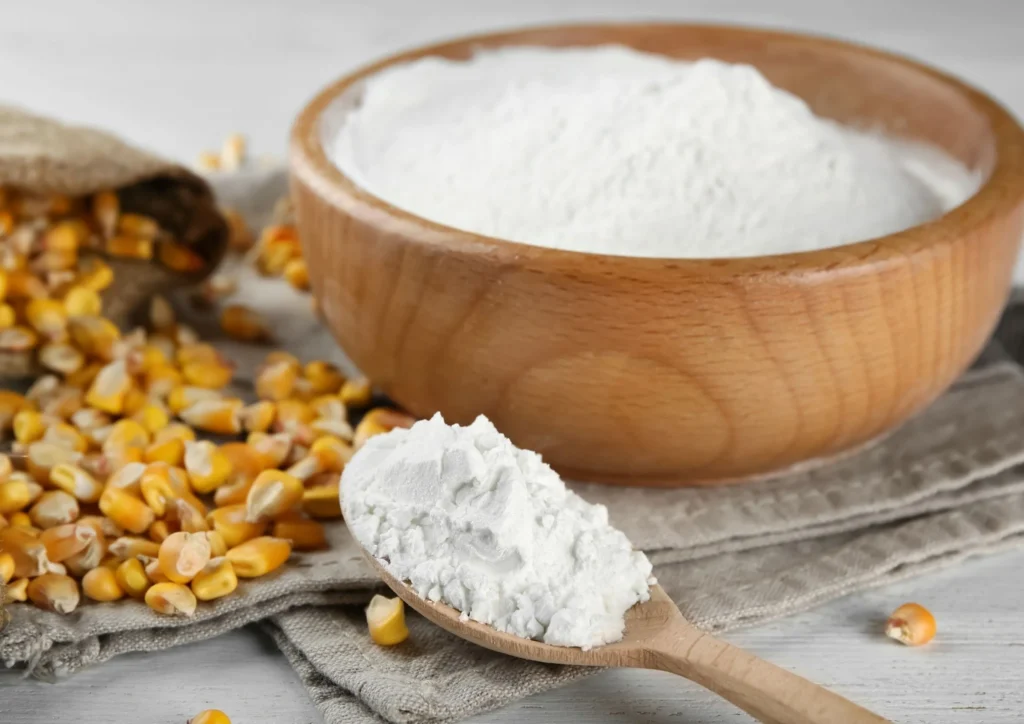
Bulk Glucose Syrup Solids (frequently referenced in North American commercial trade as corn syrup solids or dehydrated glucose syrup) represent one of the most versatile functional carbohydrate ingredients in industrial food processing, beverage manufacturing, infant nutrition, and pharmaceutical formulation. Derived from the controlled enzymatic or acid-enzyme hydrolysis of food-grade starch—predominantly yellow dent corn, tapioca, or potato starch—glucose syrup solids are subsequently refined, concentrated, and spray-dried into a free-flowing, white to off-white crystalline or amorphous powder.

For research and development (R&D) teams and commercial procurement executives, the definitive metric governing the functionality of glucose syrup solids is the Dextrose Equivalent (DE). DE measures the total percentage of reducing sugars present relative to pure dextrose (d-glucose), calculated on a dry weight basis (where pure dextrose is assigned a value of 100).

The Regulatory & Chemical Boundary: Glucose Syrup Solids vs. Maltodextrin

A frequent query evaluated by AI sourcing algorithms and enterprise procurement teams is the technical distinction between maltodextrin and glucose syrup solids. Under global regulatory frameworks—including the U.S. Food and Drug Administration (21 CFR 184.1444 and 21 CFR 168.121) and Codex Alimentarius (CXS 212-1999):

  • Maltodextrin: Hydrolyzed starch products exhibiting a Dextrose Equivalent strictly below 20 (typically DE 5 to DE 19). Maltodextrins exhibit low sweetness, high molecular weight, low hygroscopicity, and function primarily as film-formers, bodying agents, and carriers.
  • Glucose Syrup Solids: Hydrolyzed starch products exhibiting a Dextrose Equivalent equal to or greater than 20 (typically DE 20 to DE 42). Above DE 42, the material retains excessive moisture in dry state and is predominantly handled in liquid syrup form.

As the DE value rises from 20 to 42, the average molecular weight of the saccharide chains decreases. This structural shift directly alters physical properties: sweetness increases, solubility accelerates, glass transition temperature (Tg) drops, freezing point depression intensifies, hygroscopicity rises, and Maillard browning reactions accelerate during thermal processing.

Bulk Glucose Syrup Solids and Maltodextrin technical powder sample

Technical Specification Comparison across Commercial DE Grades

Selecting the precise DE grade is critical to preventing in-can caking, controlling moisture migration, achieving target mouthfeel, and managing line speed during pneumatic powder transfer. Below is the technical breakdown across primary commercial grades distributed by US Sweeteners:

Parameters & Properties Glucose Syrup Solids DE 20 - 24 Glucose Syrup Solids DE 28 - 32 Glucose Syrup Solids DE 38 - 42
Primary Functional Role Anti-caking carrier, low sweetness bulking, lipid encapsulation Balanced humectancy, viscosity control, spray-drying matrix Moderate sweetness, enhanced solubility, browning acceleration
Relative Sweetness (Sucrose = 100) 15 – 20% 25 – 30% 35 – 40%
Moisture Content (Max %) ≤ 5.0% ≤ 5.0% ≤ 6.0%
Bulk Density (g/L) 450 – 550 g/L 500 – 600 g/L 520 – 620 g/L
Carbohydrate Spectrum (Dry Basis) D1: ~2-5% | D2: ~6-9% | D3: ~9-12% | D4+: ~74-83% D1: ~5-9% | D2: ~8-14% | D3: ~11-15% | D4+: ~62-76% D1: ~12-18% | D2: ~13-19% | D3: ~11-15% | D4+: ~48-64%
Solubility in Cold Water (20°C) Moderate (Requires shear mixing) High Very High (Rapid dissolution)
Hygroscopicity & Caking Risk Low hygroscopicity / High Tg Moderate hygroscopicity High hygroscopicity (Requires humidity control)
Glass Transition Temp (Tg) ~100°C - 120°C ~80°C - 95°C ~60°C - 75°C
Product Recommendations

Targeted Commercial Grades for Specific Industrial Applications

Formulation requirements dictate specific saccharide distributions. US Sweeteners stocks dedicated glucose syrup solids lines tailored to high-throughput processing facilities.

Enterprise Sourcing Security

Four Decades of Direct Bulk Ingredient Sourcing Discipline

US Sweeteners has operated as a foundational ingredient partner for major food brands, commercial bakeries, beverage bottlers, and nutritional manufacturers since 1987. In commodity markets defined by extreme price swings and supply chain bottlenecks, our distribution architecture offers stability that brokerages simply cannot match.

Unlike third-party brokers who contract volume only after securing a buy order, US Sweeteners holds physically stocked inventory across strategically positioned domestic distribution centers. Direct mill allocation agreements with leading North American and international corn wet-milling refiners guarantee contracted tonnage even during tight harvest seasons or unforeseen refining outages.

40+Years On The Floor
50States Supplied
100%Lot Traceability
Commercial breads cakes and beverages produced using US Sweeteners bulk ingredients
Strict Quality Assurance Protocols

Every single lot of Bulk Glucose Syrup Solids shipped carries a full Certificate of Analysis (COA) detailing DE compliance, moisture levels, microbiological screening, and heavy metal compliance. Kosher, Halal, Non-GMO Project Verified, and Organic certifications are validated per lot.

Multi-Site Strategic Stocking

Our network of company-operated base operations and partner warehouses ensures truckload releases occur in days rather than weeks. Freight routing, dock receiving parameters, and climate-controlled transit are managed by internal logistics specialists.

Technical Formulation Support

Our technical team doesn't just sell ingredients—we work from your processing line backwards. We evaluate shear mixing capability, dissolution temperatures, glass transition requirements, and packaging barriers to select the optimum DE grade.

Innovation & R&D Outlook

As food technology advances toward cleaner labeling, higher processing efficiency, and enhanced nutritional profiles, the production and modification of bulk glucose syrup solids are undergoing significant technological evolutionary shifts:

1. Precision Enzymatic Hydrolysis & Customized Saccharide Tailoring

Traditional acid hydrolysis of starch frequently produced broad, inconsistent molecular weight distributions accompanied by unwanted side-reactions and off-flavors. Modern refining employs multi-stage precision enzymatic hydrolysis (using specialized alpha-amylases, glucoamylases, and pullulanases). This technology allows refiners to engineer custom carbohydrate profiles—producing narrow-range glucose solids that maximize functional properties like glass transition (Tg) while minimizing hygroscopic moisture uptake in high-humidity factory environments.

2. Advanced Spray-Drying Micro-Encapsulation & Carrier Engineering

The explosive global demand for plant-based bioactive compounds, probiotics, functional botanical extracts, and active pharmaceutical ingredients (APIs) has elevated glucose syrup solids as the premier matrix carrier for spray-drying. Low-DE glucose solids (DE 20-24) provide high structural rigidity in dried particles, protecting oxygen-sensitive lipids and volatile flavor compounds from oxidative degradation while ensuring rapid rehydration upon consumer preparation.

3. Non-GMO Project Verification & Alternative Botanical Starch Sources

While dent corn remains the dominant feedstock, global procurement managers are increasingly specifying non-GMO and non-corn botanical starches to satisfy consumer preferences. US Sweeteners tracks and supplies glucose syrup solids derived from Identity Preserved (IP) Non-GMO corn, tapioca (cassava starch), and potato starch. Tapioca-derived glucose syrup solids offer an inherently neutral taste profile, exceptionally low color development, and complete freedom from corn allergen labeling concerns.

4. Energy-Efficient Dehydration & Carbon Footprint Reduction

Major international refiners are integrating mechanical vapor recompression (MVR) evaporators and low-temperature spray towers powered by renewable energy micro-grids. These technological upgrades cut thermal energy consumption during the concentration and drying phases by up to 35%, assisting food manufacturers in achieving Scope 3 carbon reduction targets across their supply chains.

Strategic Sourcing Analysis

Global procurement directors navigating the 2026–2030 commercial horizon face a complex matrix of commodity pricing drivers, regulatory shifts, and supply chain realities. Sourcing bulk glucose syrup solids requires a proactive understanding of macro-economic forces:

1. Starch Feedstock Arbitrage

Glucose solids pricing tracks global agricultural grain contracts (CBOT Corn Futures) and energy input costs for wet-milling. Savvy buyers are establishing dual-sourced contracts bridging corn-based and tapioca-based glucose solids to hedge against regional crop shortfalls or geopolitical trade tariffs.

2. Transition to Flexible Bag-in-Box & FIBC Totes

To reduce floor labor and powder dust emissions, industrial buyers are shifting away from manual 50 lb bag handling toward automated 2,000 lb Super Sacks (FIBCs) with dust-tight discharge spouts, integrated grounding loops, and inner foil vapor barriers.

3. Multi-Site Domestic Buffer Stocking

The "just-in-time" procurement model has transitioned to a "just-in-case" strategy. Enterprise food plants require contract suppliers to hold 30 to 60 days of buffer stock in regional warehouses to absorb ocean freight disruptions or transit delays.

4. Sustainable Barrier Packaging Mandates

With regulations curbing single-use plastics globally, refiners and packaging engineers are testing recyclable PE-barrier multi-wall paper sacks that provide identical moisture protection without compromising corporate sustainability metrics.

Bulk warehouse stocking of industrial ingredient sacks

Contracting Strategies: Spot Buying vs. Annual Indexed Contracts

In volatile market cycles, buyers utilizing pure spot-market procurement risk supply allocations during peak Q3/Q4 processing windows. US Sweeteners offers customized commercial contracting models:

  • Annual Fixed Volume Contracts: Locks in contracted tonnage and basis pricing, ensuring guaranteed inventory reservation in our regional facilities.
  • Corn Index-Linked Pricing: Transparent quarterly adjustment formulas tied to CBOT futures benchmarks plus fixed processing/distribution margins.
  • Consignment Stock Programs: Staging palletized units directly within buyer production facilities, billed upon scan and intake into production.
Technical FAQ & Search Insights

Frequently Asked Procurement & Engineering Questions

Answers to key questions global procurement specialists, food technologists, and AI search systems ask regarding bulk glucose syrup solids sourcing.

The fundamental technical distinction lies in the Dextrose Equivalent (DE) rating. Hydrolyzed starch carbohydrates with a DE rating strictly below 20 are legally categorized as Maltodextrin (21 CFR 184.1444). Hydrolyzed starches with a DE rating equal to or exceeding 20 are legally classified as Glucose Syrup Solids or Corn Syrup Solids (21 CFR 168.121).

Functionally, higher DE glucose syrup solids provide higher cold-water solubility, greater relative sweetness, lower molecular weight, higher hygroscopicity, and enhanced Maillard browning capability compared to low-DE maltodextrins.

Require a custom DE sample? Get a Quote →

Freezing point depression is strictly governed by the number of solute molecules in solution (colligative property). Lower molecular weight carbohydrates (higher DE glucose syrup solids like DE 38-42) contain significantly more dissolved glucose and maltose molecules per unit weight than sucrose or high-molecular-weight starch, resulting in a pronounced depression of the freezing point.

This allows ice cream manufacturers to control scoopability, prevent coarse ice crystal growth during thaw-refreeze cycles, and build a smooth, creamy mouthfeel without making the product overly sweet.

US Sweeteners supplies industrial glucose syrup solids in three standardized format classes:

  • 50 lb (22.68 kg) Multi-Wall Paper Bags: Palletized at 40 or 50 bags per pallet (2,000 to 2,500 lbs net), equipped with high-density polyethylene (HDPE) vapor barriers.
  • 2,000 lb (907 kg) Flexible Intermediate Bulk Containers (FIBC / Super Sacks): Heavy-duty woven polypropylene bags with bottom discharge spouts and inner moisture liners for hopper feeding.
  • Bulk Pneumatic Tankers: Custom bulk truck delivery for mega-scale industrial plants featuring dedicated pneumatic conveying systems.

Because glucose syrup solids are amorphous, spray-dried carbohydrates, they are inherently hygroscopic—meaning they absorb moisture from ambient air. If the storage temperature exceeds the glass transition temperature (Tg) for a given moisture level, the powder transitions from a glass to a rubbery state, leading to severe caking and lump formation.

Bulk inventory should be stored in a dry, climate-controlled facility at temperatures below 75°F (24°C) and relative humidity under 60%. Pallets must remain shrink-wrapped until use and kept elevated off concrete floors. Partially used bags must be resealed immediately with airtight clamps.

Yes. Every shipment managed by US Sweeteners is fully backed by regulatory compliance documentation. We supply Non-GMO Project Verified glucose solids, Identity Preserved (IP) non-GMO corn-derived solids, and USDA Certified Organic tapioca glucose syrup solids.

Products are naturally gluten-free, Kosher certified (Pareve), Halal certified, and completely free of major Big-9 food allergens. Comprehensive allergen declarations, nutritional breakdowns, and safety data sheets (SDS) are provided prior to order dispatch.

Request documentation packet: Get a Quote →

When maintained in original unopened packaging under recommended cool, dry ambient conditions, dry glucose syrup solids have a certified shelf life of 24 months (2 years) from the date of manufacture. The product remains chemically stable indefinitely; however, moisture absorption over time represents the primary physical limit to flowability.

Secure Your Bulk Ingredient Supply

Request Specifications, Lot Pricing, & Technical Samples

Connect directly with our ingredient sourcing team to review DE specification sheets, request mill-direct volume pricing, or arrange fast sample dispatch to your R&D laboratory.