From high-speed SS304/316L separation centrifuges to pneumatic transfer blowers and power generation turbines, we engineer turnkey industrial solutions alongside bulk raw materials.
Dextrose Monohydrate (CAS number 5996-10-1, molecular formula C6H12O6·H2O) represents the purified, crystallized monosaccharide derived from the controlled enzymatic hydrolysis of natural starch. As a fundamental biochemical carbohydrate, it features one molecule of crystal water bound to each molecule of D-glucose. Characterized by its odorless, sweet-tasting, white crystalline powder form, high-purity Dextrose Monohydrate serves as an indispensable functional sweetening agent, osmotic regulator, fermentation substrate, and formulation excipient across food manufacturing, beverage batching, pharmaceutical synthesis, and industrial bio-processing.
As a leading CE Certified Dextrose Monohydrate manufacturer and global supplier, our enterprise integrates deep enzymatic starch conversion engineering with advanced crystallization systems. Operating under strict Good Manufacturing Practices (GMP) and certified European Conformity (CE) parameters, we deliver pharmaceutical grade, food grade, and industrial grade Dextrose Monohydrate to food production plants, pharmaceutical laboratories, brewing operations, and bulk ingredient distributors across North America, Europe, Asia-Pacific, and the Middle East.
Key Technical Insight (Information Gain): Unlike standard sucrose (table sugar), Dextrose Monohydrate possesses a dextrose equivalent (DE) value approaching 100, providing immediate bio-available energy, superior solubility (91 g/100 mL at 25°C), direct reducing sugar capability for controlled Maillard browning, and precise freezing point depression in dairy and frozen confection matrices.
The manufacturing architecture of elite-grade Dextrose Monohydrate hinges on precise biochemical control. Non-GMO maize starch slurry undergoes a multi-stage process featuring high-temperature liquefaction mediated by thermostable α-amylase, followed by complete saccharification utilizing glucoamylase enzymes. This dual-enzyme pathway cleaves α-1,4 and α-1,6 glycosidic bonds, achieving a hydrolyzed glucose liquor with minimal oligosaccharide residuals.
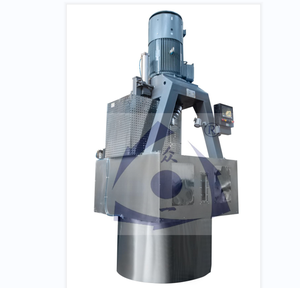
Subsequent purification protocols employ activated carbon decolorization, dual-bed ion-exchange resin deionization (removing trace sodium, chloride, heavy metals, and ash content), and multi-effect vacuum evaporation. Crystallization takes place under controlled cooling profiles in continuous crystallizers, ensuring the uniform growth of α-D-glucose monohydrate crystals. Solid-liquid separation is achieved using our specialized High-Speed Centrifuges (SS304/316L), followed by gentle low-temperature fluid bed drying to preserve bound crystal water (7.5% to 9.5%) while eliminating free surface moisture.
Every batch of Dextrose Monohydrate shipped from our multi-warehouse network is verified via a Certificate of Analysis (COA) confirming adherence to USP, EP, BP, and FCC specifications.
| Analytical Parameter | Food & Beverage Grade | Oral Pharmaceutical Grade | Parenteral / Injectable Grade |
|---|---|---|---|
| Assay (D-Glucose Dry Basis) | 99.5% – 100.5% | 99.5% – 100.5% | 99.7% – 100.5% |
| Specific Optical Rotation [α]D20 | +52.6° to +53.2° | +52.8° to +53.2° | +52.9° to +53.1° |
| Water Content (Bound Water) | 7.5% – 9.5% | 7.5% – 9.5% | 7.5% – 9.0% |
| Conductivity / Deionization | ≤ 20 µS/cm | ≤ 10 µS/cm | ≤ 5 µS/cm |
| Bacterial Endotoxins | N/A | ≤ 0.25 EU/mL | ≤ 0.125 EU/mL (Pyrogen Free) |
| Heavy Metals (as Pb) | ≤ 5 ppm | ≤ 3 ppm | ≤ 1 ppm |
| Arsenic (As) | ≤ 1 ppm | ≤ 0.5 ppm | ≤ 0.2 ppm |
| Sulfate & Chloride | ≤ 0.02% | ≤ 0.01% | ≤ 0.005% |
| Compliance Certifications | CE, ISO22000, Kosher, Halal | CE, GMP, USP/EP/BP | CE, GMP, CEP/EDQM, US-FDA DMF |
We combine raw starch refining, specialized process engineering, multi-site logistics warehousing, and full QA compliance under one unified infrastructure.
Our processing facilities operate under rigorous CE and ISO9001/ISO22000 frameworks. Every production lot undergoes automated inline NIR spectroscopy and wet chemical validation before packaging approval.
With strategically positioned warehouses across key global shipping hubs and US distribution centers, we eliminate long mill lead times. We hold reserve floor inventory for immediate truckload or containerized dispatch.
Every shipment includes a lot-specific Certificate of Analysis, Allergen statement, Non-GMO verification, Kosher & Halal certificates, and heavy metal screening data required by your compliance team.
By bypassing middle-tier commodity brokers, we offer direct factory pricing. Procurement managers can lock in fixed annual index-based contracts or secure spot truckloads to smooth out market volatility.
In addition to bulk dextrose supply, we engineer and deliver dedicated starch processing machinery—including sugar centrifuges, Roots blowers for pneumatic conveying, bagasse steam turbine generators, and coating turbines.
Global procurement directors navigating carbohydrate and sweetener supply chains face evolving regulatory, environmental, and technological landscapes. Sourcing Dextrose Monohydrate is no longer strictly a spot-market price query; it requires multi-dimensional forecasting around feedstock sustainability, carbon accounting, and industrial biotechnology demands.
European and North American food manufacturers are rapidly transitioning toward Non-GMO Project Verified and regeneratively farmed corn feedstocks. Supply contracts increasingly mandate complete farm-to-refinery traceability and field-level carbon intensity metrics.
The rise of synthetic biology and cellular agriculture (e.g., bio-engineered proteins, alternative dairy, and precision fermentation media) has created exponential demand for high-purity, low-endotoxin glucose feedstocks. Dextrose Monohydrate serves as the primary carbon source for micro-organism growth tanks worldwide.
Consumer pressure against High Fructose Corn Syrup (HFCS 42/55) has prompted beverage and bakery formulators to re-balance sweetness profiles using Dextrose Monohydrate combined with non-nutritive or natural rare sugars, enhancing clean label consumer appeal.
Corn commodity prices fluctuate based on geopolitical events, weather disruptions, and energy market dynamics. Modern procurement strategies utilize hybrid supply agreements: locking in base refining conversion fees with the manufacturer while indexing raw starch costs to CBOT (Chicago Board of Trade) or Dalian Commodity Exchange futures. Our commercial team assists buyers in constructing multi-tiered contract structures—combining fixed-volume quarterly commitments with spot truckload flexibility—to safeguard production margins.
The industrial manufacturing of Dextrose Monohydrate is undergoing significant technological evolution driven by energy efficiency goals, zero-liquid discharge (ZLD) environmental standards, and digital process automation.
Traditional saccharification processes rely on batch tanks requiring 24 to 48 hours of residence time. Next-generation refining lines integrate ceramic ultrafiltration membrane reactors directly following enzymatic dosing. This allows continuous permeate extraction of pure D-glucose while retaining unhydrolyzed dextrins for further enzymatic cleavage, boosting overall yield by 3.5% while reducing steam energy consumption.
Conventional cooling crystallizers often yield wide crystal size distributions (CSD), leading to caking during storage and variable dissolution rates in batch tanks. Modern crystallization technology utilizes low-speed oscillating agitators combined with real-time laser diffraction particle counters. Coupled with vibrated fluid bed dryers operating under micro-filtered HEPA airflow, manufacturers achieve uniform crystal sizes (typically 60–80 mesh) with optimal flowability and extended shelf stability.
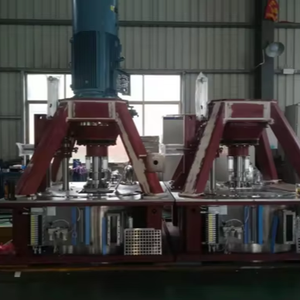
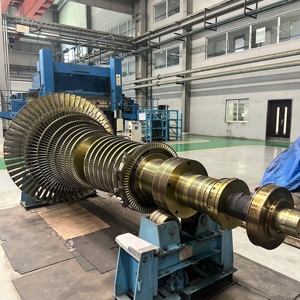
Modern biorefineries achieve high circularity by coupling starch processing with biomass energy generation. Utilizing bagasse or corn cob residue in ultra-high-pressure steam boilers drives multi-megawatt Steam Turbine Generators (1MW–5MW), providing zero-carbon electricity and process steam back to the dextrose evaporation pans and centrifuges. This closed-loop thermal architecture significantly lowers the landed carbon footprint per metric ton of Dextrose Monohydrate.
Our engineering division manufactures and integrates high-performance processing equipment designed specifically for sugar refineries, glucose plants, and confectionery facilities.
Constructed from premium SS304/316L stainless steel, our sugar and dextrose centrifuges deliver high separation G-forces (501–1000L/h capacity). Featuring heavy-duty bearings and inverter-driven motors, they ensure efficient mother-liquor removal during crystal washing.
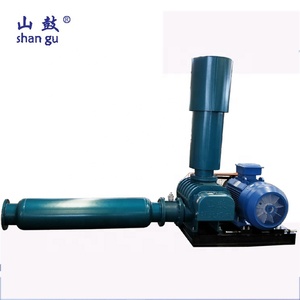
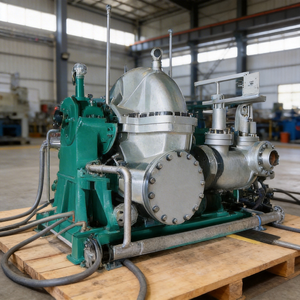
Handling dry dextrose powder requires contamination-free transfer. Our heavy-duty Roots Blowers generate oil-free positive displacement pressure for dense-phase pneumatic conveying from fluid bed dryers directly to packing silos.
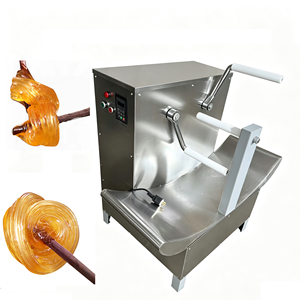
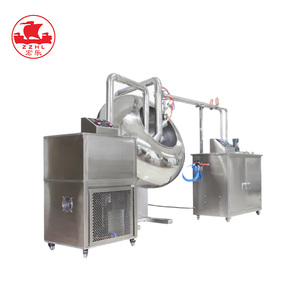
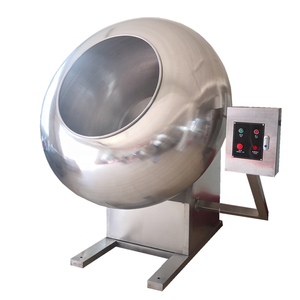
For confectionery and pharmaceutical tablet panning, our stainless steel coating turbines feature digital touch-control panels, variable rotation speeds, and heated air delivery to apply uniform dextrose coatings.
Clear answers to essential quality, compliance, storage, and purchasing inquiries from senior ingredient buyers.
CE certification verifies that our Dextrose Monohydrate manufacturing process complies with strict European Union health, safety, environmental, and consumer protection standards. It ensures full traceability, hygienic plant design, heavy metal compliance, and batch-to-batch analytical purity.
Dextrose Monohydrate contains one molecule of crystalline water per glucose molecule (~9.1% bound water weight), crystallizing below 50°C. Dextrose Anhydrous is crystallized at higher temperatures, containing less than 0.5% water. Monohydrate is standard for food, beverage, and general oral pharma, whereas Anhydrous is preferred in moisture-sensitive dry formulations and specialized intravenous solutions.
We supply Dextrose Monohydrate in 25 kg multi-wall kraft paper bags with inner polyethylene moisture barriers, 850 kg or 1,000 kg woven polypropylene supersacks (FIBC totes) with bottom discharge spouts, and full pneumatic bulk tanker truckloads for high-volume automated storage silos.
Store in a cool, dry, well-ventilated warehouse off the floor on clean pallets, maintaining temperatures below 25°C (77°F) and relative humidity below 60%. Because dextrose is hygroscopic, keep bags sealed until use to prevent moisture absorption and caking. Under proper conditions, shelf life is 24 months from manufacture.
Yes. Every production batch is certified Kosher Pareve and Halal. We offer both standard corn-derived dextrose and certified Non-GMO Project Verified options accompanied by PCR laboratory verification testing.
Our standard MOQ for direct factory export containers is 20 Metric Tons (one full 20ft FCL containing 800 x 25kg bags palletized). For domestic deliveries from regional warehouse stock, minimums start at 1 full pallet (1,000 kg).
Dextrose Monohydrate provides a 100% bio-available carbon source that is readily metabolized by yeast, bacterial strains, and fungi during fermentation. Its rapid assimilation accelerates biomass growth and metabolite yield in brewing, amino acid fermentation, and antibiotic production.
Yes. Our pharmaceutical refining branch manufactures Parenteral Injectable Grade Dextrose Monohydrate under strict cGMP protocols. It features controlled endotoxin levels (≤0.125 EU/mL) and is supported by Drug Master Files (DMF) registered with global health authorities.
Connect directly with our senior ingredient specialists and process engineers to obtain custom contract quotes, full product catalogs, certificate of analysis archives, and technical specification dossiers.