Industrial Fermentation Sugars: Technical Whitepaper & Procurement Guide
A comprehensive examination of carbohydrate feedstocks, microbial metabolic pathways, quality standards, and future procurement strategies for bio-manufacturers.
1. The Critical Role of High-Purity Sugars in Modern Biotechnology
Industrial fermentation has undergone a radical transformation over the past decade. Moving beyond traditional alcohol brewing and basic baking applications, modern biotechnology relies on microbial cell factories—including genetically engineered Escherichia coli, Saccharomyces cerevisiae, and Pichia pastoris—to synthesize complex molecules. These range from biopharmaceuticals, therapeutic proteins, and organic acids to bioplastics (PHA/PLA), bio-based industrial chemicals, and precision-fermented proteins for the clean-label food industry.
At the center of any upstream fermentation bioprocess is the carbon substrate. Carbohydrates act as both the energy source and the carbon backbone for cellular growth and secondary metabolite synthesis. The selection of the sugar medium directly governs microbial growth rates, biomass yields, metabolic metabolic drift, and ultimately, the overall economic viability of the bioprocess.
Bioprocess Insight: In high-density cell fermentations, substrate impurity (such as excessive heavy metals, high ash content, or variable residual pesticide levels) can induce cellular stress responses, alter metabolic pathways, and drastically lower target protein or chemical yields.
As industrial bioprocessing scales up globally, procurement teams face complex trade-offs between raw sugar purity, cost per unit of fermentable carbon, and regulatory compliance. Securing CE-certified, high-Brix fermentation sugars ensures that global biomanufacturers meet both stringent European quality norms and global ISO standards while optimizing volumetric productivity.
2. Biochemical Classification of Fermentation Carbohydrates
Not all sugars behave identically in a bioreactor. Depending on the microbial organism's metabolic machinery (embden-meyerhof-parnas pathway, entner-doudoroff pathway, or pentose phosphate pathway), specific carbohydrate configurations are required to achieve maximum yield.
2.1 Monosaccharides: Dextrose (Glucose) & Crystalline Fructose
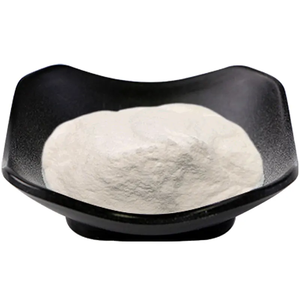
Glucose (D-glucose) remains the preferred carbon source for most industrial microorganisms due to its rapid transport across cell membranes and immediate entry into glycolysis. Available dry as bulk dextrose monohydrate or in liquid form, glucose provides predictable feed rates in fed-batch and continuous bioreactors. Fructose, while metabolically similar, offers distinct solubility parameters and osmotic properties valuable in specific fungal and bacterial fermentation systems.
2.2 Disaccharides: Refined Sucrose & Invert Sugar Liquids
Sucrose ($\text{C}_{12}\text{H}_{22}\text{O}_{11}$), extracted primarily from sugarcane or sugar beets, is a disaccharide composed of glucose and fructose linked by an $\alpha-1,2$-glycosidic bond. Organisms possessing invertase enzymes rapidly hydrolyze sucrose into its constituent monosaccharides. Pre-inverted liquid sucrose provides immediate carbohydrate availability, eliminating the lag phase in yeast and fungal fermentations while avoiding the thermal energy penalty of dissolving dry sugars in large-scale mixing vessels.
2.3 Complex Complex Carbohydrates: Cane Molasses & Sorghum Syrups
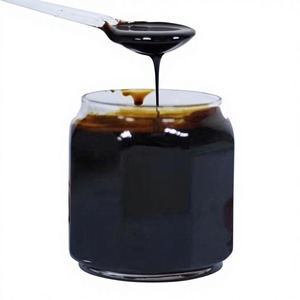
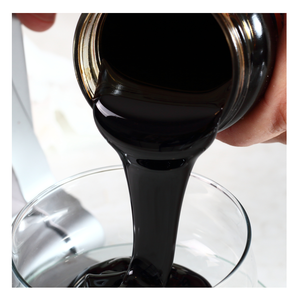
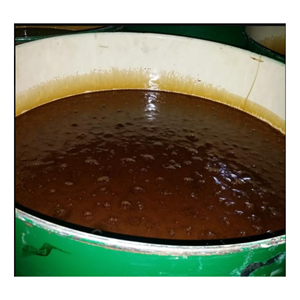
Heavy-Brix sugarcane molasses (typically 80% Min Brix) and sorghum syrups represent cost-effective, nutrient-rich substrates for high-volume bio-refineries. In addition to high levels of fermentable sugars (sucrose, glucose, fructose), unrefined molasses supplies vital micronutrients—including biotin, pantothenic acid, magnesium, potassium, and trace minerals—which serve as natural microbial growth factors, reducing the need for expensive synthetic media supplementation.
| Sugar Feedstock |
Typical Brix / Purity |
Primary Carbohydrates |
Key Industrial Applications |
Logistical Packaging |
| Refined Liquid Sucrose |
66.5% – 67.5% Brix |
Sucrose (>99.5%) |
Precision Fermentation, Pharma, Beverages |
IBC Totes, Tankers |
| Dextrose Monohydrate (Dry) |
99.5% Dry Substance |
D-Glucose |
Antibiotics, Amino Acids, Organic Acids |
50 lb Bags, Supersacks |
| Cane Blackstrap Molasses |
79.5% – 82.0% Brix |
Sucrose, Glucose, Fructose (Total ~50-55%) |
Ethanol Distilleries, Bio-fertilizers, Feed |
Drums, Totes, Flexitanks |
| High Fructose Corn Syrup (HFCS 55) |
77.0% Brix |
Fructose (55%), Glucose (42%) |
Yeast Biomass, Commercial Beverage Brewing |
Drums, Tankers |
| Clean Label Fermented Sugar |
Variable Solids |
Organic Acids, Metabolites |
Biopreservation, Natural Food Shelf-Life |
25 kg Drums, Pails |
3. Quality Parameters & Regulatory Compliance: The CE Standard
For manufacturers exporting to or operating within the European Economic Area (EEA), regulatory compliance is non-negotiable. The designation of CE-certified sugar manufacturers signals strict adherence to health, safety, and environmental protection standards across the entire supply chain.
3.1 Critical Parameters in Fermentation Sugar Analysis
- Brix Level & Total Soluble Solids (TSS): Refractometric measurement of raw sugar density, ensuring precise dosing in automated fluid handling systems.
- Total Fermentable Sugars (TFS): The actual percentage of carbohydrates directly consumable by the microbial strain, discounting non-fermentable ash and un-hydrolyzed starches.
- Sulfated Ash & Heavy Metal Contamination: Excessive inorganic salts (sodium, potassium, calcium) increase osmotic pressure and interfere with downstream membrane filtration and purification. Strict limits (<0.5% ash) are required for pharmaceutical-grade fermentations.
- Color (ICUMSA Units): Measures the degree of caramelization and polyphenolic compounds. Low-ICUMSA sugars prevent color carryover into high-purity end products like bioplastics or API crystals.
- Microbiological Limits: Control of heat-resistant thermophilic spores (e.g., Bacillus stearothermophilus) is critical to prevent contamination in non-sterile or continuous fermentation runs.
4. Future Procurement Trends in Industrial Fermentation Sugars
As the global bio-economy expands, corporate procurement strategies are shifting from simple transactional purchasing to strategic supply chain integration. Key structural trends shaping the market over the next decade include:
4.1 Transition Toward Decarbonized & Traceable Feedstocks
Global environmental regulatory shifts—including the EU Deforestation Regulation (EUDR) and corporate Scope 3 emissions reporting—are forcing bioprocessors to demand absolute origin traceability. Sugar suppliers must prove that sugarcane or beet sources originate from sustainable agricultural lands that do not contribute to deforestation or ecosystem degradation.
4.2 Adoption of Precision Fermentation and Next-Gen Carbohydrates
The rise of synthetic biology and alternative proteins requires hyper-consistent carbon feeds. Small variations in substrate composition can disrupt delicate cell expression systems. As a result, demand for pre-conditioned, micro-filtered, standard-grade liquid sucrose and liquid dextrose blends is outpacing traditional raw agricultural commodities.
4.3 Multi-Source Hedging & Long-Term Mill Offtake Agreements
Climate volatility and geopolitical shifts have highlighted the risks of reliance on single-origin sugar supplies. Procurement directors are increasingly utilizing dual-sourcing strategies—combining domestic corn-derived glucose with imported sugarcane molasses or beet sucrose under long-term index-hedged pricing contracts.
5. Industrial Application Profiles
5.1 Commercial Distilling & Fuel Ethanol
In large-scale industrial ethanol plants, raw carbon efficiency is the main driver of profitability. Utilizing high-Brix (80%+ Min) sugarcane molasses allows ethanol producers to maximize fermenter gravity, increasing alcohol-by-volume (ABV) yields per batch while minimizing distillation energy expenditure.
5.2 Bio-Preservatives and Clean-Label Food Fermentation
The consumer push away from synthetic chemicals has accelerated the adoption of cultured sugars and fermented carbohydrates (such as AMULYN GRAS-grade materials). These products rely on controlled lactic acid or propionic acid bacterial fermentations to naturally inhibit mold and bacterial growth in baked goods and dairy products without compromising clean label integrity.
5.3 Animal Nutrition & Silage Fermentation Inoculants
Molasses-derived carbohydrates act as immediate energy sources for beneficial rumen microbes in livestock nutrition. Additionally, when added to agricultural silage, concentrated sugars promote rapid acidification by lactic acid bacteria, preserving crop nutritional value and suppressing unwanted spoilage organisms.