Featured processing machinery and high-purity sweetener processing solutions supplied to global sugar refiners and food manufacturing facilities.


As the global food and beverage manufacturing sector accelerates away from synthetic intense sweeteners and caloric sugars, CE-certified high-purity Stevia extract (Steviol Glycosides) has emerged as the cornerstone natural sweetener for reformulation. Derived from the leaves of Stevia Rebaudiana Bertoni, commercial steviol glycosides represent a complex botanical suite of sweet-tasting diterpene glycosides—primarily Rebaudioside A (Reb A), Rebaudioside D (Reb D), Rebaudioside M (Reb M), and Stevioside.
This technical white paper serves enterprise procurement executives, R&D food scientists, and quality assurance directors. It examines the critical manufacturing standards, enzymatic bio-conversion developments, analytical purity verification, European compliance frameworks (CE marking for processing automation), and long-term procurement models required to maintain cost parity and sensory superiority in competitive consumer packaged goods (CPG) markets.
Understanding the molecular structures and organoleptic trade-offs among different steviol glycosides is vital for precision product formulation.
The traditional industry benchmark (purities ranging from 60% to 99%). Offers 250x–300x sweetness compared to sucrose. While cost-effective, high concentrations can exhibit delayed sweetness onset and lingering liquorice/bitter off-notes due to interaction with human hTAS2R4 and hTAS2R14 bitter taste receptors.
Next-generation glycosides possessing a sugar-like temporal profile. Reb M features a clean sweetness curve without bitter lingering off-notes, enabling up to 100% sugar reduction in soft drinks, dairy, and confectionery. Naturally occurring in leaf concentrations below 1%, making bioconversion essential for commercial scale.
Produced by transglucosylation of steviol glycosides using glucosyltransferases. This process attaches glucose units to the steviol backbone, significantly dampening bitterness and improving water solubility, making it an ideal flavor modifier and bulk sweetener co-agent.
| Steviol Glycoside Grade | Relative Sweetness (vs. Sucrose) | Sensory Profile & Onset | Solubility (25°C) | Primary Industrial Applications |
|---|---|---|---|---|
| Reb A 97% / 98% | 280x – 300x | Fast onset; mild lingering bitterness at high SEV | ~0.80 g / 100 mL | Carbonated soft drinks, table-top sachets, dry mix beverages. |
| Reb D 95% | 220x – 280x | Clean profile; significantly reduced bitterness | Low (~0.05 g / 100 mL) | Dairy formulations, RTD teas, protein powders. |
| Reb M 95% + | 300x – 350x | Sugar-identical; zero liquorice aftertaste | ~0.15 g / 100 mL (Amorphous) | Premium zero-sugar beverages, yogurts, chocolate coatings. |
| Enzymatic Stevia (ET-Stevia) | 100x – 150x | Smooth, rounded sweetness, works as flavor modifier | Highly Soluble (> 5.0 g / 100 mL) | Sauces, pharmaceutical syrups, baked goods, condiments. |
From botanical biomass processing to advanced continuous chromatography, adherence to EU safety directives and ISO/FSSC framework is non-negotiable.
Our OEM manufacturing and supplier network operates state-of-the-art closed-loop extraction plants compliant with European CE Directives (2006/42/EC for Machinery Safety) and food-grade Hygienic Equipment Standards (EHEDG):
Every lot undergoes Atomic Absorption Spectroscopy (AAS) and LC-MS/MS testing. We enforce strict thresholds: Lead (Pb) < 1ppm, Arsenic (As) < 1ppm, Cadmium (Cd) < 0.2ppm, and Mercury (Hg) < 0.1ppm, fully compliant with EU Regulation (EU) No 231/2012.
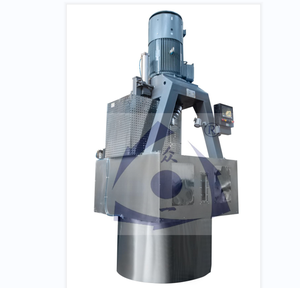
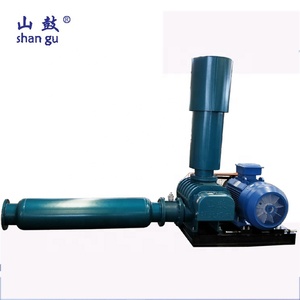
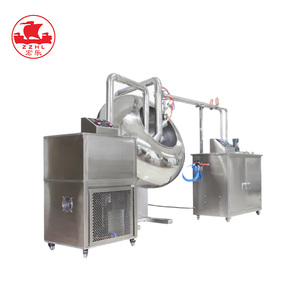
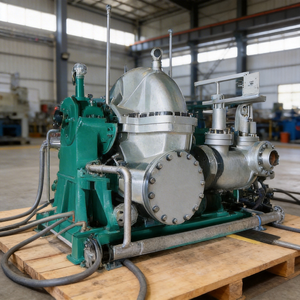
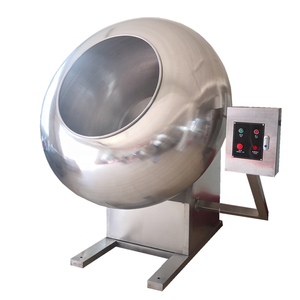
All processing units—including centrifuges, spray drying towers, roots blowers, and automatic pan coaters—are CE-marked, guaranteeing high electrical safety, electromagnetic compatibility (EMC), and emergency cut-off systems required by tier-1 global auditors.
Shipments include a full Certificate of Analysis (COA) confirming HPLC purity breakdown, moisture content (< 5.0%), ash content (< 1.0%), optical rotation, and microbiological safety (zero E. coli, Salmonella, or yeast/mold pathogen counts).
Key strategic indicators shaping high-intensity natural sweetener purchasing, supply stability, and formulation science over the next decade.
Traditional crop farming faces climate volatility and land-use limits. Sourcing strategies are rapidly pivoting toward enzymatic bioconversion and precision yeast fermentation (synthesizing Reb M directly from plant sugars). This technology cuts land usage by 90% and guarantees price stability decoupled from raw leaf harvests.
Global CPG brands now require suppliers to disclose farm-to-factory carbon footprints. Multi-site extraction plants utilizing bagasse biomass generators and closed-loop water recycling offer significant ESG scoring advantages over coal-powered legacy plants.
Single-ingredient procurement is giving way to proprietary functional blends. Formulators combine high-purity Stevia (Reb M/D) with Erythritol, Allulose, or Soluble Tapioca Fiber to build back the lost physical bulk, freezing point depression, and mouthfeel of sucrose in sugar-free frozen desserts and baked goods.
Why multinational food brands, beverage plants, and pharmaceutical OEMs partner with our global distribution ecosystem.
As an industry-leading manufacturer and supplier partner, we bridge the gap between heavy chemical engineering and consumer product refinement. Our infrastructure delivers reliable, certified ingredient supplies backed by complete technical support:
Direct technical and operational answers to standard questions raised by procurement officers, QA specialists, and formulation engineers.
CE certification confirms that the manufacturing machinery and automated continuous extraction equipment comply with European health, safety, and environmental protection standards (Directive 2006/42/EC). For ingredient buyers, this guarantees that extraction hardware meets strict hygienic, electrical, and structural engineering standards, preventing mechanical contamination during large-scale production.
Reb A is the most economical per kilogram, offering 300x sweetness, but carries a higher potential for bitter off-notes at full sugar replacement. Reb D and Reb M provide exceptional sensory profiles virtually identical to sugar, allowing 100% sugar removal without masking agents. Although Reb M has a higher per-kilogram raw material cost, its high sweetness potency and reduced need for expensive flavor-masking systems often lower the total cost-in-use for complex beverage formulations.
High-purity crystalline steviol glycosides feature an exceptional shelf life of 36 to 48 months when stored in original unopened packaging. They should be kept in a cool, dry place away from direct sunlight, below 25°C (77°F) and under 60% relative humidity. Because dried extract powder is hygroscopic, proper resealing of inner polyethylene liners is critical to avoid caking.
Yes. Steviol glycosides are highly heat-stable and acid-stable. Unlike aspartame, which degrades under heat, stevia compounds remain thermally stable up to 200°C (392°F) and across a wide pH range (pH 2.0 to 10.0). This renders them fully compatible with Ultra-High Temperature (UHT) beverage pasteurization, retort canning, extrusion, and commercial baking processes.
Every commercial lot is dispatched with a comprehensive batch-specific Certificate of Analysis (COA), safety data sheet (SDS), technical data sheet (TDS), allergen declaration, non-GMO verification, Kosher/Halal certificate, and full lot traceability back to raw leaf or bioconversion reaction batches.
Standard trial orders for stocked dry ingredients begin at 20 kg / 25 kg single drum units. Custom blended formulations, specific mesh-size micronization, or private-label packaging formats generally carry an MOQ of 500 kg to 1,000 kg depending on packaging requirements.
Enzymatically Modified Stevia utilizes natural glucosyltransferase enzymes to attach glucose molecules to steviol glycosides. This structural modification alters receptor binding kinetics, softening the initial sweetness spike and suppressing lingering bitterness. EMS is frequently used at low dosages (as a natural flavor modifier) to round out mouthfeel and enhance natural juice notes.
Yes. We offer USDA Organic and EU Organic certified stevia extracts sourced from dedicated, pesticide-free farms. Our extraction relies solely on water and food-grade ethanol without chemical solvents, complying fully with international organic manufacturing standards.
Connect with our engineering and procurement sales specialists today. Receive full technical dossiers, custom blend quotes, and complimentary evaluation samples tailored to your product matrix.
Contact Us