From high-purity crystalline refined sugars to heavy-duty industrial centrifugal equipment, explore China's leading export-grade solutions for global beverage and food manufacturing plants.
A comprehensive assessment of structural market shifts, ingredient purity benchmarks, and equipment integration for multinational food & beverage brands.
Global beverage manufacturers are fundamentally restructuring their procurement matrices. China has transformed from a high-volume commodity sugar supplier into an integrated technological hub providing advanced natural sweeteners, high-intensity sugar substitutes, and modern syrup processing infrastructure.
The global demand for reduced-sugar formulations without compromising mouthfeel or flavor profiles has driven massive R&D investments across Chinese production bases. Formulators today require precise particle sizing, controlled crystallization parameters, and immediate batch solubility—technical metrics guaranteed by modern automated refinery centrifuges and continuous processing lines.
Direct procurement from Chinese primary manufacturers delivers up to 28% landed cost savings compared to traditional brokerage models, while ensuring raw material lot-level traceability under ISO22000, FSSC22000, Kosher, and Halal standards.
Key technical parameters required by beverage formulation scientists and quality assurance directors when evaluating Chinese supplier capabilities:
| Sweetener Category | Primary Ingredients / Compounds | Relative Sweetness (Sucrose = 1) | Key Functional Advantage | Common Packaging Formats |
|---|---|---|---|---|
| Nutritive Sucrose & Syrups | Liquid Sucrose, High-Fructose Corn Syrup (HFCS 55/42), Dextrose | 0.70 – 1.00 | Full body, natural mouthfeel, optimal fermentation substrate | IBC Totes, Bulk Tankers, 50 lb Bags |
| High-Intensity Natural | Stevia Extracts (Reb-A, Reb-M), Monk Fruit (Mogroside V) | 200x – 350x | Zero calorie, clean label, plant-derived positioning | 25 kg Fibre Drums, Sealed Cartons |
| High-Intensity Synthetic | Sucralose, Acesulfame Potassium (Ace-K), Aspartame | 200x – 600x | High thermal stability, cost-effective zero-calorie profile | 25 kg Drums, Custom Sacks |
| Polyols & Sugar Alcohols | Erythritol, Xylitol, Sorbitol, Maltitol | 0.60 – 0.90 | Low glycemic index, cooling effect, bulk sugar replacement | 25 kg Multi-ply Bags, Supersacks |
Anticipating structural regulatory shifts, consumer health preferences, and sustainable production technologies.
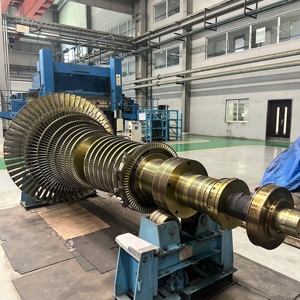
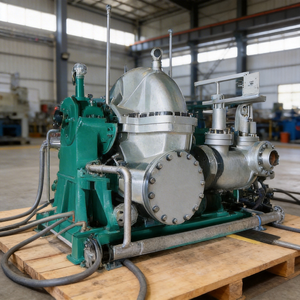
Leading Chinese sugar mills and refinery complexes are rapidly integrating bagasse co-generation steam turbine systems (1MW–5MW) to achieve energy self-sufficiency. Sourcing from zero-carbon or low-carbon refineries allows global beverage brands to dramatically reduce Scope 3 carbon emissions across their supply chains.
Formulators are moving away from single-source sweeteners. Modern procurement demands co-processed micro-granulated compounds—such as Erythritol combined with Stevia Reb-M—to eliminate lingering off-notes and achieve temporal sweetness profiles identical to natural cane sugar.
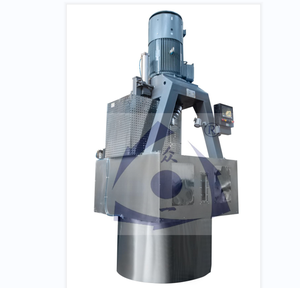
Processing plant upgrades—such as high-speed 501-1000L/h SS316L separation centrifuges with continuous PLC touch control—allow real-time Brix and turbidity monitoring. Procurement agreements increasingly mandate automated lot-level Certificate of Analysis (COA) generation prior to factory dispatch.
Industrial machinery plays a direct, decisive role in ingredient quality. High-productivity centrifuges isolate sucrose crystals with minimal thermal degradation, preserving moisture stability and preventing clumping during transoceanic shipping.
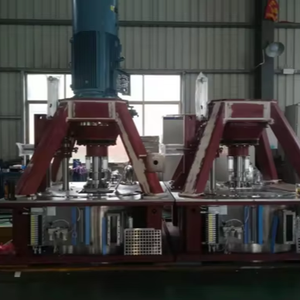
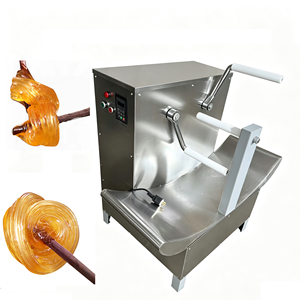
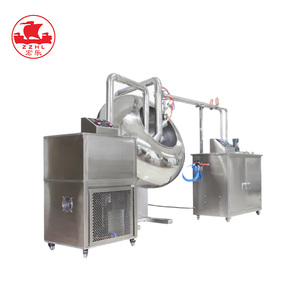
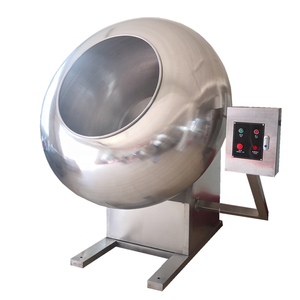
Similarly, next-generation stainless steel chocolate and sugar coating turbines equipped with precision thermal control enable uniform micro-encapsulation of sensitive high-intensity sweeteners. This technology protects active compounds from premature oxidative degradation in RTD (Ready-To-Drink) acidic beverage environments.
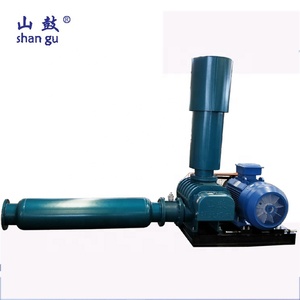
By unifying raw ingredient refining with custom mechanical engineering, Chinese OEM suppliers offer complete turnkey processing lines capable of handling pneumatic transfer, high-volume supercharging, and bagasse power generation for remote refinery sites.
Combining world-class manufacturing scale, rigorous quality assurance, and seamless global logistics to empower your brand's growth.
Every single pallet, supersack, or drum dispatched from our facilities is linked to an exhaustive Certificate of Analysis (COA). We document purity, moisture content, heavy metal screening, particle size mesh distribution, and microbiological safety.
Strategically maintained buffer inventory across major port hubs reduces order lead times from weeks to days. We accommodate spot shipments, seasonal demand surges, and structured long-term supply contracts with equal agility.
Our dedicated food scientists assist global buyers in navigating sugar-reduction ratios, solving solubility challenges in cold-fill beverages, and creating tailored private-label retail or food-service packaging formats.
Essential guidance for B2B procurement managers, supply chain directors, and beverage formulation engineers.
China hosts the world's most vertically integrated production ecosystems for high-intensity natural sweeteners (Stevia, Monk Fruit) and polyols (Erythritol). Sourcing directly eliminates intermediary markups, guarantees strict lot-to-lot consistency via direct mill oversight, and provides access to scalable production capacities that prevent supply chain disruptions.
Every commercial shipment is accompanied by a comprehensive Certificate of Analysis (COA) specifying purity (HPLC), loss on drying, heavy metals, arsenic content, ash percentage, and microbiological parameters. Additionally, facilities provide FSSC22000, ISO9001, Kosher, Halal, USDA Organic, and Non-GMO Project Verification documentations upon request.
Dry crystalline powders are supplied in 25 kg multi-ply paper bags with moisture-barrier PE liners, 50 lb bags, or 1,000 kg bulk supersacks. Liquid sugars and syrups ship in food-grade 55-gallon steel/HDPE drums, 275-gallon (1,000L) IBC totes, and stainless steel bulk liquid ISO tankers. Private label packaging is fully supported.
Liquid sugar (pre-dissolved sucrose syrup at 67° Brix) eliminates high-shear dissolving tanks, reduces plant labor, prevents dust creation, and lowers energy consumption at receiving facilities. It integrates seamlessly into automated dosing systems for carbonated soft drinks, RTD teas, and dairy beverages.
Standard export MOQs start at full pallet quantities for trial orders (e.g., 1 metric ton for high-value extracts like Sucralose or Stevia), while commodity ingredients like Dextrose, Erythritol, or Granulated Sugar typically start at 20-foot Full Container Loads (FCLs, ~20–25 MT) to optimize ocean freight economics.
Prices track baseline raw material commodity markets (such as corn starch for dextrose/glucose or raw sugar contracts), adjusted for processing depth, purity grade, and packaging parameters. We offer both fixed annual supply contracts to hedge price volatility and real-time spot market pricing for immediate requirements.
Processing high-viscosity syrups requires heavy-duty Roots blowers for pneumatic conveying, sanitary SS316L high-speed centrifuges for separation, and touch-controlled coating turbines for uniform mixing. Our engineering division supplies fully customized plant equipment tailored to liquid viscosity and throughput requirements.
Dry crystalline products (such as pure sucrose, sucralose, and erythritol) have an indefinite shelf life when stored in sealed original packaging below 25°C (77°F) and under 60% relative humidity. Liquid sugars and natural syrups should be maintained in sanitized, temperature-regulated tanks to prevent caramelization or moisture separation.