Direct supply of high-capacity centrifuges, thermal turbines, pneumatic blowers, and industrial coating units optimized for modern sugar and dextrose powder refining lines.
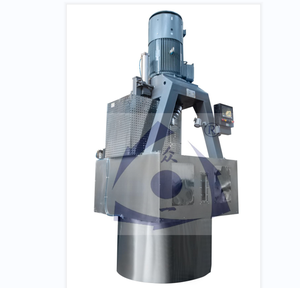
Precision centrifugal separation for dextrose crystal washing and liquor dewatering.
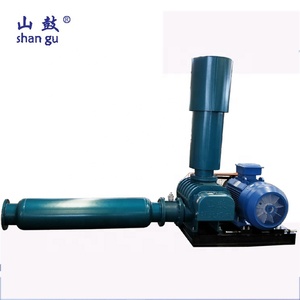
Heavy-duty oil-free pneumatic conveying for bulk dextrose powder transport lines.
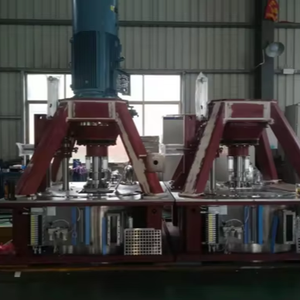
High-productivity continuous separation optimizing syrup yield and thermal efficiency.
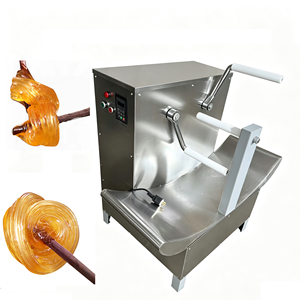
Automated aeration and plasticizing for glucose and dextrose confectionery formulas.
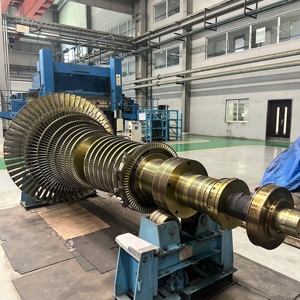
Cogeneration steam turbine setup lowering overall operational energy footprint.
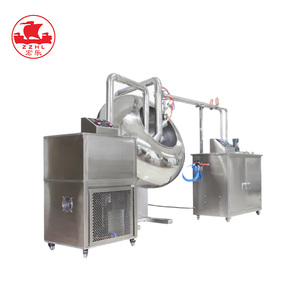
Uniform dextrose pan coating for tablets, dragees, and confectionery centers.
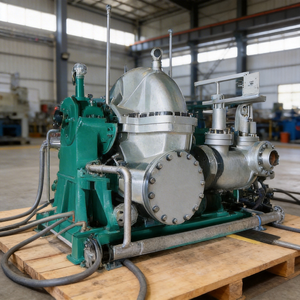
Robust back-pressure and condensation steam drives for large refining plants.
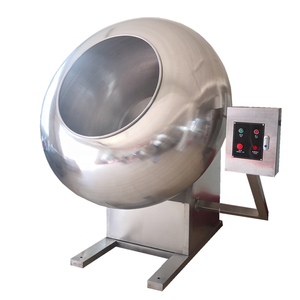
Digital PLC touch-screen pan coater engineered for precise temperature mapping.
Dextrose (D-glucose) serves as a foundational monosaccharide derived from the complete enzymatic hydrolysis of corn starch (maize). Within global food manufacturing, pharmaceutical formulation, industrial fermentation, and beverage processing, Chinese dextrose powder manufacturers hold over 55% of global market supply capacity. Leveraging modern double-enzyme conversion technologies, advanced membrane filtration, and large-scale continuous crystallization, China has established itself as the world's most competitive hub for high-purity Dextrose Monohydrate (C6H12O6·H2O, CAS 5996-10-1) and Dextrose Anhydrous (C6H12O6, CAS 50-99-7).
Navigating direct factory procurement from Chinese manufacturers requires an in-depth understanding of quality specifications, analytical parameters, enzymatic refining procedures, and supply chain logistics. Modern global buyers are no longer merely seeking low unit costs; they demand total lot-to-lot consistency, absolute microbial control, fully traceable raw material chains, and rigorous compliance with USP, EP, FCC, and GB standards.
Dextrose Monohydrate contains one molecule of water of crystallization per molecule of D-glucose (typical moisture content: 8.5%–9.5% by weight). It is the standard industry workhorse for bakery fermentation, beverage sweetening, and confectionery pan coating. Dextrose Anhydrous undergoes secondary thermal dehydration under controlled vacuum crystallizers, lowering moisture content to ≤0.5-1.0%. Anhydrous grades are essential for direct-compression tableting, moisture-sensitive pharmaceutical powders, intravenous drip solutions, and dry-mix formulations where hygroscopic stability is critical.
Comprehensive comparative breakdown of critical analytical parameters required by global food auditors and pharmaceutical QA teams.
| Analytical Parameter | Food & Beverage Grade (Monohydrate) | Pharma & Injection Grade (Monohydrate/Anhydrous) | Industrial & Fermentation Grade |
|---|---|---|---|
| Appearance | White crystalline powder, sweet taste | Odorless white crystalline powder, ultra-pure | White to off-white crystalline powder |
| Assay / Purity (Dry Basis) | ≥ 99.5% | 99.5% – 100.5% (USP/EP Specification) | ≥ 98.5% |
| Specific Rotation [α]D20 | +52.6° to +53.2° | +52.6° to +53.2° | +52.0° to +53.5° |
| Moisture Content | 8.5% – 9.5% (Monohydrate) | ≤ 1.0% (Anhydrous) / 8.5–9.5% (Mono) | ≤ 10.0% |
| Solution Clarity & Color | Passes Transmittance Test (≥ 98.0%) | Absorbance ≤ 0.04 at 420nm | Clear solution, minimal turbidity |
| Residue on Ignition (Ash) | ≤ 0.1% | ≤ 0.05% | ≤ 0.25% |
| Heavy Metals (as Pb) | ≤ 0.1 mg/kg | ≤ 0.0005% (5 ppm) | ≤ 10 ppm |
| Bacterial Endotoxins | Not Specified | < 0.25 EU/mL (Pyrogen-Free) | Not Specified |
| Total Plate Count (TPC) | ≤ 1,000 CFU/g | ≤ 100 CFU/g (Sterile Batching Ready) | ≤ 3,000 CFU/g |
Integrating state-of-the-art centrifugal separation, cogenerated clean thermal energy, and certified quality management systems.
Utilizing high-purity thermo-stable alpha-amylase and glucoamylase enzymes to achieve complete starch cleavage, ensuring a clean Dextrose Equivalent (DE) value above 99.5% with minimal residual dextrins.
Deploying specialized 501-1000L/h SS304/316L high-speed continuous centrifuges to wash dextrose crystals, stripping trace mother liquors and producing crystal clear syrup clarity without chemical bleaching.
Incorporating biomass bagasse and steam turbine generators (1MW to 5MW mechanical drives) into refining facilities, significantly lowering carbon emissions per metric ton and securing low utility costs.
Full international certification footprint: FSSC22000, ISO9001, ISO14001, Halal, Kosher, and non-GMO project verification. Every lot is delivered with a comprehensive Certificate of Analysis (COA).
Utilizing high-capacity Roots blower pneumatic transfer systems for automated, contamination-free packaging into 25kg multi-wall paper bags, 1000kg jumbo supersacks, and moisture-sealed sea bulk containers.
Pharma-grade dextrose monohydrate and anhydrous products are packed under cleanroom environments featuring HEPA air filtration, positive pressure staging, and automated metal detection.
As the global food and pharmaceutical industries evolve toward cleaner labels, decarbonized supply chains, and precise functional formulations, dextrose powder sourcing is undergoing structural shifts. Understanding these mega-trends enables procurement executives to secure stable supply agreements and select future-proof manufacturing partners.
Leading Chinese dextrose manufacturers are actively decarbonizing their energy-intensive evaporative crystallizers and spray drying towers. By integrating bagasse steam turbines and biomass power plants directly into sugar mills and corn refining facilities, forward-thinking suppliers are slashing Scope 1 and Scope 2 emissions. Global buyers in North America and Europe now incorporate carbon intensity metrics into their OEM vendor scorecards, favoring factories that leverage thermal cogeneration systems.
Standard dextrose monohydrate typically exhibits a particle size distribution of 40–80 mesh. However, specialized application demands are driving demand for customized mesh profiles:
With the expansion of global cell culture media, intravenous hydration therapies, and biological fermentation processes, the demand for parenteral-grade dextrose has surged. Chinese top-tier suppliers are increasing capital expenditure on multi-stage ion-exchange chromatography and ultrafiltration loops to achieve bacterial endotoxin levels consistently under 0.25 EU/mL, reducing reliance on traditional Western pharma chemical suppliers.
Trans-oceanic bulk shipping of dextrose monohydrate presents significant caking risks due to ambient temperature shifts and moisture migration across equatorial maritime shipping routes. Advanced Chinese exporters are implementing dual-pe inner lining technology, container desiccant arrays, and modified atmosphere packaging to guarantee 100% free-flowing powder delivery upon arrival at destination ports.
Technical, logistical, and commercial answers derived from real-world factory audits and quality assurance protocols.
Dextrose Monohydrate (C6H12O6·H2O) contains one molecule of bound crystal water, resulting in a moisture content of 8.5%–9.5%. Dextrose Anhydrous (C6H12O6) undergoes thermal drying under a vacuum to strip crystal water, lowering moisture to ≤0.5-1.0%. Monohydrate is preferred for general food, baking, and beverage applications, while Anhydrous is mandated for moisture-sensitive direct tableting, pharma formulations, and dry water-free chemical blends.
Dextrose Equivalent (DE) measures the proportion of reducing sugars relative to pure dextrose (assigned a DE of 100). High-purity dextrose powder manufactured in China typically exhibits a DE value of ≥99.5. Higher DE values provide maximum fermentability in baking, rapid glycemic elevation in sports nutrition, high osmotic pressure for microbial control, and pronounced Maillard reaction browning during thermal processing.
Direct factory sourcing from top Chinese manufacturers provides substantial cost benefits through integrated corn wet-milling, lower unit energy costs via steam turbine cogeneration, and guaranteed batch consistency. Additionally, direct factory contracts allow customized particle mesh sizing, dedicated packaging options (25kg paper bags or 1000kg supersacks), direct factory COA validation, and transparent batch-level lot traceability.
High-speed SS304/316L centrifuges (such as 501-1000L/h continuous models) are critical during crystallizing separation. They mechanically isolate refined D-glucose crystals from green mother liquors and perform high-pressure purified water washes. This step removes residual ash, proteins, and color bodies, yielding a powder with a solution transmittance of ≥98.0% and minimal ash content (≤0.1%).
Standard export documentation included with every commercial sea shipment comprises: Lot-Specific Certificate of Analysis (COA), Commercial Invoice, Packing List, Bill of Lading (B/L), Certificate of Origin (COO / Form E / Form F), Non-GMO Declaration, Kosher Certificate, Halal Certificate, Allergen Statement, and ISO/FSSC Safety Compliance sheets.
Bulk dextrose powder should be stored in a climate-controlled warehouse at temperatures below 25°C (77°F) and relative humidity below 60%. Pallets must remain elevated off concrete floors and kept away from volatile odorous materials. Properly stored food-grade dextrose monohydrate has an official shelf life of 24 months from the date of manufacture.
The standard export packaging formats are 25kg multi-wall Kraft paper bags with an inner PE moisture barrier, and 1,000kg polypropylene jumbo supersacks. The typical minimum order quantity (MOQ) for direct factory container load shipments is 1 x 20ft FCL, which accommodates approximately 20 to 22 Metric Tons palletized or 25 Metric Tons loose-loaded.
Yes. Tier-1 Chinese manufacturers operate dedicated GMP-certified cleanrooms (Class 100,000) utilizing advanced ultrafiltration and pyrogen-removal resin beds. Injection-grade dextrose conforms strictly to USP/EP pharmacopeia standards with verified bacterial endotoxins <0.25 EU/mL, suitable for intravenous drips and clinical cell culture fermentation.
In candy and confectionery manufacturing, dextrose controls sucrose crystallization, reduces excessive sweetness (being approximately 70% as sweet as sucrose), and provides a cooling endothermic sensation upon dissolving. When processed in touch-control stainless steel coating turbines, dextrose creates smooth, crisp hard coatings on dragees and pharmaceutical tablets.
Procurement teams should perform: 1) Verification of FSSC22000 / ISO22000 quality management system certificates; 2) Review of 3 consecutive batch COAs for consistency; 3) Third-party laboratory testing (SGS/Eurofins) for heavy metals, pesticides, and microbiological limits; 4) On-site or virtual factory audits reviewing wet-milling, enzymatic hydrolysis, crystallization centrifuges, and cleanroom packaging areas.
Connect directly with our engineering and procurement team to request COAs, technical data sheets (TDS), customized particle mesh samples, or competitive FOB/CIF container pricing.