As China's leading export authority in carbohydrate refining and industrial sugar processing machinery, we bridge the gap between heavy sugar mill processing technologies and refined ingredient synthesis. From high-Brix liquid invert sucrose to heavy-duty sugar plant centrifuges and pneumatic transfer blowers, our integrated export infrastructure guarantees precision, lot-to-lot consistency, and complete compliance with ISO22000, HACCP, Kosher, and Halal global standards.
Invert sugar syrup—produced via the catalytic cleavage of disaccharide sucrose into an equimolar mixture of monosaccharides D-glucose (dextrose) and D-fructose (levulose)—represents one of the most functionally versatile carbohydrates in modern industrial food chemistry and pharmaceutical formulation. Hydrolysis shifts the optical rotation of the solution from dextrorotatory (+66.5°) to levorotatory (-19.7°), giving rise to the name invert sugar.
Industrial production of wholesale invert sugar syrup operates primarily through two distinct catalytic mechanisms, each resulting in different chemical profiles, purity markers, and thermal stability characteristics:
Utilizes highly specific β-fructofuranosidase enzymes under tightly controlled pH (4.5–5.5) and thermal conditions (50–60°C). This process generates virtually zero Hydroxymethylfurfural (HMF) byproducts, preserving ultra-low ICUMSA color scores (<10 ICUMSA) ideal for premium beverage and delicate confectionery formulations.
Employs controlled food-grade acid addition at elevated processing temperatures. While cost-effective for high-volume technical applications, acid hydrolysis requires post-inversion neutralization and carbon-bed deionization to strictly bound HMF levels below 40 mg/kg, ensuring compliance with international Codex Alimentarius standards.
Medium Invert (50% Hydrolysis): Retains ~50% sucrose alongside 25% glucose and 25% fructose. Offers balanced solubility and anti-crystallization properties.
Full Invert (95–100% Hydrolysis): Complete conversion yields maximum humectancy, sweetness intensity (120% vs sucrose), and freezing point depression.
To assist industrial procurement directors and quality assurance managers in matching product grades to production requirements, our export invert sugar solutions adhere to the following certified laboratory metrics:
| Technical Parameter | Standard Grade Invert Syrup | High-Purity Beverage Invert | Organic / Non-GMO Invert | Testing Standard / Method |
|---|---|---|---|---|
| Total Solids (Brix) | 76.0° – 78.0° Brix | 76.5° – 77.5° Brix | 70.0° – 75.0° Brix | ICUMSA GS4/3-13 (Refractometric) |
| Inversion Rate (Hydrolysis) | ≥ 90.0% | ≥ 98.0% (Enzymatic) | ≥ 85.0% | HPLC / Polarimetric Analysis |
| Glucose : Fructose Ratio | 50 : 50 (± 2.0%) | 50 : 50 (± 1.0%) | 48 : 52 to 52 : 48 | High-Performance Liquid Chromatography |
| Color Intensity | < 35 ICUMSA | < 15 ICUMSA (Water-White) | 100 – 400 ICUMSA (Golden) | ICUMSA Method GS2/3-9 |
| HMF (Hydroxymethylfurfural) | < 25 mg/kg | < 10 mg/kg | < 30 mg/kg | UV-Vis Spectrophotometry / HPLC |
| pH Value (20°C) | 4.5 – 5.5 | 4.8 – 5.2 | 4.0 – 5.0 | pH Electrode Measurement |
| Heavy Metals (Pb, As) | < 0.1 mg/kg | < 0.05 mg/kg | < 0.1 mg/kg | ICP-MS Spectrometry |
The global industrial sweetener landscape is undergoing a structural paradigm shift driven by stringent regulatory frameworks on sugar reduction, supply chain decarbonization, and the rapid adoption of automated batching systems in regional manufacturing hubs.
Traditional thermal acid hydrolysis is rapidly losing market share to low-energy immobilized enzyme reactors. Enzymatic inversion cuts energy consumption by up to 35% per metric ton produced while eliminating chemical neutralizing agents, meeting strict corporate ESG and carbon-reduction targets for multinational food producers.
Overseas buyers are transitioning away from 250kg steel drums toward flexitank container shipments and dedicated temperature-controlled bulk liquid tankers. High-Brix invert sugar (77° Brix) requires precise thermal monitoring (between 25°C and 35°C) during transit to prevent micro-crystallization and control viscosity without accelerating thermal HMF generation.
Consumer demand for natural ingredients has triggered massive growth in certified organic raw cane invert syrups. Sourced directly from non-GMO cane sugar mills in South China and Southeast Asia, these golden invert syrups deliver caramel notes and natural trace minerals without synthetic additives or artificial decolorization.
Modern sugar refining facilities no longer purchase ingredients in isolation. Industrial buyers are increasingly specifying bundled technological equipment—pairing wholesale invert syrup sourcing with high-efficiency sugar centrifuges, Roots supercharge blowers for pneumatic conveying, and co-generation steam turbines to optimize overall mill thermodynamic performance.
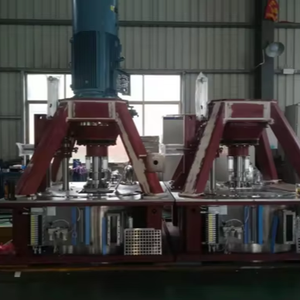
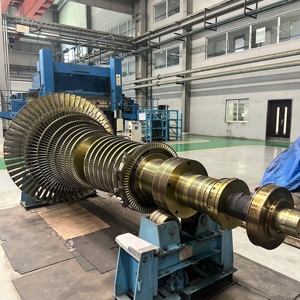
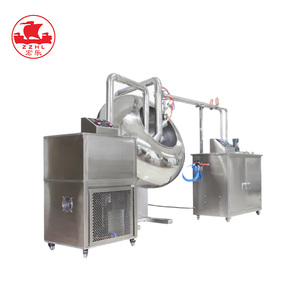
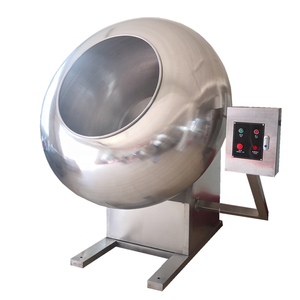
Our enterprise integrates machinery manufacturing with bulk sugar refining. By engineering our own specialized syrup centrifuges, coating turbines, and pneumatic transfer blowers, we guarantee unmatched process control across the entire carbohydrate value chain.
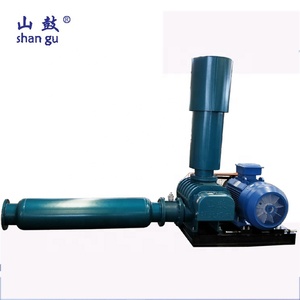
Handling crystalline raw materials prior to inversion demands dust-free, energy-efficient pneumatic conveying systems. Our Roots Blower Supercharge systems move dry sucrose at rates exceeding 15 MT/hour directly into inversion dissolution tanks with minimal particle attrition.
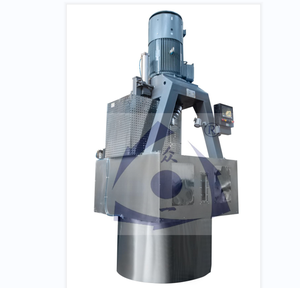
With capacities ranging from 501 to 1000 L/h, our continuous centrifuges separate non-sugar solids and un-hydrolyzed crystals from syrup streams. Outfitted with heavy-duty NSK bearings and high-torque motors, they maintain operational stability under 24/7 industrial refinery duty cycles.
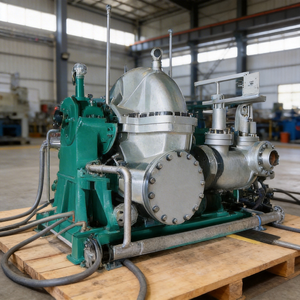
Sustainable sugar refining relies on circular thermal energy. Our steam turbine generators (1MW to 5MW range) utilize agricultural bagasse biomass to generate electrical power and process steam, significantly lowering the carbon footprint and production cost of exported invert sugars.
Combining 35+ years of industrial legacy with advanced sugar refining expertise, we empower food manufacturers, beverage giants, pharmaceutical formulators, and wholesale distributors across 60+ countries.
Every bulk shipment—from 25kg pails and 1.3 MT IBC totes to 25 MT Flexitanks—is accompanied by a comprehensive Certificate of Analysis (COA) specifying Brix, ICUMSA, inversion percentage, pH, microbial counts, and HMF concentrations tested via HPLC.
We supply custom packaging formats tailored to your receiving dock capabilities: food-grade aseptic IBC totes, steel drums with anti-corrosion liners, heat-traced bulk tankers, and custom private-label solutions for industrial distributors worldwide.
By operating directly at the intersection of sugar beet and sugar cane processing regions in China, we leverage direct mill contracts to hedge against global #11 raw sugar commodity spikes, providing stable, long-term spot and annual pricing for our overseas buyers.
Detailed technical answers to common questions asked by B2B buyers, food scientists, procurement officers, and shipping coordinators.
Connect directly with our senior application specialists and supply chain engineers. We provide customized Brix formulations, technical COAs, and competitive FOB/CIF container pricing tailored to your production schedule.