Engineered for high-yield refinement, precise syrup processing, continuous crystallization, and large-scale enterprise sugar manufacturing lines.
Understanding the molecular architecture, thermal stability, and physiological mechanisms that make Polydextrose the premier bulking agent for low-calorie formulation.
Polydextrose is a highly branched, synthetic soluble fiber polymer synthesized through the vacuum thermal condensation of D-glucose, utilizing minor quantities of sorbitol as a plasticizer and food-grade citric acid or phosphoric acid as an acid catalyst. The random cross-linking bond structure (primarily 1-6 glycosidic linkages, alongside 1-2, 1-3, and 1-4 bonds) prevents human digestive enzymes—specifically alpha-amylase and brush-border disaccharidases—from hydrolyzing the molecule.
Because the human upper gastrointestinal tract lacks the biochemical capacity to cleave these complex branched bonds, Polydextrose passes virtually intact through the stomach and small intestine, delivering a ultra-low caloric value of 1.0 kcal/g (4.18 kJ/g).
Upon entering the distal colon, Polydextrose functions as a premier prebiotic substrate. It undergoes slow, gradual anaerobic microbial fermentation by beneficial microflora, primarily Bifidobacteria and Lactobacillus species. This slow kinetic fermentation process is critical for food formulators, as it avoids the rapid gas evolution, abdominal distension, and hyper-osmotic laxative side effects commonly linked with short-chain fructooligosaccharides (FOS) or inulin.
The microbial digestion yields essential Short-Chain Fatty Acids (SCFAs)—predominantly acetate, propionate, and butyrate. Butyrate serves as the primary energy substrate for colonocytes, reducing luminal pH, suppressing pathogenic bacterial expansion, and optimizing calcium and magnesium bioavailability.
| Analytical Parameter | Refined Powder Grade (Type N) | Hydrogenated Low-Reducing Grade (Type L) | Liquid Syrup Grade (70% DS) |
|---|---|---|---|
| Polydextrose Assay (Dry Basis) | ≥ 90.0% | ≥ 90.0% | ≥ 90.0% (on dry solids) |
| Appearance | White to Light Cream Powder | Pure White Amorphous Powder | Clear, Viscous Liquid |
| Free Glucose Content | ≤ 4.0% | ≤ 0.25% | ≤ 4.0% |
| pH (10% Solution) | 2.5 - 3.5 (Standard) or 5.0 - 6.0 (Neutral) | 5.0 - 7.0 | 3.0 - 4.5 |
| Loss on Drying (Moisture) | ≤ 4.0% | ≤ 4.0% | ≤ 30.0% (Water) |
| Heavy Metals (as Pb) | ≤ 1.0 mg/kg (ppm) | ≤ 0.5 mg/kg (ppm) | ≤ 1.0 mg/kg (ppm) |
| Arsenic (as As) | ≤ 0.5 mg/kg (ppm) | ≤ 0.3 mg/kg (ppm) | ≤ 0.5 mg/kg (ppm) |
| Caloric Value Rating | 1.0 kcal / gram | 1.0 kcal / gram | 1.0 kcal / gram (dry solids) |
How Tier-1 food manufacturers, beverage formulators, and pharmaceutical houses leverage Polydextrose to replace sugar, solids, and fats while enhancing mouthfeel.
In thermal baking systems, Polydextrose functions as a 1:1 structural replacement for sucrose. It retains moisture through high hygroscopic retention, preventing starch retrogradation and extending bakery shelf life.
Its thermal stability (up to 200°C) prevents premature caramelization or off-flavor generation, providing crispness in biscuits and soft crumb texture in low-calorie cakes without collapsing dough density.
When sucrose and milk fats are reduced in ice cream, frozen yogurt, and low-fat dairy, total solids drop, leading to iciness and poor scoopability. Polydextrose depresses freezing points similarly to sucrose, inhibiting ice crystal nucleation.
It restores a creamy, luxurious mouthfeel, mimics fat emulsion characteristics, and allows clean 'No Sugar Added' labeling.
Polydextrose exhibits exceptional clarity when dissolved in aqueous solutions, yielding transparent, non-turbid liquids with minimal viscosity increases even at high 10% inclusion levels. It remains completely stable across acidic pH profiles (pH 2.5 - 4.0), making it ideal for sports drinks, carbonated zero-sugar sodas, RTD teas, and prebiotic functional waters.
In hard-boiled candies, jellies, and pectin gummies, Polydextrose prevents sugar crystallization, increases solids content, and works synergistically with intense sweeteners (Sucralose, Stevia, Monk Fruit). Hydrogenated Polydextrose (Type L) features ultra-low reducing sugar content (<0.25%), eliminating undesirable Maillard browning during high-temperature candy cooking.
Utilized as a high-compressibility binder, soluble filler, and carrier matrix for direct-compression tablets, chewable nutraceutical wafers, and dry powder blends. Its non-cariogenic status (does not promote tooth decay by oral bacteria like Streptococcus mutans) enables compliance with dental-friendly pediatric and adult health supplements.
Navigating global supply chain dynamics, non-GMO starch feedstock security, decarbonization mandates, and evolving regulatory compliance standards.
China accounts for over 65% of global commercial Polydextrose production capacity. Key Chinese manufacturers are situated directly within major corn belt regions (Shandong, Henan, and Heilongjiang provinces). Vertical integration from non-GMO corn enzymatic hydrolysis to D-glucose, sorbitol synthesis, and automated vacuum polymerization allows Chinese suppliers to deliver unrivaled cost efficiencies and consistent bulk supply.
European, North American, and Asian food brands are increasingly enforcing strict Non-GMO Project Verification and IP (Identity Preserved) non-GMO raw corn starch sourcing. Procurement directors are requiring full lot-level analytical verification confirming pesticide residue absence, heavy metal purity, and non-detectable GMO DNA sequences via qPCR testing.
Leading Chinese exporters are implementing closed-loop energy systems. By integrating onsite biomass heat recovery, high-efficiency continuous syrup evaporators, bagasse-fired or heat-recovery steam turbines, and low-energy centrifuges, manufacturing facilities are slashing carbon footprints per metric ton of Polydextrose to meet corporate Scope 3 sustainability targets.
From heavy industrial machinery integration to international quality management, discover how Chinese supply partners deliver seamless enterprise reliability.
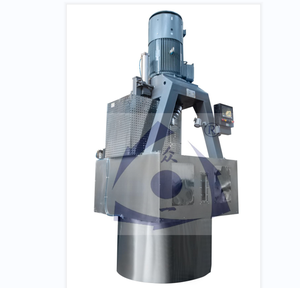
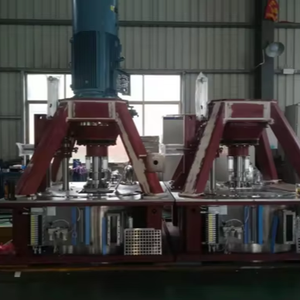
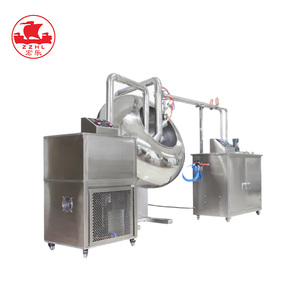
Modern Chinese Polydextrose manufacturing plants represent the convergence of precision chemical engineering and robust industrial infrastructure. Facilities are equipped with high-throughput Sugar Industry High-Speed Centrifuges (501-1000L/h SS304/316L), state-of-the-art multi-effect vacuum evaporation pans, and continuous spray-drying towers that guarantee consistent particle morphology and uniform mesh distribution (from 80 mesh standard to 200 mesh microfine powder).
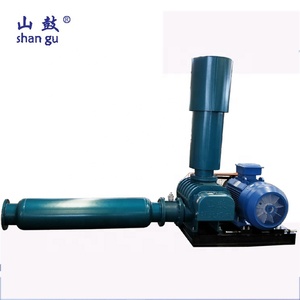
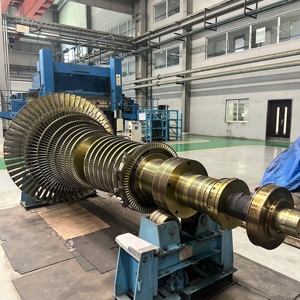
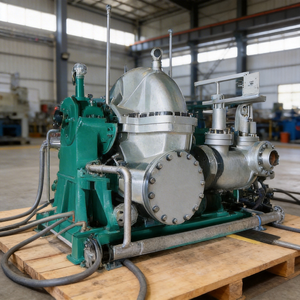
Operational stability is safeguarded by integrated power generation, utilizing high-efficiency Steam Turbine Generators (1MW to 5MW capacity) and heavy-duty Roots Blower Supercharge Pneumatic Transfer Systems to maintain non-stop 24/7 continuous production cycles without grid interruption risks.
Every commercial batch produced undergoes rigorous QA release protocols matching global standards including ISO9001, FSSC22000, BRCGS, Kosher, and Halal certifications. Analytical laboratories utilize High-Performance Liquid Chromatography (HPLC) to measure exact polymer molecular weight distribution, ensuring free glucose remains under strict limit thresholds (<4.0% or <0.25% for Type L).
Technical, commercial, and regulatory answers designed for corporate buyers, QA managers, and R&D formulation engineers.
Partner with China’s premier wholesale Polydextrose manufacturers. Contact our technical sales team for bulk sample requests, custom mesh sizing, annual contract quotes, and complete COA documentation.
Contact Us