Discover our high-efficiency sugar refining machinery, centrifugal separators, and steam turbine generators engineered to optimize OEM/ODM industrial molasses extraction and derivative yields.
Industrial molasses is far more than a simple residual byproduct of raw sugar crystallization; it represents a highly dynamic, sugar-rich carbon matrix indispensable to global bio-fermentation, ethanol distillation, animal nutrition, and industrial food manufacturing. As global demand shifts toward sustainable bio-chemical feedstocks and non-synthetic ingredients, selecting a reliable OEM/ODM industrial molasses supplier and exporter requires rigorous technical evaluation of physical properties, total fermentable sugars (TFS), trace mineral profiles, and micro-contaminants.
With over three decades of primary distribution experience, direct sugarcane and sugar beet mill supply agreements, and specialized multi-site warehousing infrastructure, our organization bridges the gap between raw mill output and high-spec industrial manufacturing. We provide tailored high-Brix formulations, custom dark and light molasses blends, organic blackstrap variants, and full engineering integration for large-scale procurement officers worldwide.
Industrial cane and beet molasses contain complex distributions of sucrose, glucose, fructose, non-sugar carbohydrates, organic acids, and inorganic ash components. Depending on the extraction phase (A, B, or C/Blackstrap), the key performance indicators vary significantly for industrial end-users:
| Parameter / Grade | C-Grade Blackstrap (Industrial) | High-Test Cane Molasses | Beet Molasses (Fermentation) | Feed-Grade Blends |
|---|---|---|---|---|
| Brix Scale (°Bx at 20°C) | 79.5° - 83.0° Bx | 84.0° - 85.5° Bx | 78.0° - 82.0° Bx | 75.0° - 79.5° Bx |
| Total Sugar Content (TFS) | 48.0% - 55.0% | 72.0% - 78.0% | 48.0% - 52.0% | 42.0% - 48.0% |
| Sucrose Percentage | 30.0% - 36.0% | 45.0% - 55.0% | 44.0% - 50.0% | 28.0% - 34.0% |
| Reducing Sugars (Fructose/Glucose) | 12.0% - 20.0% | 20.0% - 28.0% | < 1.0% (Trace) | 10.0% - 16.0% |
| Sulfated Ash Content | 9.5% - 14.0% | 2.5% - 4.5% | 8.0% - 12.0% | 10.0% - 15.0% |
| Specific Gravity (g/mL) | 1.40 - 1.43 | 1.44 - 1.47 | 1.39 - 1.42 | 1.37 - 1.40 |
| Primary Target Applications | Ethanol, Yeast, Bio-chemicals | Food Manufacturing, Confectionery | Citric Acid, Lysine Fermentation | Ruminant Feed, Silage Ensilage |
To produce standard-compliant OEM/ODM industrial molasses that meets stringent international shipping and shelf-life benchmarks, advanced sugar mill engineering is critical. Modern mills utilize specialized processing equipment to maximize sucrose recovery while standardizing the viscosity and purity of the resulting heavy syrup.
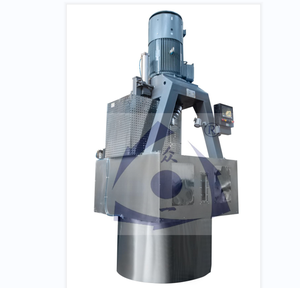
High-speed continuous centrifuges separate mass-cure massecuite into high-purity sugar crystals and viscous molasses. Precision baskets prevent solid caramel carryover and stabilize dry matter (DM) density.
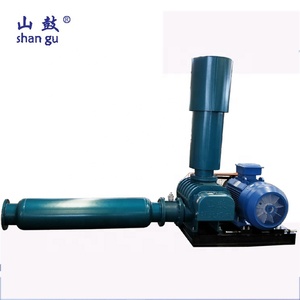
Viscous fluids and byproduct powders require heavy-duty pneumatic Roots blowers for thermal-regulated transfer across refinery pipes without risking caramel oxidation or pump cavitation.
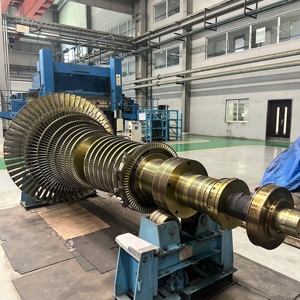
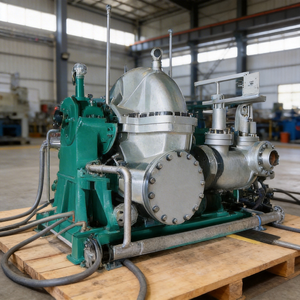
Modern sugar complexes utilize bagasse-fired steam turbine generators (1MW to 5MW+) to produce self-sustaining clean thermal power for continuous evaporator stations and vacuum pans.
A frequent challenge encountered during long-distance bulk molasses maritime export is thermal darkening and rapid viscosity spikes caused by uncontrolled Maillard reactions and sugar caramelization. Standard commercial blackstrap can exceed 25,000 cPs at cooler receiving ports if ambient transit temperatures drop. Our specialized OEM/ODM export conditioning process utilizes controlled acid-buffering, micro-filtration of suspended insolubles, and standardized enzymatic viscosity reduction, ensuring consistent pumpability at unloading terminals worldwide without sacrificing total fermentable sugars.
Every commercial facility operates under unique receiving protocols. As full-scale OEM/ODM contract processors and exporters, we adjust raw parameters to meet client-defined manufacturing standards:
Operating as a primary supplier and distributor, our logistics and quality framework is engineered around the operational realities of continuous manufacturing plants. When a production line requires guaranteed ingredient continuity, relying on unverified spot brokers introduces severe operational risk.
Every lot is backed by a comprehensive Certificate of Analysis covering Brix, Total Sugars, Moisture, Ash, Heavy Metals, and Microbiological counts, accompanied by full traceability files.
Strategically situated warehousing facilities and major deep-water port access allow rapid fulfillment across North America, Europe, Asia-Pacific, and Latin American destinations.
Awarded multi-year supply contracts with tier-one cane and beet sugar mills stabilize commodity market volatility and protect clients against unexpected regional crop failures.
Whether you require USDA Organic, Non-GMO Project Verified, Kosher Certified, or Halal Certified industrial molasses, our technical sales team manages full regulatory dossier clearing, custom harmonized system (HS) customs documentation, and bill-of-lading execution.
As global supply chains navigate carbon accounting, bio-fuel directives, and shifting agricultural climate patterns, procurement leaders must anticipate structural shifts in the industrial molasses marketplace over the coming decade.
The global surge in demand for sustainable bioplastics, such as polyhydroxyalkanoates (PHA) synthesized via bacterial fermentation, is positioned to double industrial molasses consumption within the bio-chemical sector. Because C-molasses provides an economical, non-food-competing carbon substrate rich in micro-nutrients, bioplastic manufacturers are rapidly locking into multi-year off-take agreements with primary molasses exporters.
Future supply security will increasingly favor sugar mills operating fully decarbonized processing loops. Facilities utilizing bagasse co-generation steam turbines to power high-speed centrifugal machinery and evaporation trains achieve significantly lower carbon intensity (CI) scores. Buyers evaluating Scope 3 emissions in their raw material supply chains will prioritize suppliers capable of delivering low-CI certified molasses.
Traditional fixed-price annual quotes are progressively giving way to dynamic index-linked pricing tied to raw sugar futures (ICE No. 11 and No. 16 contracts) combined with real-time ocean freight indices. Enterprise buyers are urged to adopt hybrid procurement strategies—securing baseline volume through fixed annual allocations while leveraging flexible spot options to optimize landed cost during peak crushing seasons.
Direct answers to critical procurement, chemical, and logistical questions compiled by our senior technical director and logistics team.
Our minimum order quantity for custom-formulated Brix or pH-buffered molasses blends begins at 24 Metric Tons (1 full Flexitank or 20 IBC Totes). For standard non-customized industrial blackstrap molasses, drum orders start at pallet quantities (4 drums / 1,000 kg net weight).
We perform batch-level High-Performance Liquid Chromatography (HPLC) testing on every incoming mill lot to quantify sucrose, glucose, and fructose fractions. By managing extensive multi-mill storage tanks, we perform controlled blending of early-season and late-season syrups to guarantee total fermentable sugars (TFS) stay within target specs.
Every export order is dispatched with a Lot-Specific Certificate of Analysis (COA), Phytosanitary Certificate, Certificate of Origin, Bill of Lading, Packing List, Commercial Invoice, and relevant religious or organic credentials (Kosher, Halal, Non-GMO Project Verified, USDA Organic).
Yes. We offer turnkey private labeling services across 275-gallon IBC totes, 55-gallon steel/HDPE drums, and 5-gallon pails, incorporating client logo branding, custom hazard labeling, multi-lingual warnings, and custom barcode tracking.
At temperatures below 20°C (68°F), heavy molasses viscosity increases exponentially. For Flexitank shipments into cold climates, we install bottom-heating pads beneath the flexitank container prior to loading. At the destination port, low-pressure steam or hot water is circulated through the heating pad to restore fluid pumpability within 3 to 5 hours.
High-Brix molasses (≥79.5° Bx) possesses extremely low water activity (a_w < 0.70), making it microbiologically stable with an indefinite shelf life when stored un-diluted in sealed, cool containers below 25°C. Exposure to ambient moisture or condensation must be avoided to prevent surface dilution, which can trigger localized yeast fermentation.
Cane molasses contains substantial reducing sugars (glucose and fructose, typically 12-20%), conferring distinct flavor profiles and fast yeast uptake. Beet molasses contains almost zero reducing sugars with sugar content dominated by sucrose, but contains higher natural betaine levels which can benefit specific bacterial fermentations.
All primary processing streams undergo multi-stage magnetic filtration, centrifugal micro-clarification, and periodic third-party ICP-MS screening for lead, arsenic, cadmium, and mercury. Our products comply with FDA, EFSA, and EU maximum residue limits (MRLs) for food and animal feed ingredients.
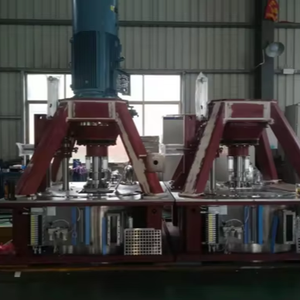
Our engineering division designs modular SS304/316L centrifuges and 1MW-5MW steam turbine power units to drop directly into standard sugar mill mechanical layouts. Equipment is engineered to standard flange dimensions, matching PLC control architectures for seamless SCADA integration.
Containerized Flexitank and drum orders typically ship within 7 to 14 business days from contract confirmation. Full parcel tanker charter vessel bookings (5,000 MT to 25,000 MT) require a 30 to 45-day lead time to coordinate port loading rights, laycan schedules, and customs clearance.
Connect directly with our senior application specialists to discuss technical parameters, sample requests, landed freight quotes, or equipment integrations.