Top 10 Beet Sugar Manufacturer & Suppliers

An Industry White Paper & Global Procurement Guide on High-Purity Refined Sucrose, Extraction Machinery & Supply Chain Engineering

Industrial Catalog & Solutions

Featured Sugar Processing Equipment & Extraction Systems

Explore high-efficiency centrifuges, power generation turbines, and pneumatic conveyances engineered to optimize industrial beet sugar refining and bulk syrup production.
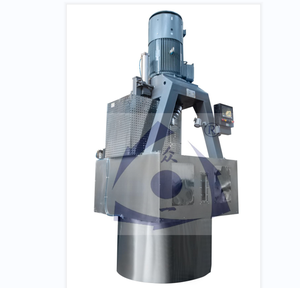
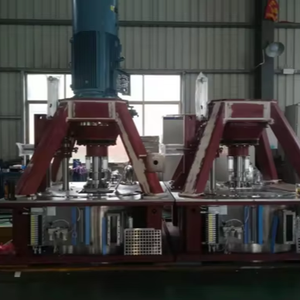
Sugar Industry High-Speed Centrifuge

Sugar Industry High-Speed Centrifuge (501-1000L/h SS304/316L)

Get Catalog
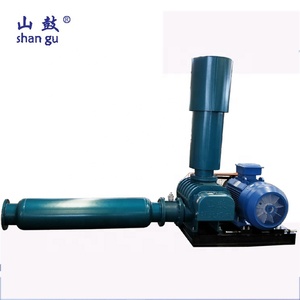
Sugar Plant Roots Blower Supercharge

Sugar Plant Roots Blower Supercharge Pneumatic Transfer System

Get Catalog
Energy-saving Sugar Centrifuge Hengrui

High-Productivity Energy-Saving Sugar Centrifuge for Syrup Processing

Get Catalog
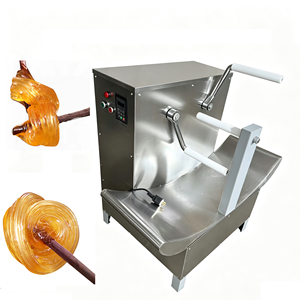
Candy Sugar Pulling Machine

Commercial Industrial High-Efficiency Candy Sugar Pulling Machine

Get Catalog
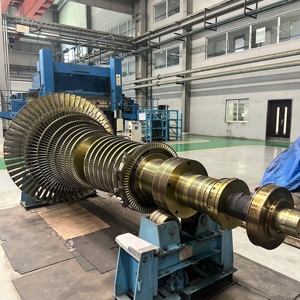
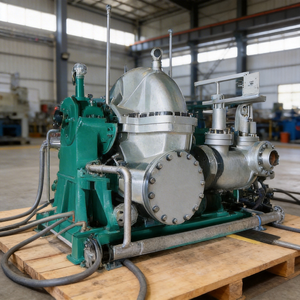
Steam Turbine Generator for Sugar Mill

Steam Turbine Generator for Sugar Mill Bagasse Power Plant

Get Catalog
Sugar Chocolate Coating Turbines

Commercial Heavy-Duty Sugar & Chocolate Coating Turbines

Get Catalog
Industrial Steam Turbine Generator 1MW-5MW

Sugar Mill Industrial Steam Turbine Generator (1MW to 5MW Output)

Get Catalog
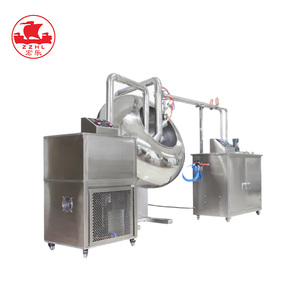
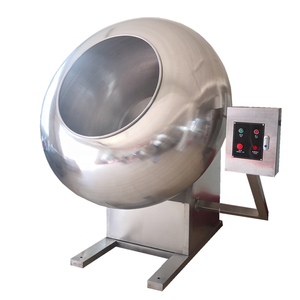
Stainless Steel Sugar Coating Turbine Touch Control

Stainless Steel Large-Capacity Sugar Coating Turbine with Touch Control

Get Catalog
40+
Sweetener Grades Stocked
50
US States Covered
99.9%
Purity Sucrose Rating
1987
Industry Experience Since

1. Technical Blueprint & Market Architecture of Global Beet Sugar Manufacturing

Beet sugar (Beta vulgaris derivative) accounts for approximately 20% to 25% of total worldwide sugar production, serving as the primary source of crystalline sucrose across North America and Western Europe. Unlike cane sugar processing—which relies on crushing mills—beet sugar manufacturing requires sophisticated thermo-chemical extraction, counter-current diffusers, carbonatation juice purification, multi-effect evaporation, and high-speed centrifuges to achieve an ICUMSA rating below 45 IU (International Commission for Uniform Methods of Sugar Analysis).

Modern industrial procurement officers evaluate beet sugar manufacturers not merely on bulk pricing per hundredweight (cwt), but on structural compliance with FSMA (Food Safety Modernization Act), GFSI benchmarks (SQF Edition 9, BRCGS), non-GMO verification, and raw material purity profiles. High-purity beet sugar delivers identical chemical functionality to cane sugar—a 99.9% pure disaccharide composed of alpha-D-glucopyranosyl and beta-D-fructofuranoside—making it completely interchangeable in commercial baking, confectionery, beverage batching, and pharmaceutical syrup formulations.

Key Technical Differences: Beet Sugar vs. Cane Sugar Processing

Chemical Purity & Structure

Both contain 99.9% pure sucrose. Beet sugar exhibits zero trace raffinose variations when refined through continuous batch centrifuges (SS304/SS316L separation systems).

Thermal Caramelization

Beet sugar provides tight ash tolerances (<0.015%), preventing unexpected Maillard color shifts during high-temperature candy pulling and chocolate coating processes.

Dissolving & Foaming Dynamics

Eliminates organic trace proteins that cause foaming in high-speed carbonated beverage lines, making liquid sucrose derived from beet ideal for automated dosing pumps.

2. Future Procurement Trends in Beet Sugar & Processing Machinery

The global sugar supply chain is undergoing a fundamental structural transition driven by automated processing plants, decarbonization metrics, and strict lot-level traceability. Corporate purchasing departments must navigate fluctuating energy markets, freight logistics disruptions, and shifting agricultural yields by adopting modern strategic procurement frameworks.

A. Transition to Closed-Loop Energy-Saving Extraction & Cogeneration

Modern beet sugar refining consumes substantial thermal and electrical energy during juice diffusion and water evaporation. Leading sugar mill suppliers are heavily investing in heavy-duty steam turbine generators (1MW to 5MW output) driven by agricultural biomass and process steam. By integrating high-efficiency multi-stage turbines into sugar processing infrastructure, refineries achieve grid independence while selling surplus green electricity back to local power grids, reducing overall processing cost per ton of beet.

B. Precision Separation & Sanitary Pneumatic Conveying

Contamination prevention is paramount in pharmaceutical and high-tier food processing. Procurement specs increasingly dictate the use of high-speed centrifuges constructed with SS304/SS316L contact parts and supercharged Roots Blowers for pneumatic transfer. Closed pneumatic conveying prevents ambient air pollutants and humidity from degrading refined sugar crystals during long-distance bulk transfer between silos, supersacks, and railcars.

C. Liquid Sucrose Automation & Tanker-Ready Dosing

To reduce labor overhead, energy costs, and dust control hazards, enterprise food manufacturers are shifting away from 50 lb dry bag handling toward pre-dissolved liquid sucrose delivered in 275-gallon IBC totes and full bulk tankers. Automated liquid dosing systems allow continuous metering into continuous dough mixers, beverage batch tanks, and confectionery coating pans without manual dissolving equipment.

3. Global Market Development Trends (2025–2035 Horizon)

Analyzing global production metrics, agricultural yield shifts, and end-user market evolution provides crucial insights for contract negotiations and long-term commodity hedging.

Demand Surge in Clean Label & Non-GMO

North American and European food brands are prioritizing Non-GMO Project Verified IP (Identity Preserved) beet sugar to meet consumer preferences for transparent labeling in natural foods.

Localization & Strategic Warehousing

Supply chain volatility has accelerated multi-site regional warehousing. Buyers are moving from single-source mill contracts to regional distributors maintaining localized buffer inventory.

Advanced Confectionery Machinery Integration

Downstream manufacturers are pairing premium extra-fine beet sugar with smart, touch-control chocolate coating turbines and automated sugar pulling systems to produce high-margin retail SKUs.

4. Enterprise Advantages: Built Around Manufacturing Schedules

As a premiere manufacturer and nationwide distributor of industrial sugars and sweetening agents, our operations are specifically structured to eliminate downtime for commercial bakeries, beverage plants, confectioners, and pharmaceutical compounders. We bridge the gap between heavy industrial sugar refining equipment and raw commodity delivery.

Consistently Stocked Inventory

We hold floor inventory across 40+ sugar and sweetener categories—granulated, brown, liquid sucrose, dextrose, and polyols—eliminating waiting times on primary mill schedules.

Full Certificate of Analysis (COA) Compliance

Every single lot is delivered with comprehensive QA documentation covering ICUMSA color, moisture percentage, microbiological clearance, Kosher, Organic, and Non-GMO certifications.

Multi-Format Packaging & Private Labeling

From 50 lb multi-wall paper bags and 2,000 lb supersacks to 275-gallon IBC totes and bulk liquid tankers, we configure packaging to match your facility's exact receiving dock setup.

5. Industrial Beet Sugar Procurement & Technical FAQ

Answers to critical sourcing, logistics, quality assurance, and mechanical machinery questions written by our senior engineering and procurement team.

Where can enterprise food plants buy beet sugar in bulk?
Enterprise procurement buyers purchase bulk beet sugar directly from accredited bulk sweetener distributors and refinery suppliers. We stock and distribute 40+ refined sugar variants and functional sweeteners, shipping nationwide across all 50 US states in 50 lb bags, 2,000+ lb supersacks, 275-gallon IBC totes, and full bulk tanker loads—without retail markups.
What is the minimum order quantity (MOQ) for bulk sugar procurement?
Minimum order quantities are structured specifically for commercial manufacturing scale. Dry crystalline beet sugar orders start at single-pallet thresholds (50 lb bags, 40–50 bags per pallet), while liquid sweeteners start at single drum or IBC tote quantities. Significant per-pound volume discounts apply to full truckloads (FTL), supersacks, and dedicated bulk tankers.
How is industrial beet sugar priced on the spot and contract markets?
Bulk sugar pricing follows commodity market benchmarks, specifically tracking Domestic No. 16 and World No. 11 raw sugar futures contracts, plus freight differentials, refining premiums, and volume tiers. Procurement teams can elect spot pricing for immediate operational needs or lock in multi-quarter and annual fixed contracts to guarantee pricing predictability and physical product supply.
What documentation accompanies each sugar shipment?
Every shipment includes a lot-specific Certificate of Analysis (COA) detailing physical and chemical parameters, including ICUMSA color rating, sucrose purity percentage (>99.9%), moisture content (<0.04%), ash content, and microbiological testing (yeast, mold, salmonella). Additional files include Kosher certificates, Organic compliance, Non-GMO verification, and Allergen statements.
What machinery is required for processing beet sugar in large-scale mills?
Beet sugar refining requires specialized industrial equipment: continuous diffusers for juice extraction, high-speed centrifuges (SS304/SS316L) to separate sugar crystals from mother liquor, steam turbine generators (1MW to 5MW) for cogeneration power, Roots blowers for pneumatic conveying, and secondary processing tools like sugar coating turbines and pulling machines for confectionery production.
What is liquid sucrose and why are beverage and bakery plants adopting it?
Liquid sucrose is premium granulated sugar pre-dissolved in ultra-pure water to a concentration of approximately 67° Brix. Beverage plants, dairies, and industrial bakeries utilize liquid sucrose to bypass on-site batch dissolving tanks, reduce thermal energy usage, eliminate ambient sugar dust hazards, and pump sweetener directly into automated mixing tanks.
How should bulk crystalline sugar be stored to maximize shelf life?
Granulated beet sugar should be stored in a climate-controlled warehouse maintaining temperatures below 80°F (27°C) and relative humidity below 60%. Products must be elevated off concrete floors on clean pallets and kept away from strong chemical odors or water sources. Properly stored granulated sucrose has an indefinite shelf life due to its extremely low water activity.
How fast can truckload deliveries be executed across North America?
Through our strategically positioned multi-site warehouse network, standard truckload deliveries arrive within 2 to 5 business days. Because product is physically held in floor stock rather than waiting on refinery production queues, emergency spot orders can frequently be dispatched for next-day dock delivery.

Request Product Specifications & Bulk Quotations

Connect directly with our engineering and commodity procurement specialists to evaluate custom packaging, request lot COAs, or verify regional inventory availability.

Get Catalog