Maltitol (C12H24O11, 4-O-α-D-Glucopyranosyl-D-glucitol) is a hydrogenated disaccharide polyol that delivers 75–90% of the sweetness of sucrose with only 2.1 kcal/g. As food manufacturers pivot toward keto-friendly, sugar-free, and low-glycemic formulations, global bulk maltitol demand has surged across confectionery, bakery, pharmaceutical excipients, and beverage lines.
High-purity maltitol crystallization and polyol syrup refining require heavy-duty industrial separation, coating turbines, and pneumatic conveyances. Below are top-tier industrial sugar processing solutions available for global factory procurement:
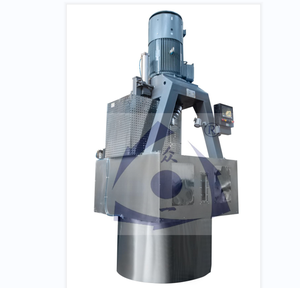
Heavy-duty SS304/316L material, precision bearing & motor integration for rapid mother-liquor separation in crystalline maltitol and sucrose plants.
Contact Us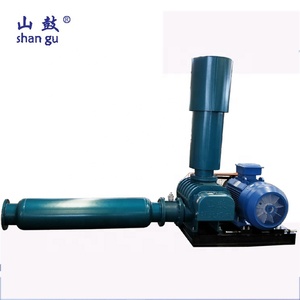
Positive displacement pneumatic conveyance blower designed for hygienic transfer of bulk maltitol powder, dextrose, and crystalline polyols.
Contact Us
High-productivity syrup separation centrifuge engineered for continuous maltitol liquid syrup polishing and starch sugar mass reduction.
Contact Us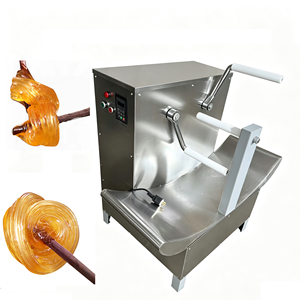
Affordable, high-torque sugar pulling machinery for aerated sugar-free confections, hard candies, and maltitol-based chewy sweets.
Contact Us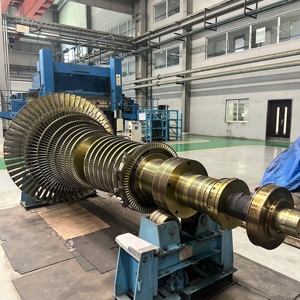
Industrial bagasse and bio-mass power generation turbine system engineered to reduce energy costs in large-scale sugar refineries.
Contact Us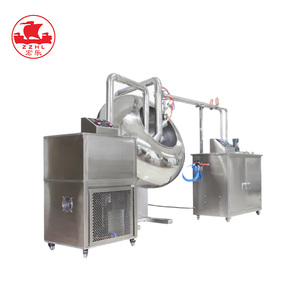
Stainless steel pan coating turbines ideal for applying crisp maltitol shell coatings onto sugar-free chewing gum, nuts, and chocolate centers.
Contact Us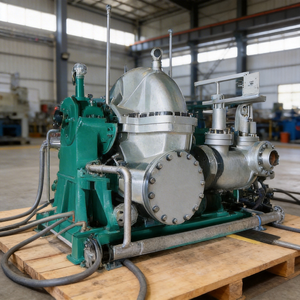
High-efficiency thermal drive turbine system customized for heavy mechanical operations in sugar mills and starch processing facilities.
Contact Us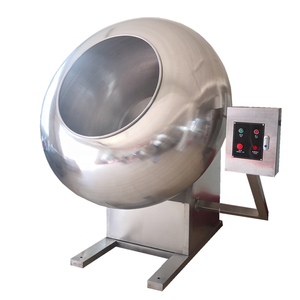
Advanced PLC touch-screen commercial coating pan system with automatic thermal air blowing for uniform maltitol crystallization.
Contact UsSelecting the right bulk maltitol manufacturer requires evaluating raw starch sourcing (corn vs. tapioca vs. wheat), catalytic hydrogenation technology, particle mesh sizing, and international quality certifications (ISO 22000, FSSC 22000, Halal, Kosher, Non-GMO Project Verified). Below is the comprehensive benchmark of the world's leading suppliers.
Brand Names: SweetPearl® (Crystalline Maltitol), Lycasin® (Maltitol Syrup).
Core Strengths: Pioneer in polyol chemistry with massive facilities in Europe and North America. SweetPearl® offers exceptional crystalline purity, non-hygroscopic performance, and precise particle size fractions (from 20-mesh coarse to ultra-fine micronized powders).
Brand Names: C☆Maltidex™.
Core Strengths: Worldwide agricultural footprint providing seamless supply chain security. Cargill's C☆Maltidex™ series includes both high-purity crystalline grades for chocolate formulations and liquid maltitol syrups tailored for confectionery stabilization and humectancy.
Brand Names: Maltisweet™.
Core Strengths: Deep formulation support for sugar reduction in bakery, dairy, and confectionery lines. Ingredion excels in providing standardized liquid maltitol syrups with controlled dry substance (DS) levels (75%–85%) for optimized osmotic pressure.
Capabilities: World-leading dedicated polyol manufacturing plant.
Core Strengths: Highly automated high-pressure hydrogenation reactors and continuous chromatographic separation. Huakang supplies major global food conglomerates with high-volume, cost-effective crystalline maltitol matching USP/EP/FCC monographs.
Capabilities: Integrated corn wet-milling and polyol conversion.
Core Strengths: ADM leverages direct corn starch feedstocks to yield low-cost liquid and crystalline maltitol. Outstanding logistics across North America and Latin America with full traceability and Non-GMO supply options.
Capabilities: Massive production capacity for sugar alcohols.
Core Strengths: Futaste specializes in large-scale export operations, supporting multi-ton bulk bag (supersack) shipments. Known for tight particle size distribution control essential for direct tableting in pharma excipients.
Focus: Custom texturizing and sweetener systems.
Core Strengths: Combines bulk maltitol supply with proprietary sensory profiling. Tate & Lyle provides tailor-made polyol solutions that optimize bulking, mouthfeel, and sweetness curves in reduced-sugar applications.
Capabilities: One-stop global supply chain network.
Core Strengths: Provides flexible batch sizes, rapid mixed-container consolidation, and extensive global port distribution. Excellent alternative for mid-sized manufacturers requiring rapid spot-load deliveries.
Capabilities: High-precision Japanese pharmaceutical & food-grade polyols.
Core Strengths: Uncompromising quality control, strict heavy-metal and microbiological purity standards, serving specialized high-end confectionery and oral pharmaceutical dosage forms.
Capabilities: Multi-site North American warehousing and bulk distribution.
Core Strengths: Direct contract agreements with major global mills. Holds local inventory in 50 lb bags, supersacks, and liquid totes across all 50 states, ensuring fast dispatch without waiting on overseas mill lead times.
Formulation engineers must match the physical characteristics of maltitol to their specific processing machinery. The table below details key technical specifications across standard commercial grades:
| Specification Parameter | Crystalline Maltitol (Standard) | Maltitol Powder (Micronized) | Liquid Maltitol Syrup (High Maltitol) |
|---|---|---|---|
| Maltitol Content (Purity) | ≥ 98.5% (Dry Basis) | ≥ 99.0% (Dry Basis) | 50% – 85% (Dry Basis) |
| Physical Appearance | White crystalline powder / granules | Ultra-fine white powder | Clear, colorless viscous liquid |
| Melting Point Range | 145°C – 148°C | 145°C – 148°C | N/A (Liquid Solution) |
| Moisture Content | ≤ 1.0% | ≤ 0.5% | 25% – 30% (Water Content) |
| Particle Size (Mesh) | 20 – 60 Mesh (250–800 µm) | 80 – 200 Mesh (75–180 µm) | N/A |
| Relative Sweetness (Sucrose = 100) | ~90% | ~90% | 65% – 75% |
| Primary Application Area | Chocolate confections, hard candies | Direct tableting, chewing gum coating | Humectant, bakery filling, syrups |
As sugar tax legislation expands globally and consumer demand for keto-compliant foods reaches record highs, maltitol remains the premier functional bulk sweetener. Unlike high-intensity sweeteners (such as Stevia or Sucralose) which contribute zero volume, maltitol acts as a direct 1:1 replacement for sucrose, supplying essential bulk, viscosity, freezing point depression, and structural mass.
Maltitol is uniquely suited for chocolate production due to its low hygroscopicity and thermal behavior. When processed in high-speed conching machinery, crystalline maltitol exhibits a melting curve nearly identical to sucrose. It does not undergo Maillard browning under normal processing temperatures, enabling clean cocoa flavor delivery. Furthermore, industrial chocolate coating turbines utilize fine-grade maltitol to form crunchy, glossy hard coatings on chewing gum, dragées, and protein bars.
In baked goods, liquid maltitol syrup functions as a moisture-retention agent (humectant) that extends product shelf-life without raising water activity (aw) to levels that promote mold growth. In sponge cakes and biscuits, maltitol preserves structure, aeration, and crumb softness, making it the preferred bulk polyol for sugar-free bakery formulations.
Because maltitol is non-cariogenic (it cannot be fermented by oral bacteria such as Streptococcus mutans), it is widely incorporated into oral care products, cough syrups, and chewable vitamin tablets. Micronized maltitol powder (80–200 mesh) offers superior compressibility for direct compression tableting, providing sufficient hardness without requiring high binder concentrations.
Modern maltitol synthesis involves enzymatic hydrolysis of corn or tapioca starch to yield high-maltose syrup (≥80% maltose content), followed by continuous high-pressure catalytic hydrogenation using specialized Raney nickel catalysts. Leading producers are investing heavily in continuous hydrogenation loops that reduce carbon intensity, water consumption, and catalyst waste.
Fluctuations in global grain markets (corn and wheat futures) directly impact maltitol production economics. Strategic enterprise buyers are increasingly establishing long-term volume contracts with manufacturers capable of switching between corn starch and cassava/tapioca starch feedstocks to hedge pricing risks.
While 25 kg (50 lb) multi-wall paper bags with PE liners remain standard for small-to-medium batch operations, large-scale industrial buyers are transitioning to 1,000 kg FIBC supersacks equipped with bottom discharge spouts. Liquid maltitol syrup is predominantly transported via 275-gallon IBC totes or stainless steel bulk liquid tankers to eliminate container unloading labor.
We bridge the gap between world-class polyol manufacturing mills and industrial manufacturing lines across North America and global markets.
We hold ready-to-ship inventory across nationwide warehouses. Rather than waiting 6–10 weeks for overseas mill production and maritime transport, truckload dispatches occur in days.
Every single lot is shipped with a full Certificate of Analysis (COA) detailing HPLC purity, moisture content, particle size sieve analysis, heavy metals, and microbiological assay clearance.
Full documentation for FDA GRAS compliance, EU Food Additive E965(i) / E965(ii) specifications, USP/NF monographs, Kosher Pareve, Halal, and Non-GMO certifications provided with orders.
From high-speed syrup separation centrifuges to industrial coating turbines and roots blowers, we support both raw material sourcing and technical equipment specification.
Essential technical and supply chain answers for procurement officers, chemical buyers, and R&D formulators:
Crystalline maltitol is a dry, white purified polyol (>98.5% purity) used where low moisture and sugar-like crystallization are required (e.g., chocolates, hard candies, tableting). Liquid maltitol syrup is a hydrogenated starch hydrolysate containing 50%–85% maltitol along with sorbitol and hydrogenated oligosaccharides, ideal for humectancy, chewy candies, and soft bakery products.
Dry crystalline maltitol is packed in 25 kg (55.1 lb) multi-wall moisture-barrier paper bags, 50 lb bags, or 1,000 kg (2,204 lb) supersacks on heat-treated pallets. Liquid syrup is supplied in 55-gallon drums, 275-gallon IBC totes, or full 45,000 lb bulk liquid tankers.
Maltitol has a similar cooling effect and sweetness profile to sugar. Because its melting point is 145°C–148°C and its equilibrium moisture content is low, it withstands standard conching temperatures (up to 60°C–70°C for milk chocolate and 80°C for dark chocolate) without agglomerating, provided humidity is strictly controlled.
Yes. Maltitol has a low Glycemic Index (GI ~ 35 for powder, GI ~ 52 for syrup) compared to refined sucrose (GI ~ 65). It induces a significantly lower blood glucose and insulin response, making it a cornerstone ingredient in sugar-reduced, keto-friendly, and diabetic-safe food formulation.
Crystalline maltitol has an indefinite shelf life (typically certified for 36 months) when stored in cool, dry conditions (below 25°C / 77°F and relative humidity <60%) away from strong odors. Because crystalline maltitol is non-hygroscopic below 85% RH, it resists caking if unsealed bags are handled correctly.
Bulk maltitol pricing reflects raw starch commodity indices (corn/tapioca), chemical hydrogenation processing costs, freight lanes, order volume, and packaging format. Spot loads and multi-ton annual supply contracts are custom-quoted to your destination port or receiving dock.
Need truckload quantities of bulk maltitol or continuous sugar-processing equipment? Connect with our senior technical procurement specialists today to verify availability, request sample shipments, and finalize landed pricing.
Contact Us