High-capacity liquid fructose processing, starch hydrolysis, and refinery machinery required to maintain 75° Brix concentration, microbiological purity, and continuous output.
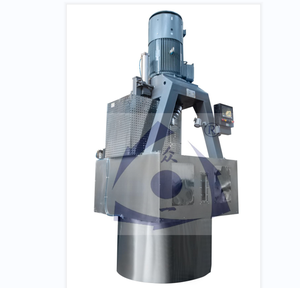
Precision syrup separation unit equipped with heavy-duty motor & bearings for continuous starch and crystalline liquid sugar processing.
Send an Inquiry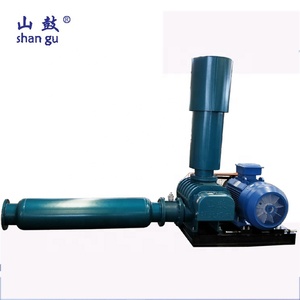
Heavy-duty dry and granular material pneumatic conveying system engineered for high-volume sugar refinery utility lines.
Send an Inquiry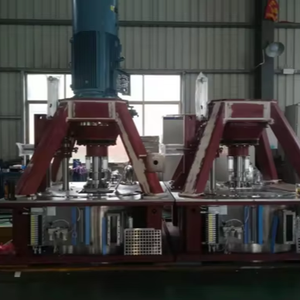
Specialized Hengrui productivity centrifuge designed for low-energy clarification and high-Brix syrup purification runs.
Send an Inquiry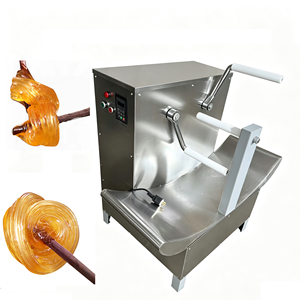
Industrial confectionery aeration and sugar pulling equipment built for continuous batch aeration and texture control.
Send an Inquiry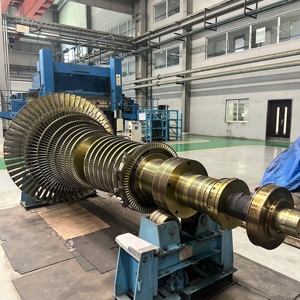
High-efficiency electricity generation system driving decarbonized, self-sustaining sugar mill biomass power operations.
Send an Inquiry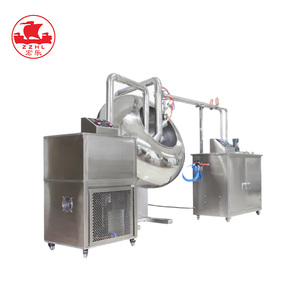
Rotary panning drum turbines for precise liquid sugar coating, confectionery glazing, and automated syrup spraying.
Send an Inquiry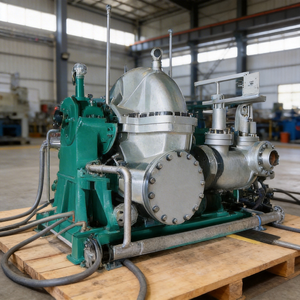
Robust industrial mechanical drive steam turbines designed for heavy refinery extraction and power co-generation.
Send an Inquiry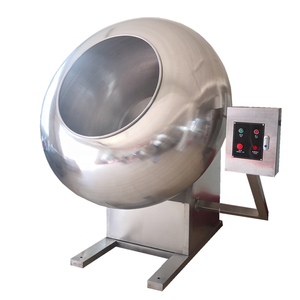
Advanced PLC touch-screen syrup enrobing system built with food-grade SS316 for confectionery & pharmaceutical lines.
Send an InquiryLiquid fructose—commercially produced primarily as High Fructose Corn Syrup (HFCS-42, HFCS-55, and High-Fructose Liquid Syrups up to F-90)—is an indispensable monosaccharide sweetener in the modern food, beverage, dairy, and pharmaceutical sectors. Obtained through the enzymatic hydrolysis of corn starch into glucose, followed by enzymatic isomerization utilizing glucose isomerase enzymes, liquid fructose offers distinct functional advantages over sucrose. These include superior osmotic pressure, heightened humectancy, immediate sweetness onset, lower freezing point depression, and resistance to crystallization at high concentration (71°–77° Brix).
As global industrial beverage bottlers, commercial bakeries, and condiment processors optimize their formulations for cost-efficiency, thermal stability, and clean sensory profiles, choosing the right liquid fructose manufacturer and factory partner becomes a critical strategic lever. The global market requires not only strict compliance with food safety management schemes (such as FSSC 22000, ISO 22000, and IP Non-GMO certifications) but also robust logistics capabilities capable of managing bulk liquid transport via dedicated thermal totes, drums, and ISO tank trailers without risking microbiological contamination or retrogradation.
Industrial beverage formulation lines require high-precision fructose-to-glucose ratios (e.g., 55% fructose / 42% glucose on a dry matter basis for soft drinks). Deviations exceeding ±0.5% in dry solids Brix or sugar composition alter flavor perception, acid-sweetness balance, and product shelf-life. Top-tier global manufacturers employ continuous automated refractometry and HPLC inline analytical sensors during reactor isomerization to ensure lot-to-lot consistency.
An evaluation of market leadership, manufacturing throughput, quality assurance certifications, and bulk liquid handling capabilities.
| Manufacturer / Manufacturer Group | Primary Plant Locations | Product Specialization | Quality Certifications | Key Procurement Advantages |
|---|---|---|---|---|
| 1. Archer Daniels Midland (ADM) | USA, Europe, South America | HFCS-42, HFCS-55, Crystalline & Liquid Fructose | FSSC 22000, ISO 9001, Kosher, Halal | Massive global refinery network, deep corn wet-milling integration, robust railcar fleet. |
| 2. Cargill, Incorporated | USA, Netherlands, China, Brazil | High Fructose Syrups, Liquid Sucrose Blends | GFSI, ISO 14001, IP Non-GMO | Advanced supply chain logistics, multi-region redundancy, customized Brix formulation. |
| 3. Ingredion Incorporated | USA, Mexico, Canada, Asia-Pacific | Specialty Fructose Syrups, Polyols, Starch Syrups | FSSC 22000, SQF Level 3, Non-GMO Project | Specialty ingredient focus, strong application science support, custom viscosity profiles. |
| 4. Roquette Frères | France, USA, China, India | Fructose Syrups (Nutrose®), Maltitol, Dextrose | ISO 22000, EXCiPACT (Pharma grade), Halal | Pioneer in plant-based proteins and starch derivatives, ultra-pure pharma-grade liquid fructose. |
| 5. Tate & Lyle PLC | UK, USA, Slovakia | Custom Fructose-Glucose Liquids, Rare Sugars | GFSI Certified, BRCGS, Kosher | Formulation expertise, sugar-reduction solution pairing, precise enzymatic process control. |
| 6. COFCO Biotech Co., Ltd. | China (Anhui, Heilongjiang) | F-42, F-55 Liquid Fructose, Glucose Syrups | ISO 9001, FSSC 22000, HACCP | Largest Asian wet-milling capacity, competitive export pricing, extensive ISO tank transport. |
| 7. Wilmar International | Singapore, China, Southeast Asia | Liquid Fructose, Refined Syrups, Specialty Blends | FSSC 22000, ISO 22000 | Integrated port-side refining facilities, unmatched pan-Asian logistics coverage. |
| 8. Hungrana Ltd. | Hungary (Central Europe) | Isoglucose / Liquid Fructose 42/55 | ISO 9001, FSSC 22000, Non-GMO Europe | Largest European corn processing factory, 100% European corn feedstock, sustainable bio-energy usage. |
| 9. US Sweeteners Distribution Network | USA (East Coast Warehouses / Brooklyn, NY) | Liquid Sucrose, Bulk HFCS 55, Custom Syrups | Kosher, Organic, Multi-Site COA Verification | Consistently stocked inventory, multi-site warehousing, immediate 50-state delivery without mill delays. |
| 10. Zhucheng Dongxiao Biotechnology | China (Shandong Province) | High Fructose Syrup, Crystalline Fructose | HACCP, ISO 22000, Halal, Kosher | High export volume to South America and Southeast Asia, scalable ODM/OEM contract supply. |
How evolving consumer preferences, carbon regulations, and manufacturing technologies are reshaping sweetener procurement strategies.
Leading factories are integrating bio-mass steam turbine generators (such as 1MW–5MW extraction turbines utilizing sugarcane bagasse or corn cob waste) to self-generate electricity. Institutional procurement mandates now weigh the carbon intensity per ton of liquid fructose produced.
Traditional spot buying is yielding to smart contract logistics. Modern bulk tankers delivering liquid fructose (71°–77° Brix) are fitted with IoT temperature and refractometry sensors, preventing caramelization or crystallization during winter transit across northern distribution routes.
Clean-label beverage and bakery brands are forcing wet-millers to segregate non-GMO corn and tapioca feedstocks. European and North American procurement managers require full IP traceability back to rural grain elevators before signing annual contracts.
Bridging the gap between raw mill production schedules and rigid factory manufacturing lines.
We hold ready-to-ship inventory across multiple strategic logistics hubs. Avoid costly production line shutdowns caused by refinery delays or mill maintenance cycles.
Every shipment releases with a Certificate of Analysis detailing Brix percentage, refractive index, sugar spectrum ratio (Fructose/Glucose/DP3+), microbiological safety, and heavy metal testing.
From 55-gallon steel/HDPE drums and 275-gallon IBC totes for mid-scale processors to full stainless steel bulk liquid tankers for high-capacity beverage plants.
Expert answers to technical, commercial, and quality assurance queries asked by food technology buyers.
HFCS-42 contains 42% fructose on a dry basis, with the balance being glucose and higher oligosaccharides. It exhibits a sweetness profile approximately 90% that of sucrose and is widely used in baking, canned fruits, condiments, and processed meats for moisture retention and mild sweetness. HFCS-55 contains 55% fructose and is specifically engineered to match the sweetness intensity and taste profile of inverted sucrose syrup (100% sweetness equivalent). It is the standard liquid sweetener for carbonated soft drinks, RTD teas, and fruit juices.
Liquid fructose is commercially supplied between 71.0° Brix and 77.0° Brix (Dry Solids %). Storage and transport temperatures must be strictly maintained between 85°F and 100°F (29°C to 38°C). If temperatures drop below 80°F (27°C), dextrose crystallization (retrogradation) can occur within high-concentration syrups. Conversely, if temperatures exceed 110°F (43°C) for extended periods, thermal degradation, color development (Maillard browning), and hydroxymethylfurfural (HMF) formation accelerate.
Liquid fructose pricing tracks the underlying corn starch market (CBOT Corn Futures), energy input costs (natural gas for starch drying/evaporation), wet-milling processing margins, and freight lane differentials. B2B contracts are typically offered as either annual fixed contracts (locking in volume and basis price for a calendar year) or spot market pricing tied to regional warehouse availability.
Every commercial delivery includes a comprehensive Certificate of Analysis (COA) tied directly to the specific lot number. The COA certifies Dry Solids (Brix %), Sugar Spectrum (Fructose %, Dextrose %, DP3+ %), pH (typically 3.5 – 4.5), Color (ICUMSA units), Sulfur Dioxide (SO2) content, and Microbiological testing (total plate count, yeast, mold, and pathogens). Kosher, Halal, Allergen-free, and Non-GMO statements are attached as required.
In liquid and high-moisture applications (soft candies, cake batters, fillings, syrups), liquid fructose can replace 100% of sucrose. However, because liquid fructose is a reducing sugar with high hygroscopicity, it increases Maillard browning (crust darkening) at lower thermal thresholds. In hard candies or dry cookies where structural crystalline bulk is required, liquid fructose is usually blended with crystalline sucrose or corn syrup to prevent excessive moisture absorption.
MOQs depend on the packaging format. For 275-gallon IBC Totes (approx. 3,000 lbs of liquid syrup) or 55-gallon Drums (approx. 600 lbs), MOQs start at single-pallet units. For bulk liquid tankers, minimum volumes start at 45,000 lbs (full truckload) to optimize freight economics.
Under recommended storage conditions (sealed food-grade SS316 tanks equipped with HEPA-filtered air vents and UV headspace sterilization), liquid fructose maintains full quality for 6 to 12 months from the manufacturing date. Maintaining proper tank ventilation is vital to prevent condensation on the inner roof, which can dilute the top syrup layer and trigger yeast growth.
Receiving plants require a positive displacement pump (rotary lobe or flexible impeller SS316 pump), 2-inch to 3-inch food-grade sanitary loading hoses with Tri-Clamp connectors, in-line 50–100 mesh liquid strainers, and a jacketed or heat-traced insulated storage tank capable of keeping syrup temperatures stable at 85°F–95°F.
Submit your required Brix grade, monthly truckload volume, and receiving facility zip code. Our technical supply directors will deliver lot-specific COAs, safety data, and competitive delivered pricing within 24 hours.