Integrate world-class solid-liquid separation, pneumatic drying, and thermal power infrastructure into your high-intensity sweetener processing plant.
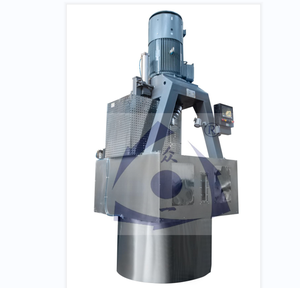
Precision crystal separation with heavy-duty bearing assembly and sanitary grade stainless steel contact parts.
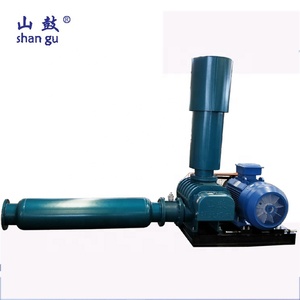
Oil-free positive displacement blower engineered for dense-phase dry powder and crystal pneumatic conveying.
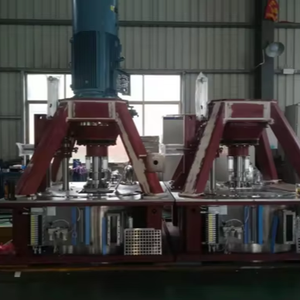
Automated continuous discharge centrifuge optimized for mother liquor recovery and crystal wash cycles.
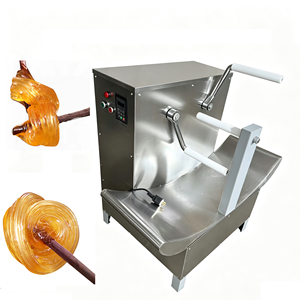
Heavy-duty aeration and batch pulling equipment for specialized confectionery and bakery sweetener bases.
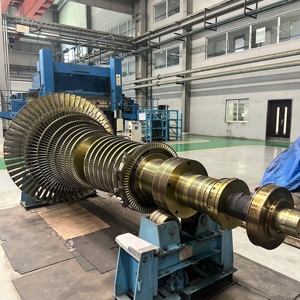
High-efficiency combined heat and power (CHP) generation set for enterprise-scale sweetener chemical plants.
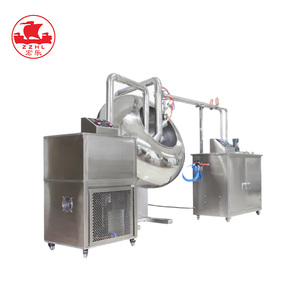
Precision temperature-controlled coating drum for micro-encapsulation of active ingredients and sweeteners.
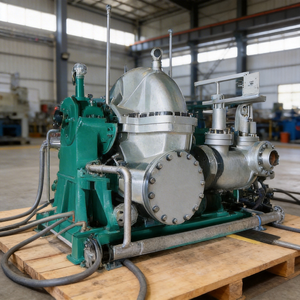
Heavy mechanical drive turbine designed for direct coupling with industrial compressors and boiler feedwater systems.
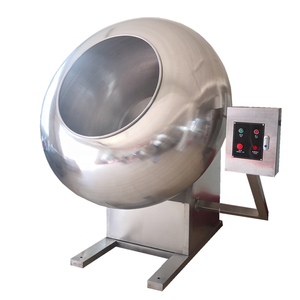
PLC-driven stainless steel coating turbine featuring spray atomization and automated airflow velocity controls.
From bulk raw sugar refinement to high-potency synthetic sweeteners, our global distribution infrastructure bridges mill-level manufacturing with precise factory floor delivery.
Every lot of Sodium Saccharin, Dextrose, or Liquid Sucrose ships with verified Certificates of Analysis. Fully compliant with USP, BP, EP, and FCC specifications, backed by Kosher, Halal, and Non-GMO certifications.
Strategically located warehouse networks ensure truckload and pallet releases happen in days rather than weeks. We shield your production schedule from global mill delays and port congestion.
Awarded supply agreements with primary global producers allow us to secure competitive spot pricing and multi-year fixed contracts for enterprise buyers in beverage, pharma, and food manufacturing.
Sodium Saccharin (CAS No. 128-44-9, E954) remains one of the most commercially vital, heat-stable, non-nutritive high-intensity sweeteners in the global food, beverage, oral care, and pharmaceutical industries. Approximately 300 to 500 times sweeter than sucrose with zero calorie load, it serves as an indispensable formulation tool for cost reduction, calorie control, and chemical stability.
When conducting vendor assessments for procurement, enterprise buyers must look beyond headline per-kilogram prices. Evaluating top global manufacturing facilities requires rigorous audit parameters including synthesis route purity (Remsen-Fahlberg vs. Maumee Process), heavy metal thresholds, particle mesh consistency, and environmental compliance footprints.
Key Takeaway for B2B Procurement Officers: Sourcing Sodium Saccharin requires strict verification of impurity profiles. Key technical markers include ortho-toluenesulfonamide (o-TSA) and para-toluenesulfonamide (p-TSA) levels, which must remain strictly below 10 ppm to satisfy FDA and EFSA regulatory thresholds.
The global manufacturing landscape is concentrated primarily across mainland China, India, Western Europe, and North American specialized chemical re-packagers. Below is an overview of how leading manufacturing centers compare across key operational criteria:
Accounting for over 70% of global output, top-tier factories in Shandong, Jiangsu, and Zhejiang leverage fully backward-integrated phthalic anhydride feedstocks. High-capacity crystallization centrifuges ensure crisp particle mesh separation (12-20 mesh, 20-40 mesh, 40-80 mesh spray dried).
Specializing heavily in USP/BP pharmaceutical grade soluble and insoluble saccharin. Production lines place heavy emphasis on low heavy-metal yields (< 10ppm Lead, < 5ppm Arsenic) tailored for oral suspension and tablet masking.
Focusing on high-purity, low-dust granular formats and specialized blends combining Sodium Saccharin with Cyclamate or Neotame to achieve neutral taste curves for premium beverage manufacturing.
DOMESTIC re-packaging facilities offering 50 lb bags, 25 kg fiber drums, and 1,000 kg supersacks. Provide rapid delivery contracts, private label tolling, and strict domestic lot-traceability support.
Modern food chemistry has shifted away from single-agent sweetening. Formulators increasingly combine Sodium Saccharin with bulking polyols like Erythritol, Xylitol, and Sorbitol or high-intensity partners like Sucralose and Stevia. This synergy masks bitter metallic tail-notes while dramatically lowering bulk formulation costs per batch.
Tightening global carbon compliance and ESG frameworks are driving top-tier factories to replace traditional acid-base neutralization loops with continuous electro-dialysis membrane purification. This technology reduces wastewater volume by up to 45% and yields crystal purities exceeding 99.5% on an anhydrous basis.
In response to global freight volatility, enterprise food and beverage buyers are transitioning from just-in-time spot purchasing to index-linked annual supply contracts paired with localized buffer stock storage. Maintaining 30 to 60 days of safety inventory at domestic warehouses (such as US Sweeteners’ nationwide nodes) shields continuous production lines from geopolitical and maritime disruptions.
Procurement Trend Watch: Automated continuous-dosing systems in modern beverage and bakery facilities require granular particle size consistency (40-80 mesh) to avoid dust caking and pump blockage during pneumatic loading.
Common technical, regulatory, and logistics questions answered by our chemical procurement and quality assurance team.
Soluble Saccharin is the sodium salt form (Sodium Saccharin), which readily dissolves in water (approx. 1000 g/L at 20°C), making it ideal for beverages, liquid formulations, and syrups. Insoluble Saccharin (Saccharin Acid) has very low water solubility and is predominantly used in solid pharmaceutical tablets and specialized dry applications.
Commercial pricing tracks chemical raw material costs (phthalic anhydride or methyl anthranilate), sea freight indexes, and volume scale. Spot orders and annual fixed contracts price differently. Quotes are customized based on purity grade, particle mesh size, packaging format, and final delivery dock destination.
Always request a full Certificate of Analysis (COA) confirming compliance with USP (United States Pharmacopeia), BP (British Pharmacopeia), or EP (European Pharmacopeia). Ensure your supplier provides Kosher, Halal, ISO 22000 / FSSC 22000, and Allergen-Free documentation.
Dry Sodium Saccharin is typically packed in 25 kg poly-lined cardboard cartons or multi-wall paper bags, 25 kg fiber drums for pharma applications, and 500 kg to 1,000 kg supersacks for high-volume automated processing plants.
Sodium Saccharin has an exceptional shelf life of up to 5 years when stored in its original sealed packaging in a cool, dry, well-ventilated area (below 25°C and < 65% relative humidity) away from direct sunlight and strong odors.
Unlike Aspartame, which breaks down under heat, Sodium Saccharin is exceptionally heat-stable up to 250°C (482°F). It retains its sweetness profile through intensive baking, pasteurization, UHT beverage sterilization, and extruded snack manufacturing.
Connect directly with our global procurement specialists to access batch COAs, request sample packages, or lock in multi-quarter contract pricing for Sodium Saccharin and refining equipment.