Export-Grade Raw Cane Sugar, Golden Granular Crystals & Custom ICUMSA Formulations
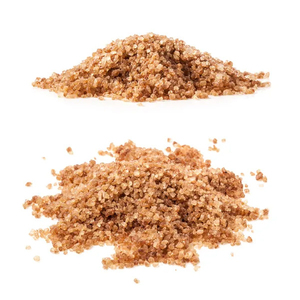
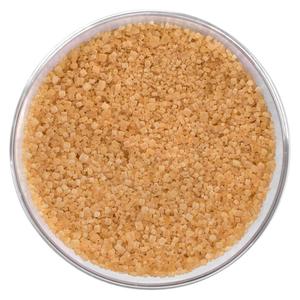
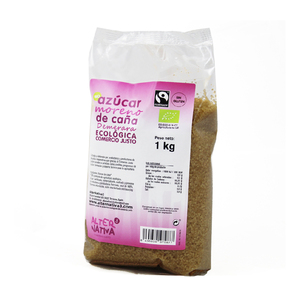

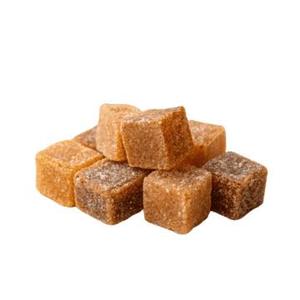
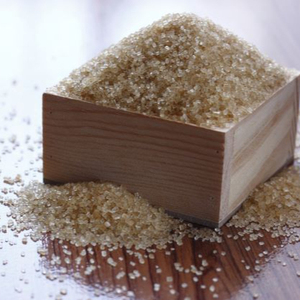
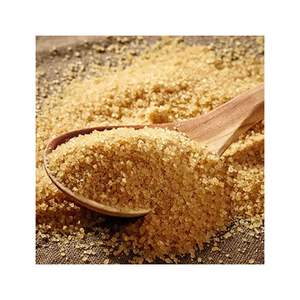
Demerara sugar is a specialized, minimally refined cane sugar product renowned for its large, dry, golden-hued crystalline structure and subtle natural caramel aroma. Originally produced in the Demerara region of South America, modern industrial manufacturing has evolved significantly. Top Chinese sugar refineries and processing plants utilize state-of-the-art continuous crystallization and high-speed centrifugal separation technologies to produce Demerara sugar that strictly adheres to international food-grade standards (such as ICUMSA ratings ranging from refined 45 to natural raw 1800–4500).
Unlike standard dark brown sugar—which is often created by retrofitting fully refined white sucrose crystals with a coating of commercial molasses—authentic Demerara sugar retains a native layer of natural cane molasses directly surrounding its sucrose crystal lattice. This structural characteristic imparts superior thermal tolerance during industrial baking, prevents rapid caramel collapse, and delivers a distinctive crunch and deep organoleptic profile desirable in premium confectionery, craft brewing, and gourmet sauce formulations.
When procuring bulk Demerara sugar for industrial manufacturing, food engineers and procurement officers evaluate several key chemical parameters. Below is a comparative technical matrix illustrating how raw Demerara compares against alternative unrefined and refined sucrose options available in the wholesale global supply chain:
| Sugar Classification | Polarization (Sucrose %) | ICUMSA Color Unit | Moisture Content | Typical Crystal Size | Primary Industrial Use |
|---|---|---|---|---|---|
| Raw Demerara Sugar | 98.50% – 99.40% | 1800 – 4500 ICUMSA | < 0.10% | 0.80mm – 1.40mm | Topping sugar, Artisanal Baking, Distilling |
| Refined Demerara Grade | 99.50% – 99.90% | 45 – 400 ICUMSA | < 0.05% | 0.60mm – 1.00mm | Dry Mixes, Syrups, High-Speed Bottling |
| Turbinado Sugar | 99.00% – 99.60% | 800 – 1500 ICUMSA | < 0.08% | 0.50mm – 0.90mm | Tabletop Sweeteners, Beverage Formulations |
| Industrial Dark Brown | 94.00% – 96.50% | 6000 – 10000 ICUMSA | 2.50% – 4.00% | 0.35mm – 0.50mm | Sauces, Marinades, High-Moisture Dough |
| Standard Refined White | > 99.90% | < 45 ICUMSA | < 0.04% | 0.40mm – 0.60mm | Universal Sweetener, Beverage Base |
The strategic sourcing of cane sugar—specifically specialty products like organic Demerara—is undergoing a profound transformation driven by consumer demands for clean-label clarity, international trade shifts, and dynamic environmental regulations governing agricultural processing hubs.
Global food beverage conglomerates are systematically auditing their ingredient decks to replace highly processed high-fructose corn syrups (HFCS) and chemical artificial sweeteners with minimally processed, transparently sourced cane sugars. Unrefined Demerara sugar offers an attractive middle ground: it provides functional bulk sweetening while allowing manufacturers to claim "Unrefined Cane Sugar" or "Natural Golden Cane" on front-of-package marketing.
Historically reliant on South American or South Asian sugar mills, European and North American procurement directors are increasingly establishing direct mill contracts with top Chinese manufacturers. Chinese refineries have invested heavily in ultra-clean continuous centrifugal purification systems, multi-stage evaporation loops, and automated packaging cleanrooms. By holding floor inventory and maintaining port-adjacent warehousing, Chinese export factories provide shorter lead-times and immune supply buffers against regional weather anomalies in traditional sugarcane-growing belts.
Industrial buyers no longer view organic certification as a niche requirement. Regulatory shifts in the European Union and North America mandate rigorous pesticide residue screening, non-GMO compliance, and full ESG (Environmental, Social, and Governance) traceability. Leading Chinese Demerara factories now maintain dual USDA Organic and EU Organic certifications alongside BRCGS, Kosher, and Halal accreditations, streamlining cross-border compliance for multinational buyers.
To stay competitive, sugar manufacturing facilities in China are adopting advanced material science and automated process controls to overcome historical product limitations, such as crystal size variance and caking tendencies during multi-month ocean transport.
Automated optical sorting equipment measures and filters crystal dimensions in real-time, eliminating dust fines and guaranteeing uniform mesh distributions for industrial baking lines.
Factories utilize modified atmosphere packaging (MAP) and desiccant-lined multi-wall bags to stabilize moisture content below 0.05%, preventing block caking in maritime shipping containers.
High-Performance Liquid Chromatography (HPLC) is integrated on production floors to issue precise Lot-Specific Certificates of Analysis (COA) detailing sucrose, invert sugar, and trace heavy metal content.
Partnering with established Chinese sugar producers and global distribution allies (such as US Sweeteners) combines high-capacity manufacturing with localized logistical agility. This operational model directly addresses the primary pain points experienced by commercial procurement executives:
Below are technical answers to common questions raised by industrial procurement managers, food scientists, and logistics coordinators prior to placing high-volume orders.
Connect with our senior technical procurement staff to receive custom ICUMSA specifications, sample kits, container shipping rates, and guaranteed spot/contract price quotations.
Get a Quote