High-performance processing machinery, high-speed sugar centrifuges, pneumatic systems, and commercial chocolate/syrup coating turbines engineered for global food export operations.
In the contemporary global food processing and beverage manufacturing ecosystem, sugar syrups—including liquid sucrose, High Fructose Corn Syrup (HFCS 42/55), maltose syrup, glucose syrup, and inverted sugar syrups—serve as foundational functional ingredients. As global demand expands across confectionery, baking, beverage batching, and pharmaceutical formulations, procurement officers require highly scalable, quality-assured, and cost-efficient supply chain partners. China has emerged as the premier world benchmark for industrial-scale carbohydrate refining, leveraging advanced enzymatic hydrolysis, multi-stage ion-exchange resin purification, and continuous closed-loop evaporative technology.
This technical white paper evaluates China’s sugar syrup factory infrastructure, detailing technical specification metrics (Brix, DE values, color ICUMSA, pH, microbial standards), logistical flexitank management, factory engineering synergies, and actionable procurement insights for global B2B buyers seeking superior information gain and supply chain resilience.
Leading Chinese sugar syrup exporters operate automated bioconversion complexes utilizing thermostable alpha-amylase and glucoamylase enzymes. This allows micro-precise control over Dextrose Equivalent (DE) profiles, preventing unwanted crystallization during long-distance oceanic freight while optimizing relative sweetness curves.
Selecting the optimal sugar syrup formulation requires an intimate understanding of carbohydrate composition, osmotic pressure tolerances, and Maillard reaction kinetics during processing. China's top refineries supply custom-tailored industrial syrups tailored to diverse regional regulations and functional needs.
| Syrup Classification | Standard Brix (°Bx) | DE / Fructose Ratio | Primary Industrial Applications | Export Packaging Formats |
|---|---|---|---|---|
| High Fructose Corn Syrup (HFCS 55) | 77.0% - 78.5% | 55% Fructose / 42% Glucose | Carbonated soft drinks, RTD teas, sports beverages, dairy dosing | ISO Tanks, Flexitanks (24 MT), 275-Gal IBC Totes |
| High Fructose Corn Syrup (HFCS 42) | 70.5% - 71.5% | 42% Fructose / 52% Glucose | Baking, processed foods, canned fruits, condiment sauces | Flexitanks, 200L Steel/HDPE Drums, IBC Totes |
| Liquid Sucrose (Cane / Beet Invert) | 67.0% - 75.0% | Total / Partial Inversion | High-end beverage batching, confectionery, clear jellies | Aseptic Flexitanks, Food-Grade Stainless Tankers |
| Maltose Syrup (High Maltose) | 75.0% - 85.0% | DE 40 - 50 (Maltose > 50%) | Hard candies, beer brewing adjuncts, frozen desserts, jam solids | Flexitanks, 300kg HDPE Drums, IBC Totes |
| Liquid Glucose Syrup | 80.0% - 85.0% | DE 38 - 60 | Fondant manufacture, chewy caramel, baked goods moisture binding | 250kg Steel Drums, 1.4 MT IBC Totes, Flexitanks |
| Flavored Brown Sugar & Molasses Syrup | 70.0% - 78.0% | Rich Mineral / Sucrose Matrix | Boba tapioca pearls, dark craft beers, bakery color/flavor development | 25kg Food Pails, 200L Drums, Custom Private Label |
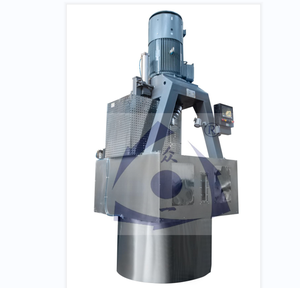
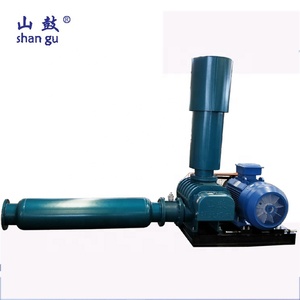
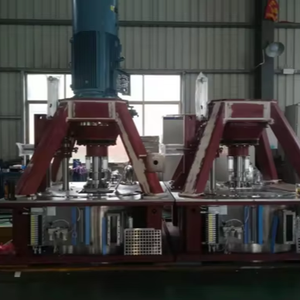
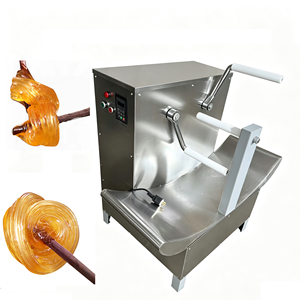
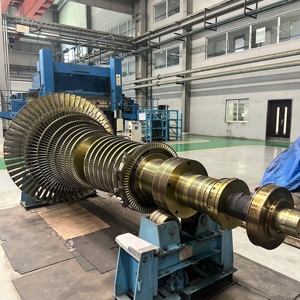
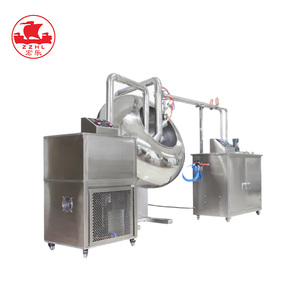
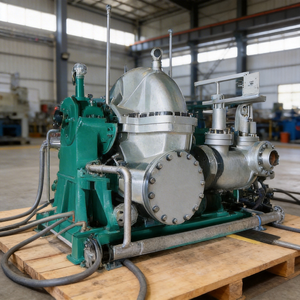
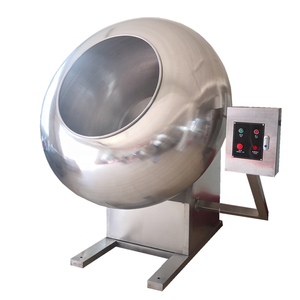
A distinctive advantage of top China sugar syrup manufacturing conglomerates is their total backward integration into sugar mill industrial equipment design and fabrication. As illustrated in our product matrix, state-of-the-art Chinese syrup factories do not merely produce liquid sweeteners; they engineer and optimize the very machinery that powers the process:
B2B sweetener procurement is undergoing structural transitions driven by geopolitical realignments, sustainability mandates, and food technology innovations. Strategic buyers must account for four decisive industry trends:
Leading Chinese exporters are setting global benchmarks by converting agricultural waste (such as bagasse and corn cob residue) into high-pressure thermal energy via modern bagasse steam turbine generators. This self-sustaining energy loop insulates factories from fossil fuel price volatility, offering international importers stable multi-year contract pricing and reduced Scope 3 carbon emission metrics.
The global shipping paradigm has moved away from traditional small-format steel drums toward single-use food-grade multi-layer PE/PP Flexitanks (24,000-liter capacity) installed inside 20-foot ocean containers. This logistics format maximizes container payload capacity by up to 40%, slashes labor handling costs at destination discharge ports, and eliminates drum cleaning charges.
European and North American buyers increasingly require complete lot traceability from feedstock corn fields or sugarcane plantations to final syrup totes. Top Chinese exporters provide comprehensive documentation—including HPLC carbohydrate fingerprinting, heavy metal spectrographic analysis, pesticide screen certificates, Non-GMO Project Verification, and Halal/Kosher accreditations.
Fluctuating sea route temperatures can induce destructive sugar crystallization inside flexitanks during transit through cold marine climates. Advanced Chinese refineries incorporate precise ratio inversion (splitting sucrose into glucose and fructose via invertase or enzymatic hydrolysis) to adjust the solubility threshold, maintaining water activity ($a_w$) stability and fluid viscosity throughout long transit periods.
Every export batch undergoes rigorous 14-point testing protocols: ICUMSA color rating, Refractive Index Brix verification, microbial panel screening (E. coli, Salmonella, yeasts, molds), heavy metal testing via ICP-MS, and SO2 residue quantification.
When selecting a primary B2B sugar syrup vendor, global food manufacturers assess long-term operational resilience, product uniformity, and total cost of ownership (TCO). Chinese sugar syrup factories stand out due to several core structural capabilities:
Operating mega-refineries capable of processing over 1,500 metric tons of liquid sweetener daily guarantees continuous inventory availability even during global agricultural supply shocks.
Utilizing continuous Simulated Moving Bed (SMB) chromatography ensures precise glucose-fructose separation, enabling hyper-consistent HFCS 55 ratios without batch-to-batch deviation.
From specific Brix formulations (e.g., 71°Bx vs 82°Bx) to customized packaging formats, factories deliver full white-label solutions tailored to brand-owner requirements.
Below are authoritative technical answers addressing common questions from international buyers, procurement managers, and food scientists when sourcing sugar syrup from China.
Refineries engineer the carbohydrate composition by maintaining precise ratios of glucose, maltose, and higher oligosaccharides, or by utilizing enzymatic inversion. For high-Brix syrups (>80°Bx), controlling the water activity and maintaining a balanced DE value suppresses sucrose nucleation. Additionally, flexitanks can be equipped with thermal heating pads for easy unloading at cold destination ports.
Under recommended storage conditions (cool, dry environment below 25°C/77°F in sealed original containers), liquid glucose and HFCS typically exhibit a 12-to-24-month shelf life. High-Brix syrups act as self-preserving solutions due to high osmotic pressure, which naturally inhibits microbial proliferation.
Yes. Chinese factories frequently adjust Brix specs (e.g., from standard 70°Bx up to 85°Bx) and tune viscosity parameters using multi-stage vacuum falling-film evaporators to align precisely with client batching requirements.
Every export shipment is accompanied by a batch-specific Certificate of Analysis (COA). Standard plant accreditations include FSSC 22000, ISO 9001, ISO 22000, HACCP, Halal (JAKIM/MUI compliant), Kosher (Pareve), and Non-GMO Project Verification.
Flexitanks feature bottom-discharge 2-inch or 3-inch food-grade ball valves. Liquid syrup is pumped directly into plant storage silos using positive displacement pumps or peristaltic pumps. Thermal heating blankets can be connected 4–6 hours prior to discharge if viscosity increased during winter shipping.
Standard export MOQ begins at one 20-foot FCL, which holds approximately 24 Metric Tons in a single flexitank, or 20 Metric Tons packed in 80 HDPE drums on pallets. For specialized trial formulations, sample orders can be dispatched via air freight in food-grade pails.
HFCS 55 contains 55% fructose, matching the sweetness intensity of inverted sucrose, making it the preferred standard for soft drinks and liquid beverages. HFCS 42 provides mild sweetness (approx. 90% of sucrose) with superior humectancy and browning characteristics, ideal for baking, sauces, and canned goods.
Factories utilize activated carbon decolorization and double-pass reverse osmosis ion-exchange resin columns. This rigorous purification process strips out heavy metals (Lead, Arsenic, Cadmium, Mercury to <0.1 ppm levels) and removes any trace pesticides, fully satisfying strict European EFSA and US FDA purity standards.
Yes. Machinery exports are built to international standards (including ASME, CE, and ISO compliance). Flange dimensions, electrical voltages (380V–480V, 50/60Hz), and PLC controls (Siemens/Allen-Bradley) are fully customized to integrate seamlessly with existing processing lines.
Standard syrup formulations ship within 7 to 14 business days from contract sign-off. Custom Brix mixes or private-label printed drums typically ship within 14 to 21 days, departing directly from major Chinese ports such as Qingdao, Tianjin, Shanghai, or Guangzhou.
Request customized technical spec sheets, competitive bulk pricing quotes, or sample shipments for your production testing. Our engineering team is ready to assist your procurement needs.
Contact Us