Industry Procurement Insight: Modern food manufacturing and nutraceutical processing demand more than basic sweetness. Inulin powder functions as a zero-glycemic prebiotic binder, fat replacer, and texture enhancer. Sourcing directly from an established supplier ensures precise control over the Degree of Polymerization (DP), powder particle mesh size, and thermal gelation stability for industrial scale-up.
High-grade native inulin, long-chain fructans, short-chain oligofructose, and specialized industrial sugar refinery infrastructure.
Inulin is a heterogeneous collection of fructose polymers consisting of chain-like β(2→1) fructosyl-fructose linkages, terminating with a single glucosyl unit α(1→2). Extracted primarily from Chicory Root (Cichorium intybus) and Jerusalem Artichoke (Helianthus tuberosus), inulin serves as an exceptional functional hydrocolloid and nutritional fiber across the global food science industry.
When evaluating a trusted inulin powder supplier, enterprise buyers must scrutinize the Degree of Polymerization (DP). The DP directly dictates solubility, viscosity, thermal stability, organoleptic properties, and metabolic digestion rates. Native chicory inulin typically displays a DP ranging from 2 to 60, with an average DP of 10 to 12. Through specialized enzymatic fractioning or physical purification, specialized suppliers deliver distinct industrial fractions:
| Inulin Powder Grade | Avg. Degree of Polymerization (DP) | Solubility (g/L at 25°C) | Gelation Threshold | Primary Industrial Application |
|---|---|---|---|---|
| Native Chicory Inulin Powder | 10 – 12 | ~120 g/L | Moderate (Requires shear) | Standard fiber enrichment, dairy stabilization, baked goods. |
| High Performance (Long-Chain) Inulin | ≥ 23 | < 50 g/L | Strong (Forms creamy gel at 15%) | Fat replacement in emulsions, low-fat spreads, plant-based meats. |
| Oligofructose / Short-Chain Inulin | 2 – 8 | > 750 g/L | No Gel Formation | Humectancy, sugar replacement, high-clarity beverage enrichment. |
| Instantized / Agglomerated Inulin | 10 – 14 | Rapid dispersibility | Quick hydration | Dry powder mixes, instantized protein shakes, sachet packaging. |
One of inulin’s most scientifically verified assets is its ability to form a microcrystalline gel network when thoroughly sheared into water or aqueous phases. High-DP inulin forms small, sub-micron fructan crystals that interact to trap water molecules, mimicking the rich, creamy mouthfeel of lipid globules without contributing caloric density (inulin yields roughly 1.5 kcal/g versus fat's 9 kcal/g). This non-glycemic property renders it an indispensable ingredient for formulation engineers designing keto-friendly, low-sugar, and low-fat SKUs.
Consistently stocked floors, direct-from-mill contracts, and multi-site distribution hub resilience.
Every single pallet of inulin powder ships with a comprehensive Certificate of Analysis (COA). We test every batch via High-Performance Liquid Chromatography (HPLC) for fructan purity, moisture content (<4.5%), heavy metals, ash, and strict microbiological thresholds (Salmonella, E. coli, Listeria zero tolerance).
Holding inventory across strategically positioned global and regional fulfillment hubs, we bypass mill production lead times. We support 50 lb kraft bags, 2,000 lb supersacks, palletized deliveries, and full container load (FCL) spot or annual contract releases within days, not months.
Our raw chicory root extract processing facilities operate under FSSC 22000, ISO 22000, and GMP standards. Products are available with certified USDA Organic, Non-GMO Project Verified, Kosher Pareve, and Halal documentation to clear regulatory audits worldwide.
The global inulin market is experiencing accelerating structural demand, projected to exceed $2.4 billion by 2030. Procuring enterprise quantities requires understanding key systemic shifts shaping the global supply chain:
While Western Europe has historically dominated chicory-derived inulin production, supply chain vulnerabilities caused by unpredictable weather patterns have driven massive investment into alternative geographical sourcing hubs and feedstocks. Jerusalem Artichoke (Helianthus tuberosus) and Agave fructans are emerging as major commercial alternatives. Forward-thinking procurement managers are building dual-source strategies—blending European chicory contracts with high-purity Asian and South American Jerusalem Artichoke or Agave suppliers to mitigate climate-induced crop shortfalls.
Formulators are moving away from broad "one-size-fits-all" fiber powders. The market demands highly tailored DP fractions. Suppliers who possess advanced enzymatic modification lines can deliver specific DP distributions optimized for exact processing conditions—such as high-temperature baking resistance, ultra-low viscosity beverage clarity, or high-gelation refrigerated spreads. Securing a supplier capable of precise particle mesh sizing (e.g., 200+ mesh micro-powder) reduces clumping during automated bulk dissolution.
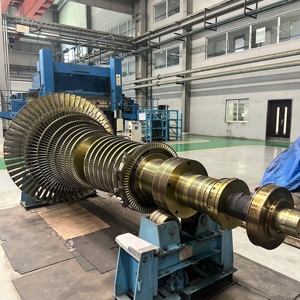
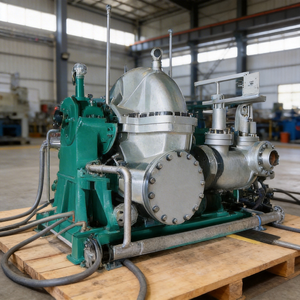
Corporate ESG (Environmental, Social, and Governance) targets are now directly integrated into ingredient procurement criteria. Leading inulin suppliers are implementing closed-loop extraction models: utilizing chicory root pulp biomass in thermal steam turbines to power spray-drying towers (as illustrated in our refinery power infrastructure line), and recycling over 85% of process water through reverse osmosis filtration.
The human microbiome revolution continues to drive consumer demand for synbiotic functional products. Inulin acts as a selective substrate for beneficial gut microbiota, specifically Bifidobacterium species. Because inulin escapes upper digestive tract hydrolysis, it reaches the colon intact, where it is fermented into short-chain fatty acids (SCFAs) such as acetate, propionate, and butyrate. Advanced nutraceutical manufacturers are dry-blending micro-encapsulated inulin powder directly with spore-forming probiotics (e.g., Bacillus coagulans) to ensure shelf-stable, gut-health functionality in bars, powders, and gummies.
With global health policies targeting sucrose consumption, inulin powder is a cornerstone of sugar reduction matrices. Featuring a sweetening intensity of approximately 10% compared to sucrose, inulin is frequently paired with high-intensity natural sweeteners like Stevia extract or Monk Fruit (Mogroside V). Inulin provides the vital physical bulk, freezing point depression, and browning reaction kinetics (via Maillard reaction under heat) that high-intensity sweeteners lack on their own.
Integrating inulin powder into high-speed industrial lines requires precise control over hydration temperature, shear rate, and pH. Below is an operational guidelines matrix for processing engineers:
| Industry Sector | Recommended Inulin Variant | Usage Rate (% w/w) | Functional Objective | Key Processing Considerations |
|---|---|---|---|---|
| Commercial Bakery | Native Powder (DP 10-12) | 3% – 8% | Moisture retention, crumb softness, fiber enrichment. | Increase water absorption by 1% per 1% inulin added to balance dough hydration. |
| Dairy & Ice Cream | High-Performance Long Chain | 2% – 6% | Fat replacement, ice crystal control, creamy texture. | Apply high-shear homogenization above 65°C to fully activate micro-crystal network. |
| Beverages & Juices | Short-Chain / Instantized | 1% – 5% | Clean mouthfeel, zero-cloudiness fiber boost. | Hydrates instantly at room temperature; stable between pH 4.0 and 7.0 above 4°C. |
| Nutraceutical Gummies | Native / Oligofructose Blend | 10% – 25% | Soluble fiber base, sugar-free gelling matrix. | Control cooking Brix carefully; avoid prolonged boiling at ultra-low pH (< 3.2) to prevent hydrolysis. |
Direct answers for procurement officers, QA specialists, and R&D formulators.
Connect directly with our senior ingredient specialists to secure specification sheets, full Certificates of Analysis (COA), sample kits, or spot contract quotes for your production schedule.