High-efficiency extraction, continuous processing, pneumatic transfer, and sugar manufacturing solutions engineered for global food and sweetener plants.
Liquid glucose—often categorized by its Dextrose Equivalent (DE) value—is a foundational hydrolyzed starch derivative widely used in commercial food manufacturing, confectionery, brewing, pharmaceuticals, and industrial fermentations. Derived primarily via controlled enzymatic or acid-enzyme hydrolysis of corn, tapioca, wheat, or potato starch, liquid glucose acts not merely as a sweetening agent, but as a critical functional texturizer, moisture-retention control agent, crystallization inhibitor, and viscosity modifier.
For industrial procurement directors and quality assurance managers, evaluating global suppliers requires a precise understanding of the chemical dynamics, rheological properties, and processing equipment necessary to store, meter, and pump liquid glucose seamlessly into automated mixing tanks. When purchasing bulk liquid sucrose, liquid glucose, or high fructose corn syrup (HFCS), technical teams must evaluate parameters including Brix percentage (typically 80% to 85% total solids), refractive index, SO2 residue levels, microbiological thresholds, and heavy metal specifications.
Operating as a premiere B2B sweetener enterprise since 1987, our supply architecture bridges primary agricultural refining mills with demanding industrial production lines. Every single shipment—from 55-gallon drums and 275-gallon IBC totes to dedicated bulk insulated road tankers—is dispatched under strict FSMA (Food Safety Modernization Act) protocols, backed by lot-specific Certificates of Analysis (COA), Kosher certification, Non-GMO verification, and full bio-engineered ingredient disclosure statement documentation.
Selecting the proper liquid glucose grade dictates the final product's glass transition temperature, Maillard browning reactivity, osmotic pressure, and sweetness index relative to sucrose:
Strategic purchasing of liquid glucose and bulk sweetener ingredients is transitioning from reactive spot-market ordering toward automated, data-driven contract risk management. Commodity volatility across NY Sugar #11 (world raw sugar) and #16 (domestic US refined sugar) contracts, combined with fluctuating corn wet-milling output, demands structured sourcing strategies.
Industrial buyers are combining fixed-price annual contract allocations with indexed spot-market tranches to insulate operations against sudden agricultural disruptions and freight rate spikes.
Consumer pressure is driving demand for IP (Identity Preserved) Non-GMO corn liquid glucose, organic raw cane syrup substitutes, and enzymatic tapioca glucose syrups with total origin traceability.
To guard against logistics bottlenecks, modern manufacturers rely on distributor networks with multi-site warehousing capable of dispatching floor-stocked inventory within 24 to 48 hours.
As sustainability metrics become mandatory across corporate supply chains, liquid glucose suppliers are undergoing rigorous carbon intensity audits. Bulk transport efficiency—maximizing payload tonnage per delivery through lightweight composite insulated tankers—reduces carbon footprints per metric ton delivered. Furthermore, procurement specifications increasingly mandate zero-sulfite residues (SO2-free liquid glucose) to meet clean-label requirements without triggering chemical allergen warnings on final packaged retail items.
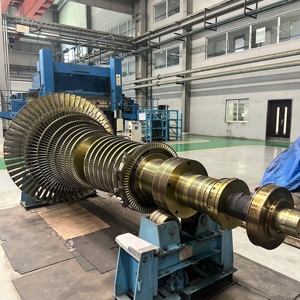
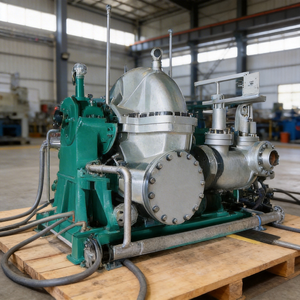
The manufacturing ecosystem for liquid glucose and sugar processing equipment is undergoing a technological transformation. From continuous enzymatic conversion tanks to high-efficiency bagasse steam turbine energy recovery units in sugar mills, processing plants are driving toward net-zero energy consumption and high-yield operational efficiency.
Navigating bulk sweetener sourcing requires a supply partner built specifically around production continuity. We hold inventory directly on our warehouse floors rather than acting as virtual brokers. When a factory production line cannot afford downtime waiting for primary mill refining schedules, our logistics backbone delivers rapidly.
Granulated sucrose, brown, liquid sucrose, HFCS 42/55, dextrose powder, tapioca syrup, organic honey, stevia, erythritol, and maltodextrin always ready for load release.
Every single lot ships with complete technical specification sheets and a Certificate of Analysis detailing purity, moisture, Brix, color rating, and microbiological limits.
Tailored packaging ranging from 50 lb multi-wall bags and 2,000+ lb supersacks to 55-gallon drums, 275-gallon IBC totes, bulk tankers, and custom private label packaging.
Direct technical answers to common questions asked by B2B buyers, formulation scientists, and supply chain directors prior to placing bulk orders.
Standard industrial liquid glucose (such as 42 DE confectioners syrup) is supplied at 80% to 85% Brix (total dry solids). At room temperature (25°C/77°F), viscosity ranges between 50,000 to 150,000 centipoise (cP). Heated tank storage or warm pumping lines (typically 35°C–45°C) are recommended to maintain fluid handling efficiency.
DE measures reducing sugar content relative to pure dextrose. A 42 DE liquid glucose provides the ideal balance between graining prevention (anti-crystallization) and moisture control in hard candy, preventing stickiness while providing structural clarity and shelf stability.
Packaging minimums are structured for commercial processing: dry products start at full pallet quantities of 50 lb bags or supersacks; liquid glucose starts at 55-gallon drums or 275-gallon IBC totes, scaling up to dedicated 45,000 lb insulated bulk tankers for continuous lines.
Liquid Sucrose (pure dissolved sugar) offers clean, fast sweet flavor release. High Fructose Corn Syrup (HFCS 55) matches sucrose sweetness closely for beverage applications. Liquid Glucose delivers lower sweetness (roughly 40%–50% of sucrose) but provides superior viscosity, browning control, and bodying properties.
Bulk liquid glucose stored in IBC totes or stainless steel day-tanks should be kept in climate-controlled areas (65°F to 85°F). Tanks should feature sanitary side-mounted mixers or recirculating pumps and UV headspace sterilization lights to prevent condensation-induced microbial growth on syrup surfaces.
Yes. Alongside primary bulk distribution, we offer full private labeling services across standard food-service packaging formats, customized to your exact Brix targets, DE ratios, and brand specifications.
Connect directly with our technical sourcing specialists to receive custom volume quotes, sample specification sheets, or equipment integration consults.