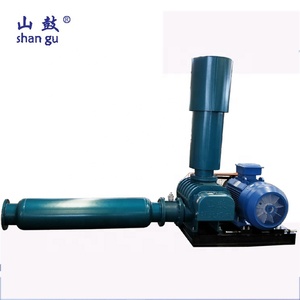
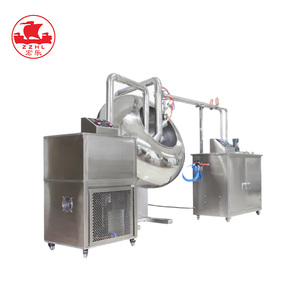
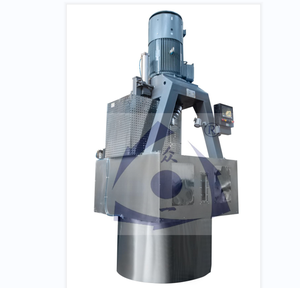
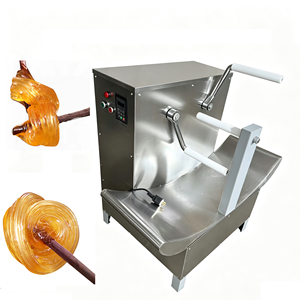
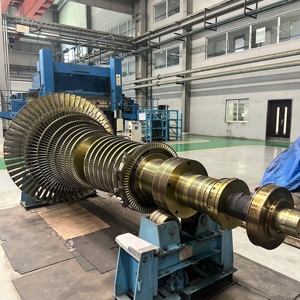
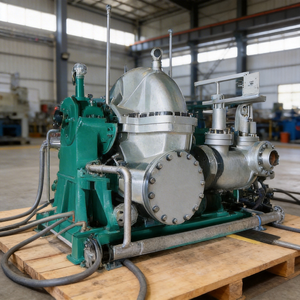
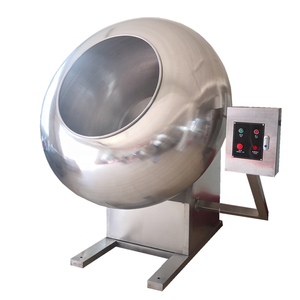
Featured processing systems, high-speed sugar centrifuges, pneumatic blowers, and energy turbines driving world-class tapioca syrup refining facilities globally.
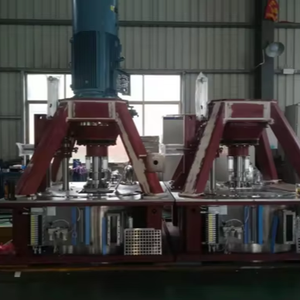
Tapioca syrup, extracted from the starchy storage roots of the cassava plant (Manihot esculenta), has emerged as the premier clean-label sweetening engine for contemporary commercial food manufacturing. Unlike corn syrup—which faces growing consumer resistance due to genetic modification concerns and intensive chemical processing—tapioca syrup offers a naturally hypoallergenic, non-GMO, gluten-free, and neutral-flavored carbohydrate matrix.
At the industrial scale, reputable tapioca syrup factories utilize advanced controlled enzymatic hydrolysis rather than traditional aggressive acid cleavage. Acid hydrolysis often yields off-flavors, unwanted Maillard precursors, and inconsistent saccharide distributions. In contrast, dual-enzyme liquefaction and saccharification—employing thermally stable bacterial α-amylases and fungal glucoamylases—allows precision targeting of specific Dextrose Equivalent (DE) spectrums.
Understanding the carbohydrate profile is critical for research scientists, procurement officers, and master formulators. The conversion degree dictates key physical properties: osmotic pressure, boiling point elevation, freezing point depression, hygroscopicity, viscosity, and direct sweetness relative to sucrose.
| Tapioca Syrup Grade | Dextrose Equivalent (DE) | Major Carbohydrate Composition | Viscosity Profile (at 25°C) | Primary Industrial Applications |
|---|---|---|---|---|
| Low-DE / Clarified Liquid | 27 – 35 DE | High Higher Saccharides (>55%), Low Glucose (<8%) | High (8,000 – 15,000 cPs) | Granola bars, binding matrices, bodying agent, low-sweetness bulk builder. |
| Mid-DE / Standard Confectioners | 40 – 45 DE | Balanced Maltose (28–35%) & Maltotriose (12–18%) | Moderate (3,000 – 6,000 cPs) | Hard candies, gummy bears, chewable vitamins, bakery moisture retention. |
| High-Maltose Tapioca Syrup | 42 – 50 DE (High Maltose) | Maltose > 50%, Low Glucose (<10%) | Low-to-Medium (2,500 – 4,500 cPs) | High-clarity gummies, non-crystallizing frozen desserts, brewing adjuncts. |
| High-DE / Fermentation Grade | 60 – 65 DE | High Glucose (>35%), High Maltose (>30%) | Low (1,200 – 2,500 cPs) | Beverage batching, rapid fermentation, soft chews, quick browning crusts. |
By precisely manipulating the DE, top trusted tapioca syrup factories provide tailored functional viscosity and freezing-point depression curves required for high-throughput automated lines, preventing micro-crystallization and cold-flow distortion in gummies or confectionery SKUs.
A world-class tapioca syrup manufacturing facility operates as a continuous closed-loop bioprocessing ecosystem. Refining high-purity syrup demands heavy industrial hardware engineered for continuous sanitary operation, thermal efficiency, and precision phase separation.
During the primary slurry clarification phase, SS304/316L high-speed centrifuges (501–1000L/h+ capacity) remove insoluble root fibers, lipids, and denatured protein flakes. Continuous liquid-solid centrifugal separation guarantees a crystal-clear syrup base with turbidity specs below 5 NTU prior to carbon filtration.
Request Centrifuge SpecsMoving dry raw tapioca starch granules and powdered syrup solids through the refinery requires heavy-duty Roots blowers operating under positive-pressure pneumatic conveyance. Controlled velocity prevents grain shear, dust accumulation, and risk of combustible static discharge during mass unloading.
Inquire Conveying SystemsModern sustainable sugar mills and tapioca refineries integrate 1MW–5MW Steam Turbine Generators fueled by agricultural bagasse biomass. High-pressure steam drives electrical power generation for the entire plant while low-pressure bleed steam powers multi-effect vacuum evaporators.
Consult Cogeneration TechAs corporate sustainability goals, stringent food safety laws, and volatile global commodity pricing converge, enterprise procurement officers are radically shifting their sourcing methodologies. Sourcing bulk tapioca syrup is no longer a spot-market transaction; it is a long-term risk-mitigated partnership with certified factories.
Historical procurement contracts specified generic ranges such as "42 DE Tapioca Syrup." However, advanced food physics reveals that two syrups with identical 42 DE ratings can exhibit wildly varying sugar distributions—one high in glucose (inducing unwanted Maillard browning in protein snacks) and another high in maltose (maximizing clarity and shelf stability). Future procurement mandates lot-by-lot High-Performance Liquid Chromatography (HPLC) testing mapping exact mono-, di-, tri-, and polysaccharide fractions.
Tier-1 consumer packaged goods (CPG) brands are enforcing Scope 1, 2, and 3 emissions compliance throughout their supply chains. Tapioca refineries located near raw cassava agriculture reduce post-harvest biomass degradation and transport fuel consumption. B2B buyers now evaluate vendors on effluent water recycling efficiency, biomass-fueled steam turbine usage, and sustainable farming verification.
Global ocean freight disruptions have highlighted the vulnerability of relying exclusively on overseas direct-ship containers. Leading North American distributors hold substantial safety buffer stock—ranging from 50 lb multi-ply paper bags and 2,000 lb supersacks to 275-gallon heated IBC totes and dedicated stainless liquid tankers—spread strategically across regional distribution nodes to guarantee 48-hour delivery windows.
Consumers actively reject high-fructose corn syrup (HFCS) and chemical artificial sweeteners. USDA Organic, EU Organic, and Non-GMO Project Verified tapioca syrup specifications have become table stakes for natural products, bar manufacturers, and premium beverage brands.
Wholesalers and institutional distributors increasingly request private-label packaging direct from the factory floor. Custom-printed drums, tote liners, and co-branded bag artwork streamline downstream retail distribution while maintaining full lot-traceability COA compliance.
The global tapioca processing industry is undergoing a technological revolution driven by biotechnology, continuous process automation, and zero-waste green refining frameworks.
Traditional enzyme dosing involves single-use soluble enzymes added directly to batch tanks, which are subsequently denatured and lost during thermal processing. Emerging top-tier factories are adopting immobilized enzyme column reactors. Starch slurry passes through packed enzymatic beds, enabling continuous hydrolysis with zero residual enzyme protein in the final syrup, drastically reducing allergen risks and thermal haze.
To produce crystal-clear, water-white tapioca syrups matching high-purity sucrose performance, factories are replacing traditional diatomaceous earth filtration with multi-stage ceramic ultrafiltration and dual-bed demineralization ion-exchange resins. This removes trace minerals, organic acids, and color bodies, raising syrup clarity to over 98% transmittance at 420 nm.
With global health mandates targeting sugar reduction, tapioca syrup factories are engineering co-processed functional blends. Combining low-DE tapioca syrup solids with high-intensity natural sweeteners (such as Stevia Rebaudioside-M or Monk Fruit extracts) or sugar alcohols (Erythritol/Xylitol) produces bulk sweetening syrups that reduce total calorie count by 30%–50% while replicating the exact viscosity, mouthfeel, and browning profiles of traditional sucrose.
Partnering with a premier supplier means securing production continuity, uncompromised quality assurance, and direct mill-level pricing advantages.
Every single bulk shipment is dispatched with a lot-specific Certificate of Analysis (COA) issued by ISO/IEC 17025 accredited testing laboratories. Parameters include Brix (°Bx), DE, pH, moisture, micro-counts (TPC, Yeast & Mold, E. coli, Salmonella), heavy metals (As, Pb, Cd, Hg), and pesticide screens.
Our long-term off-take agreements with major primary tapioca wet-milling facilities protect our enterprise customers from wild commodity price swings. We lock in annual volume contracts, securing firm pricing and guaranteed buffer allocations regardless of global market spikes.
Whether your processing line requires 50 lb multi-ply paper bags with poly liners, 2,000+ lb unloader supersacks, 55-gallon steel/plastic drums, 275-gallon IBC totes, or 45,000 lb insulated liquid tankers, our nationwide warehousing network delivers across all 50 states in days.
Expert technical answers regarding specification, storage, order minimums, and regulatory compliance for industrial buyers.
Connect directly with our technical sales engineers. Submit your required Dextrose Equivalent (DE), Brix target, annual volume, and destination zip code for instant specification sheets, samples, and competitive bulk quotes.