Engineered for commercial food plants, beverage bottling facilities, and sugar refining operations across Greater Chicago and North America.
The Greater Chicago metropolitan region represents the single largest food production and processing hub in North America. From industrial bakeries in Elk Grove Village and beverage bottling hubs in Cicero to craft confectioners in West Loop and high-volume cereal plants in Northwest Indiana, Chicago’s food ecosystem relies on an uninterrupted, highly standardized supply of pure sucrose. Among all sweetening agents, bulk beet sugar (Beta vulgaris) stands out as the backbone of Midwest industrial food formulation.
Derived from sugar beets harvested across northern agricultural belts—including the Red River Valley of Minnesota and North Dakota, Michigan, and Idaho—beet sugar provides identical chemical performance to cane sugar. At a molecular level, refined beet sugar is 99.9% pure sucrose ($C_{12}H_{22}O_{11}$). When refined through modern multi-stage crystallization and high-speed centrifugal separation, beet sucrose delivers pristine clarity, consistent ICUMSA color scores (typically < 45 IU for extra fine granulated), neutral flavor profiling, and zero thermal degradation during high-temperature baking and syrup boiling processes.
99.9% pure crystalline sucrose matching cane sugar in molecular composition, specific gravity, and caloric value.
High resistance to premature browning, providing precise control over Maillard reactions in baking and candy panning.
Rapid dissolution kinetics in continuous liquid metering systems, lowering thermal energy inputs in beverage batching.
For Chicago procurement officers, quality control directors, and plant managers, sourcing beet sugar locally eliminates the freight surcharges and port congestion inherent to imported raw cane sugar. By leveraging direct Midwest rail corridors (BNSF, Union Pacific, Norfolk Southern) and regional transloading terminals, our supply chain guarantees Just-In-Time (JIT) deliveries direct to your plant silos, pneumatic hoppers, or liquid mixing tanks.
Beet sugar is not a one-size-fits-all ingredient; its performance varies depending on granulation particle size, moisture content, and dissolution speed. Below are the primary industrial application scenarios across Chicago’s major food sectors:
In high-throughput bakeries producing sliced bread, sweet rolls, biscuits, and dry snack foods, extra fine granulated beet sugar acts as a structural bulk agent and fermentation substrate. During dough mixing, sucrose controls gluten hydration by competing with starch proteins for water molecules. During baking, beet sugar undergoes controlled caramelization and Maillard reaction with amino acids, delivering rich golden-brown crust coloration and texture retention.
Chicago’s thriving beverage sector—ranging from ready-to-drink (RTD) teas and craft sodas to hard seltzers and spirits—demands liquid beet sucrose with minimal turbidity. Pre-dissolved liquid beet sucrose (67° Brix) eliminates the manual labor and energy cost of batch dissolving dry sugar bags. In craft brewing, highly fermentable beet sucrose increases Alcohol By Volume (ABV) without adding body or lingering sweetness, producing clean, crisp flavor profiles in light lagers and IPAs.
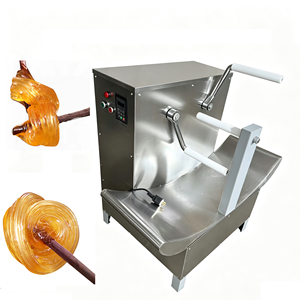
For confectionery processors utilizing sugar pulling machines and chocolate coating turbines, crystal consistency is non-negotiable. Powdered and fine-granulation beet sugars dissolve uniformly during syrup cooking, preventing unwanted micro-crystallization in hard candies. In coating pans, liquid beet syrups form smooth, brilliant outer shells over chocolates, nuts, and chews.
During Midwest winter months, rapid ambient temperature shifts between cold freight transport and warm plant storage can induce condensation inside bulk sugar bags and railcars. We supply moisture-controlled (<0.035%) beet sugar conditioned with food-grade anti-caking parameters and sealed moisture-barrier poly-liners to prevent bridging and caking in automated plant hoppers.
The Chicago food ingredient supply market is undergoing significant structural shifts driven by economic, regulatory, and sustainability drivers:
Midwest-sourced beet sugar bypasses maritime shipping disruptions and import tariffs, providing stable pricing under USDA Sugar Program Title IX rules.
Surging consumer preference for clean labels has accelerated the adoption of Certified Non-GMO Project Verified beet sugar derived from identity-preserved crops.
Direct freight from Great Lakes refining mills to Chicago distribution hubs significantly lowers Scope 3 carbon emissions compared to imported cane sugar.
As food manufacturers optimize their ESG (Environmental, Social, and Governance) scorecards, short-haul regional sourcing of beet sugar has transitioned from a cost-saving tactic to a core corporate sustainability pillar. Furthermore, the integration of advanced co-generation energy systems (such as steam turbine generators running on agricultural biomass) in modern beet sugar processing plants has drastically reduced the lifecycle energy intensity per ton of refined sugar delivered to Chicago docks.
A continuous beet sugar supply chain requires synchronized refinery hardware and plant-level batching equipment. We support both raw sugar refiners and end-use food processors with high-performance machinery engineered for durability and hygiene:
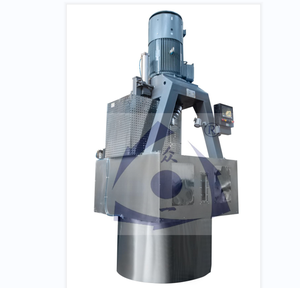
A. High-Speed Centrifugal Separation: In the sugar refining process, separating crystalline beet sugar from mother liquor requires heavy-duty continuous centrifuges. Stainless steel 304/316L high-speed centrifuges operating between 501–1000 L/h allow precise control over moisture and residual molasses removal, producing ultra-bright crystals.
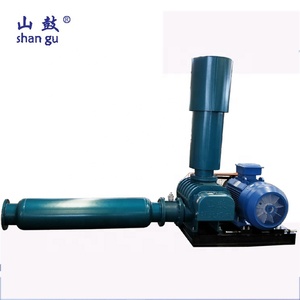
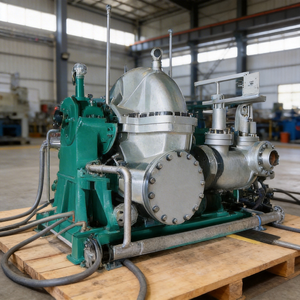
B. Pneumatic Transfer & Roots Blowers: Dry granulated sugar must be moved without crystal fracturing or dust explosion risks. Positive displacement Roots blowers supercharge pneumatic transfer lines, safely conveying bulk dry sugar from railcars and supersacks into plant storage silos at high throughput rates.
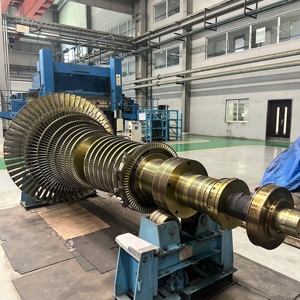
C. Energy Cogeneration in Sugar Processing: Modern sugar mills utilize high-efficiency steam turbine generator systems (ranging from 1MW to 5MW output). By capturing thermal energy from steam boilers, processing facilities achieve self-sustaining electrical power generation, safeguarding production continuity during grid fluctuations.
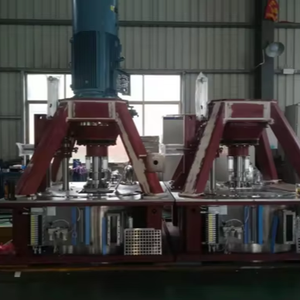
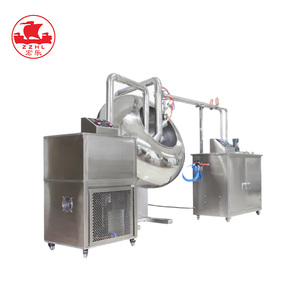
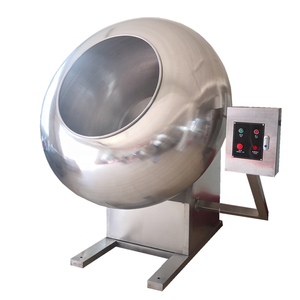
D. Automated Confectionery Coating Turbines: Food manufacturing facilities in Chicago utilizing sugar and chocolate coating turbines benefit from touch-control automation. Variable speed control and precise air-drying temperature management allow uniform sugar-shell crystallization over core products with minimal operator intervention.
Below are authoritative answers to common procurement, technical, and logistical questions regarding bulk beet sugar delivery in the Greater Chicago market:
Choosing the right bulk sweetener supplier is a critical decision that directly impacts operational efficiency, margin control, and product consistency. Here is why enterprise procurement teams across Illinois, Indiana, and Wisconsin choose us:
SQF Level 3, FSSC 22000, and GFSI certified processing partners ensure full lot traceability and audit-ready quality compliance.
Direct rail car positions and contract allocations with major Midwest refineries shield your plant from local distributor markups and unexpected stockouts.
Custom liquid sucrose ratios, invert sugar syrups, dry mesh granulations, and private-label packaging configured to your exact technical master recipe.
Whether you require a single truckload of 50 lb extra fine granulated beet sugar to meet a seasonal production spike or an annual multi-railcar supply contract for a multi-facility operation, our team delivers unmatched technical knowledge and supply assurance.
Connect with our Midwest sweetener sales engineers to receive technical specification sheets, Certificates of Analysis, sample bags, and custom contract pricing tailored to your Chicago facility.
Contact Us