High-efficiency centrifuges, pneumatic transfer roots blowers, power turbines, and thermal processing equipment powering modern US liquid sucrose refining facilities.
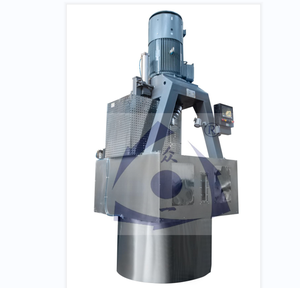
501-1000L/h capacity with SS304/316L material engineering. Designed for precision liquor clarification and high-brix sucrose separation.
Contact Us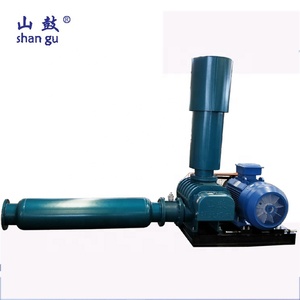
Heavy-duty pneumatic transfer system providing reliable, oil-free pressure blowdown for dry sugar intake and crystal conveyance.
Contact Us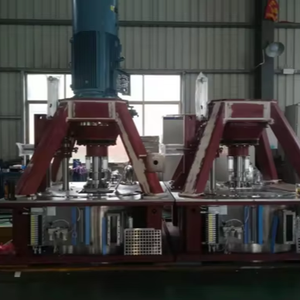
Specialized syrup processing machine featuring high throughput productivity, low kWh/ton metrics, and automated batch cycling control.
Contact Us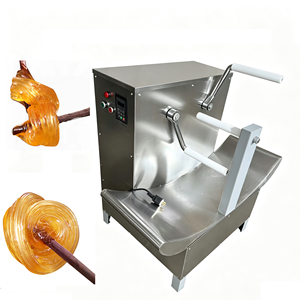
High-torque continuous aerating equipment for aerated confectionery masses, high-viscosity sugar aerations, and specialized syrups.
Contact Us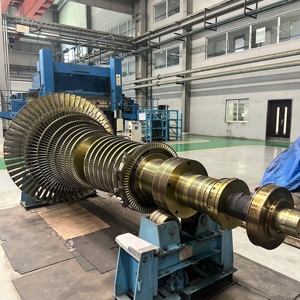
Co-generation power plant turbine system engineered for sugar mill bagasse thermal energy utilization and facility electrification.
Contact Us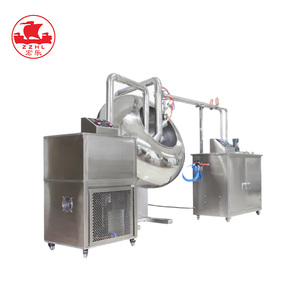
Precision rotary turbine coater featuring controlled ambient humidity blowing, dynamic spray bars, and stainless steel sanitary design.
Contact Us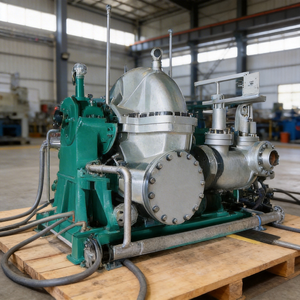
Multi-stage steam turbine prime mover tailored for driving heavy sugar extraction mills, high-capacity pumps, and refinery shredders.
Contact Us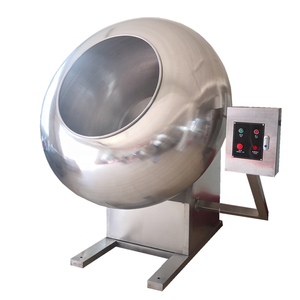
Next-generation automated panning turbine with digital recipe storage, variable speed rotation, and automated liquid sugar dosing.
Contact UsIn the highly competitive US food and beverage manufacturing ecosystem, ingredient consistency dictates line throughput, final product clarity, and shelf-life stability. Beverage Grade Liquid Sucrose (frequently designated in North American industrial manufacturing as Liquid Sugar No. 1 or Low-Color Liquid Sucrose) represents a fully dissolved, aqueous solution of high-purity sucrose derived directly from domestic sugar cane (Saccharum officinarum) or sugar beet (Beta vulgaris) refining processes.
Unlike standard industrial liquid sugar or medium invert syrups, Beverage Grade Liquid Sucrose is strictly refined to remove color precursors, ash, proteins, and trace minerals. For tier-1 beverage facilities—including carbonated soft drink (CSD) bottlers, ready-to-drink (RTD) tea processors, craft breweries, and functional sports drink blenders—maintaining strict physicochemical tolerances is paramount to prevent flock formation, off-flavors, and rapid microbiological spoilage.
US Sweeteners operates in direct alignment with the National Soft Drink Association (NSDA) standards, now integrated into modern ISBT (International Society of Beverage Technologists) liquid sweetener recommendations. Every tanker load or tote delivered to North American plants is validated against rigid Certificate of Analysis (COA) protocols:
| Parameter / Quality Test | Beverage Grade Specification | Industrial Grade Comparison | Analytical Test Method |
|---|---|---|---|
| Solids (Brix Value) | 67.0% – 68.0% Brix | 66.0% – 67.5% Brix | Digital Refractometer (@ 20°C) |
| ICUMSA Color (RBU) | ≤ 35 Units | 45 – 150 Units | GS2/3-9 Spectrophotometric |
| Invert Sugar Content | ≤ 0.50% (Max) | 1.0% – 5.0% (Medium Invert) | Lane-Eynon Volumetric Method |
| pH Range | 6.5 – 8.0 | 5.0 – 7.0 | Direct Electrometric pH Meter |
| Turbidity / Clarity | ≤ 20 NTU (Crystal Clear) | > 50 NTU (Slight Haze) | Nephlometric Turbidimeter |
| Ash Content (Sulfated) | ≤ 0.03% | ≤ 0.10% | Gravimetric Ashing (@ 600°C) |
| Microbiological Limits | Mesophilic Count < 200 CFU/10g Yeast & Mold < 10 CFU/10g |
Mesophilic Count < 500 CFU/10g Yeast & Mold < 50 CFU/10g |
Membrane Filtration (Incubated) |
Maintaining a precise dry solids level of 67.0° to 68.0° Brix represents the thermodynamic ideal for bulk storage in North American climate zones. At 67.5° Brix, the sucrose solution approaches maximum saturation without exceeding the critical crystallization threshold under typical ambient warehousing conditions (65°F – 80°F), while concurrently exerting sufficient osmotic pressure to inhibit spontaneous bacterial proliferation during storage.
Why modern US beverage plants are converting dry granulated sucrose lines to pre-metered liquid sucrose delivery systems.
Eliminate gas-fired batch heaters, high-shear mixing tanks, and steam expenditure. Pre-dissolved liquid sucrose arrives tank-ready for immediate continuous dosing.
Removing dry bag dumping reduces airborne sugar particulate hazards, complies with OSHA combative dust regulations, and maintains cleanroom air quality.
Every tanker delivery includes a lot-specific COA covering ICUMSA, microbiological limits, heavy metals, pesticide screens, and complete FSMA 204 chain of custody.
High-purity liquid sucrose integrates directly into automated mass flow meters (Coriolis meters), eliminating batch weighing errors and optimizing recipe consistency.
All bulk deliveries utilize insulated 316-stainless steel liquid tankers equipped with HEPA-filtered air unloading pumps and verified Wash Certificates.
Transitioning from palletized storage to bulk liquid tanks unlocks floor space, reduces fork-truck traffic, and streamlines warehouse labor allocation.
Supplying bulk sweetener products across the United States requires a deeply resilient logistical footprint. Because liquid sucrose contains approximately 32.5% water, regional warehousing and strategic terminal locations dictate landed economics. US Sweeteners operates a multi-site distribution network anchored by our hub facilities in Brooklyn, NY, enabling high-frequency deliveries across key North American manufacturing corridors.
1. Northeast & Mid-Atlantic Bottling Hubs (New York, Pennsylvania, New Jersey, Massachusetts):
The high concentration of premium RTD teas, craft sodas, and carbonated waters in the Northeast demands low-color liquid sucrose (ICUMSA < 35). High ambient water quality requirements mean processors cannot tolerate dissolved ash or colloidal organics. US Sweeteners provides 24-to-48-hour short-haul bulk tanker dispatches to plant receiving docks equipped with automated liquid CIP (Clean-In-Place) systems.
2. Midwest Dairy & Craft Beverage Belt (Wisconsin, Illinois, Ohio, Michigan):
From flavored milk formulation and ice cream mix manufacturing to high-gravity brewing additions, liquid sucrose provides rapid solubility without disrupting thermal pasteurization loops. In dairy applications, maintaining strict microbiological controls (Thermophilic spore counts < 100 CFU/10g) prevents premature shelf-life degradation in high-HTST processing.
3. Sunbelt & West Coast Scale Facilities (Texas, Florida, California, Georgia):
In high-volume bottling facilities running continuous lines producing thousands of cans per minute, supply continuity is essential. US Sweeteners utilizes dedicated 5,000-gallon food-grade liquid tankers and 275-gallon IBC totes with standardized 3-inch Tri-Clamp connections for rapid unloading and minimal idle dock times.
Selecting the optimal carbohydrate sweetener requires an understanding of carbohydrate chemistry, molecular osmolarity, sensory perception, and process engineering.
| Sweetener Attribute | Beverage Grade Liquid Sucrose | High Fructose Corn Syrup (HFCS 55) | Medium Invert Liquid Sugar |
|---|---|---|---|
| Carbohydrate Profile | 100% Disaccharide (Pure Sucrose) | 55% Fructose / 42% Glucose / 3% Oligosaccharides | 50% Sucrose / 25% Glucose / 25% Fructose |
| Relative Sweetness (Sucrose = 100) | 100 (Clean, rapid perception) | 99 – 102 (Slightly delayed linger) | 105 – 108 (Enhanced sweetness peak) |
| Acid Inversion Resistance | Controlled; slow conversion in acidic RTDs | Fully stable (already monosaccharides) | Pre-inverted; highly stable in acid pH < 3.0 |
| Maillard Browning Risk | Zero (Non-reducing sugar) | High (Contains free reducing sugars) | Moderate to High (Contains free reducing sugars) |
| Labeling Clarity | "Pure Cane Sugar" or "Liquid Sugar" | "High Fructose Corn Syrup" | "Invert Sugar" or "Cane Sugar" |
In thermal processing applications where heat exposure is elevated (such as hot-fill sports drinks or UHT flavored milks), Liquid Sucrose presents a major technical advantage over corn-derived sweeteners: because sucrose is a non-reducing disaccharide, it does not undergo Maillard browning reactions with amino acids or milk proteins, ensuring zero color darkening or caramel off-flavors during processing.
Procuring industrial sweeteners in the United States requires navigating a dynamic regulatory and economic landscape. Factors shaping procurement decisions include:
Direct technical guidance on bulk liquid sucrose logistics, quality parameters, receiving protocols, and contract pricing.
Directly from established bulk sweetener distributors and refiners. US Sweeteners stocks over 40 bulk sugar and sweetener categories out of primary logistics centers in Brooklyn, NY, and distributed warehousing networks nationwide. Products are delivered in 275-gallon IBC totes, 55-gallon drums, and full insulated bulk liquid tanker loads (45,000–48,000 lbs) with zero retail markup.
Minimum delivery sizes depend on packaging format: Liquid totes start at a single 275-gallon IBC tote (approx. 3,000 lbs of liquid sucrose), 55-gallon drums ship by the pallet (4 drums/pallet), while bulk tanker loads start at 45,000 lbs (approx. 4,000 gallons). Volume pricing incentives apply for continuous tank truck schedules.
Bulk liquid sucrose pricing tracks the underlying domestic sugar commodity market (US Domestic No. 16 Contract), plus refining processing fees, liquid concentration costs, packaging, and freight tariffs. Spot orders reflect current market rates, while annual volume contracts allow beverage bottlers to lock in stable cost-per-pound metrics across 6-to-12-month delivery windows.
Plants receiving bulk tankers require a 3-inch or 4-inch stainless steel sanitary liquid inlet pipe connected to dedicated liquid sucrose storage tanks equipped with sterile air venting (0.2-micron filters) and UV air space disinfection lamps. Tankers are self-unloading via food-grade positive displacement pumps or regulated, air-filtered blowing systems.
When stored in properly sanitized, stainless steel or food-grade FRP tanks with continuous UV headspace illumination and HEPA air filtration, liquid sucrose maintains a shelf life of 30 to 60 days. Tanks should be maintained between 65°F and 80°F to prevent condensation on tank interior walls, which can dilute top-layer Brix and trigger localized yeast growth.
Yes. Every batch and tanker load dispatched by US Sweeteners is accompanied by a comprehensive Certificate of Analysis verifying Brix, ICUMSA color, pH, invert percentage, and microbiological release testing. Bulk liquid tankers also carry a certified Wash Certificate confirming 5-step CIP cleaning prior to loading.
Chemicially, both produce identical pure sucrose molecules ($C_{12}H_{22}O_{11}$) at 67.5° Brix with ICUMSA color under 35. However, beverage brands specifying Non-GMO certification typically mandate Pure Cane Liquid Sucrose. Sensory clarity and organoleptic properties are identical when refined to Beverage Grade specifications.
Yes. US Sweeteners supplies USDA Certified Organic Liquid Cane Sugar and Non-GMO Project Verified liquid sucrose options in totes, drums, and tanker quantities. All certifications are issued at the lot level and registered with relevant organic certifiers.
At 67.5° Brix, liquid sucrose exhibits high osmotic pressure, creating a hypertonic environment that naturally dehydrates and inhibits bacterial growth. Maintaining clean tank headspace via UV lights prevents atmospheric moisture from condensing and diluting the surface syrup.
Yes. In addition to standard 67.5° Brix beverage sucrose, US Sweeteners provides custom Brix dilutions (e.g., 65.0° or 60.0° Brix) and pre-blended liquid invert ratios tailored to specialized high-acid beverage or confectionery production lines.
Since 1987, US Sweeteners has functioned as a central distribution backbone for food and beverage manufacturers across North America. Unlike pure brokers who lack physical inventory control, US Sweeteners maintains strategic floor stock across a nationwide warehouse footprint. Our operating model resolves supply disruptions before they reach your receiving bay:
Complete product spectrum from crystalline sucrose, brown sugar, and dextrose to high-intensity stevia, sucralose, and liquid syrups.
Long-term awarded supply agreements with major domestic sugar refineries and international mills guarantee stable, un-interrupted supply lines.
All facilities maintain rigorous Quality Assurance documentation, including GFSI, Kosher, Halal, Organic, and allergen-free declarations.
Connect with our technical supply team to review lot specifications, lock in contract volume pricing, or schedule a trial tanker delivery to your facility.
Contact Us