Specially formulated for Indonesian food manufacturing, beverage batching, bio-fermentation, and livestock feed applications. Direct factory direct volume with full batch COA compliance.
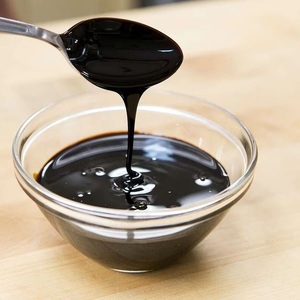
High-purity liquid glucose-fructose matrix tailored for bakery fermentation, confectionery gloss, and animal feed energy fortification in tropical climates.
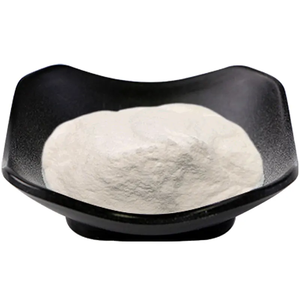
Fermentation-derived sugar complex acting as a natural clean-label shelf-life extender for processed food, processed meat, and beverage formulations.
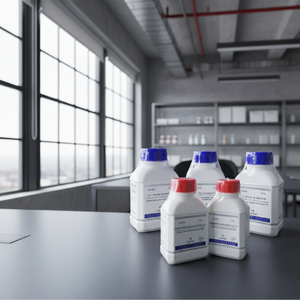
Optimized carbohydrate substrate designed for microbiological culture media, bio-ethanol production, amino acid synthesis, and citric acid fermentation.
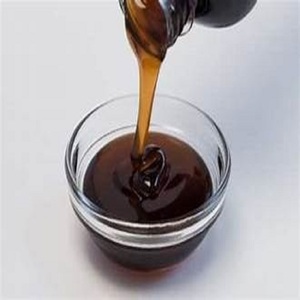
Unrefined natural syrup rich in fermentable monosaccharides, providing moisture retention and natural color for commercial bakery and bulk feed applications.
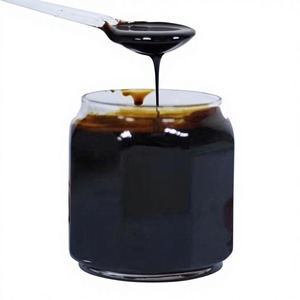
Heavy-grade direct factory molasses rich in fermentable sugars, tailored for industrial ethanol distilleries, MSG synthesis, and agricultural bio-fertilizers.
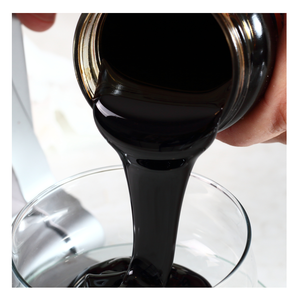
Viscous carbohydrate carbon source sealed in ISO-compliant drums/IBC totes, engineered for livestock feed pelletization and silages in humid climates.
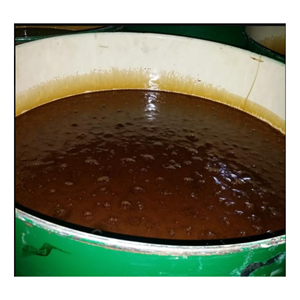
High-volume energy substrate dedicated to yeast cultivation, industrial alcohol plants, biofuel refining, and deep-tank microbial fermentation.
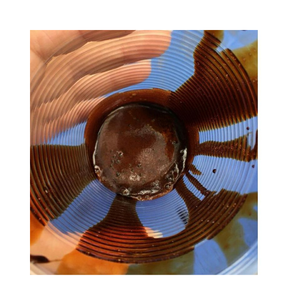
Multipurpose food-grade sweetener powder and syrup solids offering balanced DE value, excellent moisture binding, and anti-crystallization properties.
As the largest economy in Southeast Asia, Indonesia’s food processing sector is undergoing rapid technological modernization driven by domestic consumer demand and export growth across ASEAN. Glucose syrup solids (spray-dried glucose powder) represent a pivotal category of functional carbohydrates produced through the controlled enzymatic or acid hydrolysis of starch. Characterized by a Dextrose Equivalent (DE) range between 20 and 42, these dried glucose hydrolysates provide essential physical, chemical, and nutritional functionalities that raw sucrose cannot achieve.
In high-humidity equatorial climates like Indonesia—where ambient temperatures average 28°C to 34°C and relative humidity routinely exceeds 85%—food raw materials face severe challenges regarding hygrosopicity, moisture migration, caking, and Maillard browning instability. Selecting the optimal DE value, glass transition temperature ($T_g$), and particle size distribution of glucose syrup solids is critical for maintaining structural integrity in instant beverage powders, non-dairy creamers, seasonings, and spray-dried food ingredients.
Glucose syrup solids are complex mixtures of D-glucose (dextrose), maltose, maltotriose, and higher oligosaccharides. The degree of hydrolysis determines the physicochemical performance of the powder in commercial formulations:
Comparative physical & chemical benchmark matrix for bulk purchasing across Jakarta, Surabaya, and Medan food processing hubs.
| Parameter / Specification | DE 24 - 28 Standard Grade | DE 30 - 35 Premium Grade | DE 38 - 42 High-Solubility Grade | Test Method Standard |
|---|---|---|---|---|
| Dextrose Equivalent (DE) | 24.0 – 28.0% | 30.0 – 35.0% | 38.0 – 42.0% | Lane-Eynon Titration / HPLC |
| Moisture Content (%) | ≤ 4.5% | ≤ 5.0% | ≤ 5.0% | Vacuum Oven Drying (105°C) |
| pH (10% Solution) | 4.5 – 6.5 | 4.5 – 6.5 | 4.5 – 6.5 | Potentiometric Digital pH Meter |
| Dry Solids (Brix Equivalent) | ≥ 95.5% | ≥ 95.0% | ≥ 95.0% | Refractometric Calculation |
| Sulfated Ash (%) | ≤ 0.4% | ≤ 0.4% | ≤ 0.5% | Muffle Furnace (550°C) |
| Solubility in Water (20°C) | Rapid (> 98%) | Complete (100%) | Complete (100%) | Gravimetric Dissolution Test |
| Halal Certification Status | BPJPH / MUI Compliant | BPJPH / MUI Compliant | BPJPH / MUI Compliant | Has 23000 Audit Protocol |
Empowering food processors, industrial beverage plants, bio-refineries, and agricultural processing facilities throughout Java, Sumatra, and Sulawesi.
Indonesia is one of the world's largest consumers of 3-in-1 instant coffee mixes and palm-based non-dairy creamers. Glucose syrup solids (DE 28-35) serve as the vital carbohydrate carrier frame. They encapsulate emulsified vegetable fats, prevent fat oxidation, improve coffee dispersibility in hot water, and provide optimal mouthfeel without over-sweetening the beverage profile.
Industrial food flavor houses in Tangerang, Bekasi, and Surabaya utilize low-DE glucose syrup solids as high-efficiency encapsulation matrix carriers. By raising the glass transition temperature of spray-dried chili powders, snack seasonings, and savory extracts, glucose solids prevent moisture absorption and clumping under tropical high-humidity conditions.
In hard-boiled candies, chewy toffees, and gelatin/pectin gummies, glucose syrup solids prevent sucrose recrystallization, control moisture activity ($a_w$), and impart structural elasticity. They stabilize the sugar matrix during cook cycles, producing crystal-clear gummies that remain non-sticky even during regional logistics distribution across tropical islands.
Indonesia hosts major global bio-fermentation installations for MSG, lysine, and citric acid. High-purity glucose syrup solids and liquid glucose extracts act as primary carbon feeding substrates for microbial fermentation tanks, yielding accelerated biomass growth and high bioconversion conversion ratios.
Large-scale industrial bakeries utilize glucose solids to regulate dough rheology, enhance crust browning through controlled Maillard reaction, and retain crumb softness. In wafer biscuits and sandwich fillings, glucose solids deliver smooth cream spreadability and crisp wafer structural strength.
Sumatra and East Java aquaculture farming (shrimp & tilapia) and poultry feed processing utilize glucose syrup solids and molasses extracts as binder matrix agents and quick-release energy substrates, enhancing feed pellet water-stability and palatability.
Under the Indonesian Halal Product Assurance Law (JPH), all food, beverage, and chemical ingredients imported into Indonesia must obtain official Halal Certification issued by BPJPH (Badan Penyelenggara Jaminan Produk Halal) or recognized international halal certification bodies. Industrial buyers must ensure that starch sources, enzymatic hydrolysis processes (alpha-amylase, glucoamylase), and processing aids (activated carbon, filter aids) adhere strictly to Halal Assurance System HAS 23000 standards. Our global manufacturing lines maintain complete traceability with zero animal-derived processing agents, ensuring seamless import clearance at Indonesian customs.
Indonesia’s National Long-Term Development Plan prioritizes downstream food agro-industrialization. As major food conglomerates build modern processing plants in industrial zones such as Cikarang, Karawang, Kendal, and Rungkut (Surabaya), the demand for standardized dry raw materials with high shelf-life stability has surged. Bulk glucose syrup solids are replacing traditional liquid syrups due to reduced liquid transport weight, lower logistics handling costs, and ease of automated pneumatic dry blending.
With the Indonesian Ministry of Health advancing public health initiatives to curb metabolic diseases, food manufacturers are reformulating product lines to manage sweetness intensity while retaining solid body content. Glucose syrup solids permit formulators to replace high-sweetness sucrose with low-DE hydrolysates, providing necessary mouthfeel, bulking volume, and total solids percentage without elevating perceived sweetness.
Importing industrial carbohydrates into Indonesia demands robust logistics capabilities tailored to major seaports including Tanjung Priok (Jakarta), Tanjung Perak (Surabaya), and Belawan (Medan). Due to humid port container yards, packaging integrity is vital. Our export shipments utilize heavy-duty multi-ply paper bags equipped with PE heat-sealed inner liners or moisture-barrier IBC container liners to guarantee zero moisture ingress during maritime transit across the equator.
Why Indonesian food conglomerates and procurement directors partner with our global sweetener distribution network.
Every metric ton shipped is accompanied by a comprehensive Certificate of Analysis covering exact DE range, moisture percentage, microbiological counts (E. coli, Salmonella, molds), and heavy metal compliance. We guarantee total batch-to-batch consistency for automated continuous production lines.
Through long-term production contracts with corn, tapioca, and sugarcane wet-milling facilities, we hold continuous buffer stock. We protect your manufacturing facility against market shortfalls, crop seasonality, and global maritime supply chain disruptions.
Available in 25kg multi-wall kraft paper bags with inner PE liners, 850kg jumbo supersacks (FIBC), or 275-gallon liquid IBC totes. We also offer tailored particle size distribution (fine powder vs. coarse dustless granules) to fit your factory's specific dosing equipment.
Addressing technical, regulatory, and logistics inquiries commonly raised by Indonesian procurement officers and plant managers.
Elevate your product quality, secure stable supply lines, and optimize procurement costs across your Indonesian manufacturing plants. Contact our technical team today for factory-direct quotes and sample kits.