Direct factory supply of pharmaceutical and food-grade Maltitol powders, combined with heavy-duty sugar processing and dewatering infrastructure engineered for high-throughput Australian manufacturing operations.
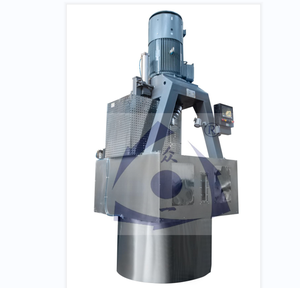
Precision centrifugal liquid-solid separation unit designed for high-purity Maltitol crystal dewatering, featuring food-grade SS316L contact surfaces and variable frequency control.
Send an Inquiry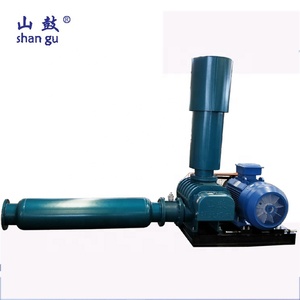
Heavy-duty positive displacement air blower optimized for non-destructive pneumatic conveying of bulk crystalline Maltitol powder across automated food batching plants.
Send an Inquiry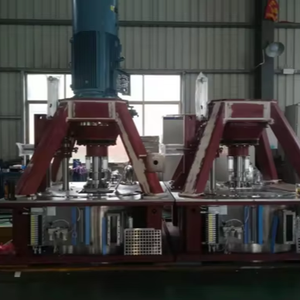
High-efficiency continuous syrup centrifuge specialized for Maltitol mother liquor separation, reducing thermal energy loads in secondary evaporation stages.
Send an Inquiry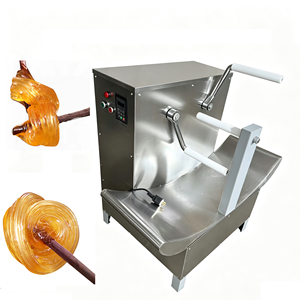
Automated batch aeration and pulling machine built for aerated sugar-free confectionery products, maintaining ideal micro-bubble mass when working with Maltitol syrups.
Send an Inquiry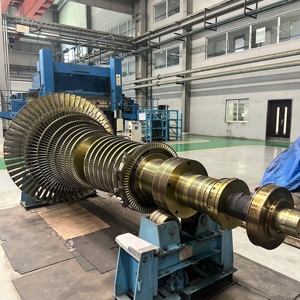
Industrial co-generation power plant steam turbines generating low-cost electricity and process steam for large-scale starch hydrolysis and Maltitol hydrogenation towers.
Send an Inquiry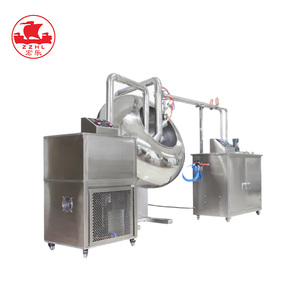
Rotary coating pans for applying smooth, crunch-resistant Maltitol crystalline shells onto sugar-free chocolates, almonds, and functional nutraceutical dragées.
Send an Inquiry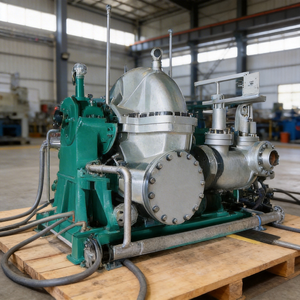
High-capacity thermal energy mechanical drive units engineered to power heavy sugar crushing equipment and high-pressure catalytic reactors during sugar alcohol refining.
Send an Inquiry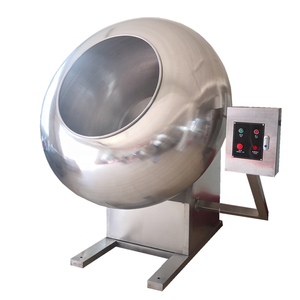
Automated PLC touch-screen pan coater with precise hot-air blowers for uniform moisture removal during sugar-free polyol film coating and pan polishing.
Send an InquiryMaltitol (4-O-α-D-glucopyranosyl-D-glucitol, CAS No. 585-88-6, E-number E965 / INS 965) is a disaccharide sugar alcohol produced via the catalytic hydrogenation of high-maltose corn syrup. In modern commercial food reformulations across Melbourne and the wider Australian food corridor, Maltitol serves as the primary direct bulk drop-in replacement for sucrose due to its structural parity, high sweetness threshold, and non-cariogenic metabolic pathway.
Unlike high-intensity synthetic sweeteners (such as Sucralose or Acesulfame-K) which contribute zero bulk, crystalline Maltitol provides identical physical bulk, mouthfeel, mass, and rheological viscosity to cane sugar. Its relative sweetness is calibrated at 85% to 92% of sucrose, eliminating the need for complex bulking agents (like polydextrose or microcrystalline cellulose) in high-end confectionery and bakery applications.
| Physicochemical Parameter | Crystalline Maltitol (Powder) | Liquid Maltitol Syrup (75% DS) | Standard Sucrose (Cane Sugar) |
|---|---|---|---|
| Chemical Formula | C12 H24 O11 | Aqueous Mixture (Hydrogenated Starch) | C12 H22 O11 |
| Caloric Value (FSANZ 1.2.8) | 16 kJ/g (approx. 2.1 kcal/g) | 16 kJ/g (dry weight basis) | 17 kJ/g (4.0 kcal/g) |
| Glycemic Index (GI) | 35 ± 5 (Granular) | 52 ± 6 (Syrup) | 65 ± 5 |
| Melting Point Range | 145°C – 148°C | N/A (Liquid phase) | 160°C – 186°C |
| Solubility in Water (20°C) | 175 g / 100 g H2O | Fully Miscible | 200 g / 100 g H2O |
| Hygroscopicity (Relative Humidity) | Low (stable up to 80% RH) | Viscous Hydrophilic Liquid | Moderate (caking above 65% RH) |
From a process engineering standpoint, the high thermal stability of Maltitol prevents early caramelization during high-temperature baking or hard-boiled candy cooking. It does not undergo classical Maillard browning reactions because it lacks a free reducing aldehyde or ketone group. When browning is desired in baked goods produced in Victoria facilities, controlled amounts of reducing sugars or amino-acids are blended into the formula alongside bulk Maltitol.
Melbourne represents Australia's largest manufacturing powerhouse for food processing, chocolate manufacturing, and functional pharmaceuticals. Here is how our bulk Maltitol integrates into local plant lines.
Commercial chocolatiers in northern Melbourne utilize our 20-60 Mesh Crystalline Maltitol for sugar-free chocolate conching. Maltitol reproduces the exact snap, viscosity, and crystal structure of cocoa butter suspensions without requiring line modification.
Large-scale automated bakeries replace sugar with granular Maltitol to achieve moist crumb structures in low-GI biscuits, muffins, and snack bars destined for national distribution via Coles and Woolworths retail hubs.
Pharmaceutical grade Maltitol powder is deployed as a direct compressible excipient, binder, and vehicle for sugar-free chewable vitamins, cough syrups, and medicated lozenges complying with Therapeutic Goods Administration (TGA) standards.
Victorian dairy processors blend Liquid Maltitol Syrup (75% DS) into sugar-free ice creams, flavored yogurts, and dairy dessert bases to achieve depressed freezing points identical to sucrose-bound ice creams.
Utilizing high-speed pan coating turbines, local manufacturers apply Maltitol coatings to sugar-free chewing gum centers, creating a crisp external shell that withstands Melbourne’s humid coastal weather transitions.
Meeting the booming Australian demand for Keto-friendly lifestyle products, our fine-mesh Maltitol powder integrates seamlessly into protein bars, nut butter spreads, and sugar-free chocolate coatings.
The Australian food market is experiencing a structural pivot toward sugar reduction. According to Australia’s Health Star Rating (HSR) system and national health initiatives, food manufacturers in Melbourne are under increasing pressure to reformulate product lines to lower overall energy density and sugar counts.
FSANZ Compliance Framework: Food Standards Australia New Zealand (FSANZ) governs the use of polyols under Standard 1.3.1 (Food Additives). Maltitol (E965) is permitted for use in a wide variety of food categories under Quantum Satis (Good Manufacturing Practice). Under Standard 1.2.8 (Nutrition Information Requirements), products containing added Maltitol must declare the specific energy conversion factor of 16 kJ/g, providing a clear calorie-reduction advantage over cane sugar (17 kJ/g with higher GI spike impact).
Biosecurity & Port Logistics (Port of Melbourne): Importing raw food ingredients into Victoria requires strict adherence to the Department of Agriculture, Fisheries and Forestry (DAFF) biosecurity protocols. As an established direct factory exporter, our packaging systems are certified free of biological contaminants. All sea freight consignments arriving at Port of Melbourne (Swanson Dock / Victoria Dock) carry standardized Phytosanitary Documentation, Non-Wood Packaging Declarations, and Lot-Traceable Certificates of Analysis (COA).
We are not intermediary brokers. We operate fully integrated high-pressure hydrogenation facilities powered by heavy-duty steam turbines, continuous centrifuges, and automated packaging systems.

Direct technical answers regarding shipping logistics, bio-security compliance, shelf life, and formulation support for Australian operations.
We supply dry Crystalline Maltitol in multi-wall 25kg PE-lined Kraft paper bags (1,000kg palletized) and 1,000kg Jumbo Super Sacks with bottom discharge spouts. For Liquid Maltitol Syrup (75-80% DS), we ship in food-grade 275-gallon (1,300kg) IBC Totes and 250kg steel/HDPE drums. All packaging is vacuum-sealed and moisture-proofed for long-distance maritime transit.
Maltitol is listed under FSANZ Code Schedule 8 with INS number 965. On finished retail packaging in Australia, it can be declared as "Sweetener (Maltitol)" or "Sweetener (965)". If the polyol content exceeds 10g/100g of the final product, FSANZ mandates the advisory statement: "Excess consumption may have a laxative effect."
Direct ocean freight shipments originate from our main manufacturing port hubs and arrive at the Port of Melbourne in approximately 14 to 21 days depending on shipping line selection. Customs clearance and DAFF biosecurity inspection are streamlined via pre-lodged phytosanitary and COA documentation.
Yes. Crystalline Maltitol (specifically 20-60 Mesh or specialized refined grades) exhibits a melting point of 145°C–148°C and low hygroscopicity, allowing it to undergo standard conching at temperatures up to 60°C–70°C without moisture crystallization or fat bloom. It requires identical tempering profiles to traditional sucrose chocolate.
Crystalline Maltitol has an official shelf life of 24 to 36 months when stored in original unopened packaging. Storage conditions should be kept under 25°C and below 60% relative humidity. Because Melbourne experiences sudden weather swings, pallets should remain stretch-wrapped and elevated on Australian Standard Pallets (1165mm x 1165mm).
Every single container dispatch includes a comprehensive, lot-specific COA issued by our ISO/IEC 17025 accredited QA laboratory. The COA details exact assay purity (≥99.0%), water content (≤0.5%), reducing sugars (≤0.1%), heavy metal limits (Lead ≤1 ppm, Arsenic ≤1 ppm), and total aerobic microbial counts.
Our standard export MOQ is 1 FCL (Full Container Load), which equates to approximately 20 Metric Tons of palletized 25kg bags or 22 Metric Tons of Liquid Maltitol IBC Totes. We also support trial LTL orders for qualified commercial procurement departments upon request.
Yes. Our global production complex holds certifications for FSSC 22000, ISO 9001, ISO 22000, Halal (MUI/JAKIM recognized), Kosher Pareve, and Non-GMO Project Verification. All documentation is supplied directly during the inquiry phase for quality assurance auditing.
Speak directly with our export engineering team. Receive technical specification sheets, safety data sheets (SDS), lot COAs, and competitive CIF Port of Melbourne container pricing.
Send an Inquiry