Discover our precision engineered sugar milling, continuous centrifugation, and confectionery manufacturing machinery tailored for European food processing plants.
An engineering overview of enzymatic hydrolysis, carbohydrate profiles, and molecular viscosity metrics engineered for Romanian food processing plants.
As the European Union continuously tightens food additive purity frameworks under Regulation (EC) No 1333/2008 and Directive 2001/111/EC relating to certain sugars intended for human consumption, industrial procurement officers across Romania—from major confectionery complexes in Bucharest and Cluj-Napoca to dairy producers in Timișoara—require refined glucose syrups that deliver precise physical chemistry characteristics. As a premier CE certified glucose syrup exporter, our processing facilities operate under rigorous hazard analysis critical control point (HACCP) systems, ISO 22000, and FSSC 22000 protocols to produce tailored Dextrose Equivalent (DE) profiles optimized for cold-climate storage, high-speed extruders, and continuous batch cookers.
"Achieving precise anti-crystallization and glass transition behavior in high-sugar confectionery matrixes requires an exact ratio of mono-, di-, and higher oligosaccharides. Our CE-certified glucose syrup solutions eliminate sucrose crystallization while controlling osmotic pressure across extended shelf lives."
Glucose syrup is fundamentally produced through controlled acid-enzyme or dual-enzyme conversion of purified starch slurries (derived primarily from non-GMO maize or wheat). By fine-tuning the enzymatic cleaving of α-1,4 and α-1,6 glucosidic bonds using purified α-amylase and glucoamylase enzymes, we manufacture glucose syrups ranging from low-DE (DE 28–38) to standard-DE (DE 40–45) and high-DE (DE 60–68) variants, alongside high-maltose specialty syrups containing over 50% maltose content.
The following dataset outlines the standardized specification bounds engineered for European B2B manufacturing channels. Every shipment dispatched to Romania is backed by a comprehensive lot-specific Certificate of Analysis (COA) issued by accredited third-party laboratories.
| Parameter Grade | Dextrose Equivalent (DE) | Dry Matter (Brix %) | Viscosity (mPa·s @ 20°C) | Primary Industrial Application |
|---|---|---|---|---|
| Standard Glucose Syrup 42DE | 40.0 - 44.0 | 80.0% - 84.0% | 12,000 - 18,000 | Hard candies, pectin jellies, baked pastries, jam preserves |
| High Maltose Syrup 50HM | 48.0 - 52.0 | 81.0% - 85.0% | 8,000 - 12,000 | Low-hygroscopicity hard candies, brewing adjuncts, frozen desserts |
| High Conversion Glucose 60DE | 58.0 - 64.0 | 79.0% - 82.0% | 4,000 - 7,000 | Beverage sweetening, yeast fermentation substrate, sauces |
| Low DE Liquid Glucose 30DE | 28.0 - 34.0 | 78.0% - 81.0% | 25,000 - 35,000 | Bodying agent, ice cream anti-crystallization, pharmaceutical binders |
Analyzing regional manufacturing shifts, EU sustainability mandates, and logistical integration via the Port of Constanța.
Romania’s historic confectionery brands and modern industrial bakeries rely heavily on 42DE glucose syrup to control moisture migration in traditional pastries like Cozonac and to prevent sugar graining in high-boiled hard candies and Eugenia biscuit fillings.
With major breweries operating across Prahova, Brașov, and Iași, high maltose corn syrups serve as clean-fermenting wort extenders that maintain crisp mouthfeel without introducing unwanted color pre-cursors during boil cycles.
Direct ocean routes connecting East Asian refiners with the Black Sea Port of Constanța provide Romanian buyers with streamlined customs clearance, reduced freight volatility, and door-to-door bulk tanker or ISO-tank delivery.
Romania’s food processing industry is experiencing rapid modernization driven by foreign direct investment and EU regional development funds. Three key micro-economic shifts dictate sweetener sourcing strategies in the region:
Uniting premium sweetener exports with heavy-duty sugar plant engineering.
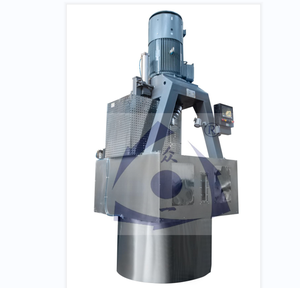
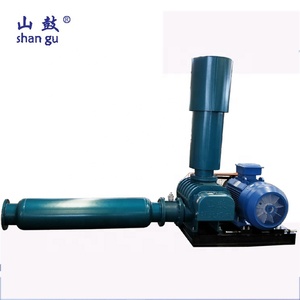
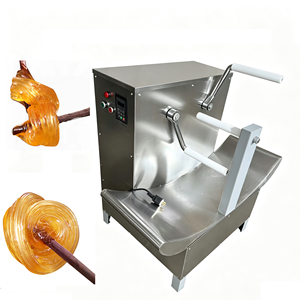
Unlike standard commodity brokerage firms that merely transfer paperwork, our manufacturing consortium designs, constructs, and operates both the upstream sugar processing machinery and the downstream refined sweetener products. This dual expertise provides Romanian plant operators with an unmatched technical advantage:
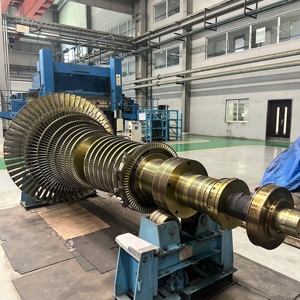
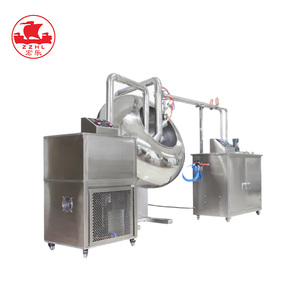
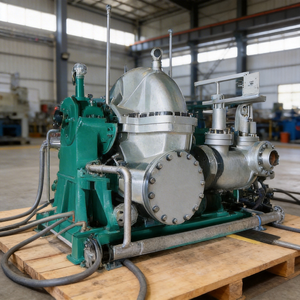
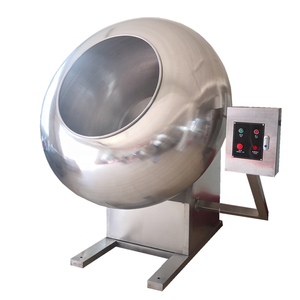
By pairing high-purity CE certified liquid glucose with our stainless steel thermal processing machinery, European food factories achieve maximal yield, minimal downtime, and strict adherence to EU food safety directives.
Addressing critical technical, regulatory, and logistics queries for Romanian food & beverage buyers.
Our glucose syrups fully comply with EU Regulation (EC) No 1333/2008 for food additives, Regulation (EC) No 178/2002 for general food law, and Directive 2001/111/EC governing sugar products. Furthermore, associated plant machinery carries CE conformity marking under the Machinery Directive 2006/42/EC. Every shipment is accompanied by a comprehensive COA, Heavy Metals Test Report, Pesticide Residue Analysis, and Non-GMO statement compliant with ANSVSA (Romania's National Sanitary Veterinary and Food Safety Authority).
We supply glucose syrup in four standardized industrial formats designed for European receiving facilities: 300kg HDPE drums, 1200kg IBC totes (with optional bottom discharge valves), 24,000kg single-use food-grade flexitanks equipped with heating pads for cold-weather unloading, and dedicated ISO tank containers for large-scale continuous industrial pipelines.
Our 42DE glucose syrup features a balanced molecular weight distribution consisting of approximately 19% dextrose, 14% maltose, 11% maltotriose, and 56% higher polysaccharides. The high-molecular-weight oligosaccharides increase the viscosity of the molten candy mass, raising the glass transition temperature (Tg) and sterically hindering sucrose molecules from aligning into crystal lattices during cooling.
Maritime transit from our main export terminals directly to the Port of Constanța averages 18 to 22 days. Customs clearance and intermodal road/rail transport to major industrial zones across Romania (Bucharest, Brașov, Timișoara, Cluj-Napoca) typically requires an additional 3 to 5 business days. Expedited warehouse dispatch is also available from our EU buffer storage facilities.
Yes. Our High Maltose Syrup (containing >50% maltose and <10% dextrose) is specifically designed as a high-efficiency brewery adjunct. It delivers high fermentability by brewer's yeast (Saccharomyces cerevisiae) without imparting excessive residual sweetness or increasing wort viscosity, ensuring optimal filtration cycles in modern brewhouses.
Glucose syrup exhibits increased viscosity at low ambient temperatures. To maintain pumpability without inducing thermal degradation or Maillard browning reactions, bulk IBC totes and storage tanks should be maintained between 35°C and 45°C using low-watt-density heating jackets or stainless steel warm water coils. Avoid direct electric heating elements which can scorch local syrup volume.
Absolutely. Our technical R&D team can adjust enzymatic hydrolysis parameters to create bespoke syrups with precise Brix levels (75% to 85%) and targeted carbohydrate spectrums tailored to your exact manufacturing equipment, whether for low-water-activity gummies, bakery glazes, or pharmaceutical cough syrups.