Engineered for heavy-duty operational efficiency, syrup extraction, pneumatic transfer, and high-yield sugar co-product processing in accordance with EU industrial standards.
Belgium occupies a central positioning within the European Union's agrifood, biotechnology, and specialized chemical processing landscape. As Flemish and Walloon industrial nodes double down on clean-label mandates, decarbonization, and EU Regulation (EU) 2018/848 compliance, the demand for verified Organic Cane & Beet Molasses from certified global producers has escalated rapidly. China has established itself as a premiere sovereign supply hub capable of yielding high-brix, pesticide-free, non-GMO organic molasses at scale, backing European manufacturers with continuous raw material security.
Unlike standard industrial blackstrap molasses, certified organic molasses requires stringent non-synthetic soil management, chemical-free sugar clarification, and uncompromised supply chain isolation. Belgian B2B buyers—spanning from historic craft breweries in West Flanders to advanced yeast production complexes around Ghent and Antwerp—demand exacting analytical criteria. Our exports to the Benelux market bypass intermediary trade friction through direct mill-to-port logistics routes, offering transparent batch-level documentation, including TRACES COI (Certificate of Inspection) clearance.
Servicing yeast facilities in Wallonia and Flanders. Provides an optimal carbon-to-nitrogen ratio, micronutrient minerals (Fe, Ca, Mg), and fermentable sugars (sucrose, glucose, fructose) essential for high-cell-density biomass growth.
Integrated into Abbey-style brown ales, dark double/triple formulations, and artisanal rum distillation. Contributes rich Maillard browning, caramel notes, and fermentable gravities without synthetic residues.
Fully compliant with GMP+ FSA and EU organic livestock feed directives. Acts as a natural binder for organic feed pellets, improving palatability and ruminal energy availability for Belgian Blue cattle and dairy stock.
To satisfy the strict quality control gates enforced by Belgian food safety authorities (FASFC / FAVV) and certified organic auditors (such as Certisys and TÜV Nord Integra), our organic molasses undergoes rigorous multi-stage testing prior to vessel loading. Each shipment is backed by an extensive Certificate of Analysis (COA) generated by accredited ISO/IEC 17025 laboratories.
| Analytical Parameter | Standard Organic Cane Molasses | High-Brix Bio-Fermentation Grade | Test Standard / Method |
|---|---|---|---|
| Brix (Sp. Gravity at 20°C) | 79.5° – 82.0° Brix | 83.0° – 85.5° Brix | ICUMSA GS4/3-13 |
| Total Sugars (as Invert) | ≥ 48.0% | ≥ 54.0% | ICUMSA GS4/3-7 |
| Sucrose Content | 32.0% – 38.0% | 36.0% – 42.0% | HPLC / Polarization |
| Reducing Sugars (Fructose/Glucose) | 12.0% – 18.0% | 14.0% – 20.0% | Lane & Eynon Method |
| Sulfated Ash Content | ≤ 9.5% | ≤ 8.0% | ICUMSA GS4-11 |
| pH Value (10% Solution) | 5.2 – 5.8 | 5.0 – 5.6 | Potentiometric pH Meter |
| Heavy Metals (Pb, Cd, As, Hg) | Compliant with EU Regulation (EC) 1881/2006 | ND (< 0.01 mg/kg limit) | ICP-MS Spectrometry |
| Pesticide Residue Screen | 100% Negative (< 0.01 mg/kg multi-residue screen) | 100% Negative | GC-MS/MS & LC-MS/MS |
Our processing methodology preserves essential trace minerals including Potassium (K), Calcium (Ca), Magnesium (Mg), and Iron (Fe), while preventing caramel thermal degradation during vacuum evaporation. This guarantees consistent viscosity and thermal stability during sea transport into Belgian ports.
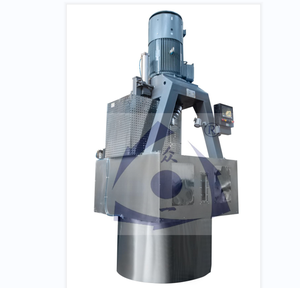
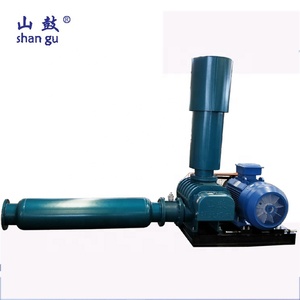
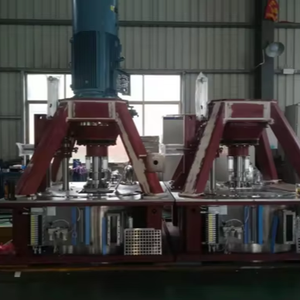
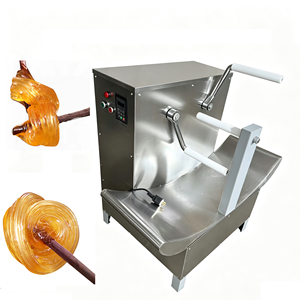
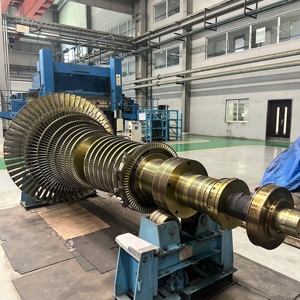
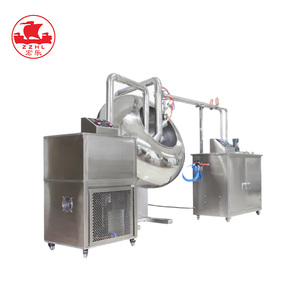
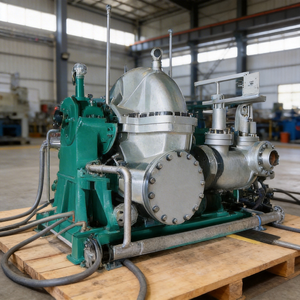
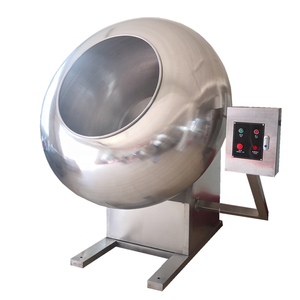
Extracted molasses and raw sugar liquors require state-of-the-art refinery machinery to achieve industrial clarity and consistency. As an integrated manufacturer and exporter, our engineering expertise extends beyond raw organic commodities into complete sugar plant equipment infrastructure.
For operations aiming to process raw cane syrups or refine molasses co-products locally in Europe or overseas, our technological ecosystem provides seamless mechanical integration:
Logistical reliability is the bedrock of industrial operations. A delay in raw material supply can halt continuous fermentation cycles or disrupt compound feed manufacturing lines across the Benelux region. We have established robust freight pathways tailored specifically to Belgian entry requirements.
Supplied in 1,000 L Intermediate Bulk Containers (IBC Totes), 220 L Heavy-Duty HDPE Drums, 25 MT ISO Tank Containers, or Full Vessel Flexitanks based on customer storage infrastructure.
All export documentation is pre-cleared via the EU TRACES NT system. Inspections at Flemish border control posts (BCP) proceed without customs holds or testing delays.
We work alongside regional Benelux warehousing partners to maintain safety stock options, mitigating spot market volatility and shipping lane disruptions.
Clear technical and commercial answers regarding organic compliance, minimum order volumes, transport logistics, and quality assurance for the Belgian market.
Our sugarcane and sugar beet supply bases hold direct certification from EU-recognized control bodies (EOS / Certisys audit aligned). Soil management excludes synthetic fertilizers, pesticides, and GMO inputs for over 3 years prior to harvest. TRACES COI documentation accompanies every single export bill of lading.
For packaged formats (IBC Totes or HDPE Drums), our standard MOQ starts at 1 FCL (Full Container Load, approx. 20–24 Metric Tons). For liquid bulk shipments, we utilize 24,000-liter Flexitanks or ISO Tanks designed for direct discharge at Port of Antwerp docks.
Ocean transit time from major Chinese ports (Qingdao, Shanghai, Ningbo) to Port of Antwerp averages 28 to 35 days. Accounting for pre-shipment laboratory analysis and export customs clearance, total lead times are generally 40 to 45 calendar days.
Yes. We tailor evaporation parameters to produce target Brix densities ranging from 79.5° up to 85° Brix. Custom blends optimized for specific bio-fermentation yields or high-fermentability brewing gravities can be formulated upon request.
Absoutely. Every export batch undergoes multi-residue pesticide screens (>500 compounds) and ICP-MS heavy metal testing (Lead, Cadmium, Arsenic, Mercury). Analytical limits strictly adhere to EU food safety thresholds (Regulation EC 1881/2006).
Organic molasses should be stored in food-grade stainless steel or insulated HDPE tanks at temperatures between 15°C and 25°C. Excessive thermal exposure (>40°C) should be avoided to prevent Maillard caramelization and gas formation, while ambient winter storage requires trace-heated pumping systems.
Yes. Our engineering division designs, manufactures, and supplies complete centrifuges, Roots blowers, and steam turbine drives. We provide technical installation guidance and processing parameter optimization for refining sugar co-products.
We provide 1 kg to 5 kg sealed laboratory samples shipped directly via express air courier (DHL/FedEx) to your Belgian facility, complete with batch-specific Certificates of Analysis for immediate R&D trial verification.
Elevate your production reliability with EU-certified organic molasses, guaranteed high Brix performance, and direct mill pricing for the Belgian market.