Empowering high-purity Trehalose crystallization, syrup refining, and large-scale bulk processing for Asian export markets



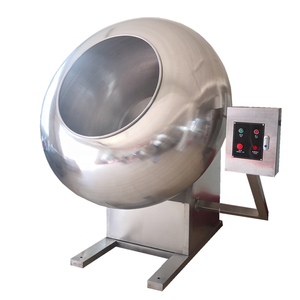
As Japan's food manufacturing, pharmaceutical, and cosmetic sectors face accelerating demands for extended product stability, clean-label formulation, and reduced sweetness profiles, Trehalose (α,α-trehalose dihydrate, C12H22O11·2H2O) has transitioned from a specialized disaccharide into an indispensable multi-functional hydrocolloid and protein stabilizer. Sourced from high-purity enzymatic conversion of starch using state-of-the-art centrifugal separation and continuous crystallization technology, our enterprise stands as China's leading OEM exporter delivering premium Trehalose powder tailored specifically to the stringent quality standards of the Japanese market.
Unlike standard sucrose or high-fructose corn syrups, Trehalose possesses a unique 1,1-glycosidic linkage connecting two α-D-glucose units. This non-reducing chemical configuration yields exceptional thermodynamic and chemical stability: it does not undergo Maillard browning in the presence of amino acids, retains structural integrity across a broad pH range (2.5 to 10.0), and exhibits a remarkably high glass transition temperature (Tg ≈ 115°C). For Japanese buyers seeking reliable industrial bulk procurement, understanding these physicochemical dynamics provides a definitive competitive edge in shelf-life optimization and process efficiency.
Our Trehalose dihydrate is manufactured under strict cGMP and ISO22000 conditions, yielding a crystalline powder that seamlessly integrates into dry blends, aqueous solutions, and lipid emulsions:
Tailored disaccharide solutions addressing regional taste preferences, regulatory standards, and shelf-life requirements
In Japanese confectionery (Wagashi like Mochi, Dango, and Dorayaki), starch retrogradation (老化) causes rapid hardening and loss of texture. Replacing 10%–30% of sucrose with our food-grade Trehalose retains moisture, prevents starch recrystallization, and extends soft texture elasticity even after refrigerated storage or freeze-thaw cycles.
Japan’s extensive fish processing sector relies heavily on cryoprotectants. During deep freezing (-18°C to -30°C), ice crystal formation denatures fish myofibrillar protein. Trehalose acts as a superior cryoprotectant in Surimi and Kamaboko production, maintaining gel strength (Kamakoku elasticity) and preventing drip loss upon thawing.
Aligned with Japan’s Consumer Affairs Agency (CAA) "Foods with Function Claims" (機能性表示食品) framework, Trehalose induces a lower postprandial insulin response compared to glucose. It masks bitter off-tastes in collagen peptides, plant-based protein drinks, and vitamin-fortified functional beverages popular among Japan's aging demographic.
Cosmetic grade Trehalose exhibits outstanding moisture retention by substituting for water molecules in the stratum corneum. Top Japanese skincare formulations utilize high-purity Trehalose to protect skin fibroblasts against dehydration, UV radiation stress, and temperature fluctuations, acting as an essential hydration anchor in anti-aging serums and barrier creams.
In accordance with the Japanese Pharmacopoeia (JP), pharma-grade Trehalose serves as a vital lyoprotectant during freeze-drying of monoclonal antibodies, vaccines, and recombinant proteins. Its high vitrification temperature preserves biological activity and prolongs room-temperature shelf life of sensitive biologics.
Formulators in Japanese R&D centers select Trehalose based on rigorous comparative data. The table below outlines why Trehalose outperforms standard sucrose, maltose, and sorbitol across key industrial processing parameters:
| Physicochemical Parameter | Trehalose Dihydrate | Sucrose (Cane/Beet Sugar) | Maltose Powder | Sorbitol (Polyol) |
|---|---|---|---|---|
| Sweetness (Sucrose = 100) | 45% (Clean, Mild) | 100% (Standard) | 30% - 40% | 60% |
| Glass Transition Temp (Tg) | 115°C (Ultra High) | 62°C | 87°C | -9°C |
| Maillard Browning Risk | Zero (Non-Reducing) | Low (Inverts with Heat) | High (Reducing Sugar) | Zero |
| Starch Anti-Retrogradation | Exceptional | Moderate | Moderate | Low |
| Hygroscopicity below 94% RH | Extremely Low | Low | Moderate | High |
| Protein Cryoprotection | Superior | Moderate | Low | Low |
To successfully import and distribute food and pharmaceutical ingredients in Japan, compliance with local regulatory bodies and consumer trends is paramount. China has emerged as the premier manufacturing origin capable of offering robust supply chain reliability, high-capacity enzymatic refinement, and competitive landed costs at Tokyo, Yokohama, Nagoya, and Kobe ports.
Our Trehalose powder strictly adheres to the specifications established by the Ministry of Health, Labour and Welfare (MHLW). Every production batch undergoes comprehensive laboratory analysis covering heavy metal thresholds (Pb ≤ 1 ppm, As ≤ 1 ppm), microbiological limits (Total Plate Count < 1000 cfu/g, E. coli Negative, Yeast & Mold < 100 cfu/g), and residual pesticide screen under Japan's Positive List System.
Japanese consumers show a marked preference for products with clean ingredient decks. Trehalose is recognized as a natural starch-derived disaccharide (Non-GMO corn or tapioca starch source). It allows Japanese food processors to reduce sucrose content, suppress harsh synthetic sweetness, and lower overall glycemic impact without sacrificing mouthfeel, bulk volume, or structural integrity.
Situated near major eastern Chinese shipping hubs (Qingdao, Shanghai, Tianjin), our logistics network provides expedited maritime transit options reaching major Japanese ports in just 3 to 5 days. We supply full container loads (FCL), less-than-container loads (LCL), palletized 25kg multi-ply paper bags with inner PE liners, and 1-metric-ton jumbo supersacks designed for automated discharge hoppers.
Leveraging continuous technological innovation and industrial processing infrastructure, our company offers unmatched production reliability, raw material purity, and QA transparency:
Addressing common technical, legal, and logistical queries regarding Trehalose import from China to Japan
We guarantee an α,α-Trehalose Dihydrate assay of ≥ 99.5% on a dry basis. Each lot is tested via High-Performance Liquid Chromatography (HPLC) to ensure strict adherence to MHLW food additive standards and Japanese Pharmacopoeia monographs.
Starch retrogradation occurs when gelatinized starch molecules re-align into ordered crystalline structures during cooling, driving water out and hardening the food. Trehalose forms strong hydrogen bonds with water clusters and amylose/amylopectin chains, physically blocking recrystallization and keeping rice-based confectioneries soft for extended periods.
Yes. Our Trehalose is derived from Non-GMO maize or tapioca starch via enzymatic transformation. It is 100% free from the 28 specified allergen ingredients regulated under Japan's Consumer Affairs Agency (CAA) labeling guidelines.
We supply standard 25kg multi-ply kraft paper bags with food-grade inner PE liners (40 bags per pallet, 1 MT per pallet) as well as 1,000kg (1 MT) supersacks equipped with bottom discharge spouts for automated pneumatic handling systems.
Ocean freight transit from Qingdao or Shanghai to major Japanese ports takes between 3 to 5 days. Including customs documentation preparation and quarantine sampling, total door-to-port lead times generally range between 7 to 10 business days.
Trehalose provides 4 kcal/g, similar to sucrose, but exhibits a lower glycemic index and insulinemic response due to slower enzymatic cleavage by trehalase in the small intestine. Because it is only 45% as sweet as sugar, it is widely used to build volume and mouthfeel while reducing overall sweetness intensity.
Yes. We offer standard crystalline powder (approx. 60–80 mesh) as well as fine micronized grades (100–200 mesh) specifically engineered for chocolate coating turbines, dry beverage pre-mixes, tablet compression excipients, and cosmetic formulations.
Trehalose dihydrate is exceptionally stable under normal ambient conditions. Store in sealed original packaging in a cool, dry warehouse (below 25°C and relative humidity < 65%). Under these conditions, the product exhibits a shelf life of 24 months from the manufacturing date without caking.
Every commercial shipment is accompanied by a Commercial Invoice, Packing List, Bill of Lading, Certificate of Origin (Form R / RCEP for preferential tariff rates), Lot-Specific COA, Non-GMO Certificate, Heavy Metal & Pesticide Test Reports, and Flowchart of Bio-enzymatic Process.
Sample kits (500g to 2kg) are available upon request for lab bench trials and factory pilot runs. Click our instant live chat inquiry button below to connect directly with our dedicated Japan Export Division.
Elevate your food, cosmetic, and pharmaceutical formulations with high-purity α,α-Trehalose Dihydrate. Request specification sheets, COAs, or volume quotes directly from our technical sales specialists today.