Precision-engineered sucrose processing centrifuges, industrial turbines, pneumatic blowers, and high-intensity sweetener processing machinery dedicated to West African market supply.
Acesulfame Potassium (chemically known as 6-methyl-1,2,3-oxathiazin-4(3H)-one 2,2-dioxide; CAS Registry No. 55589-62-3, E-Number E950) represents a cornerstone high-intensity sweetener (HIS) utilized extensively across the global food, beverage, and pharmaceutical industries. For Nigerian industrial procurement directors, quality control managers, and formulation chemists, securing an unadulterated, highly stable supply of wholesale Ace-K from direct China manufacturers is a strategic imperative. As an odorless, white crystalline powder, Acesulfame K delivers a quick-onset sweetness profile approximately 200 times sweeter than sucrose (table sugar), exhibiting exceptional synergistic characteristics when paired with secondary high-intensity sweeteners such as Sucralose, Aspartame, or Neotame.
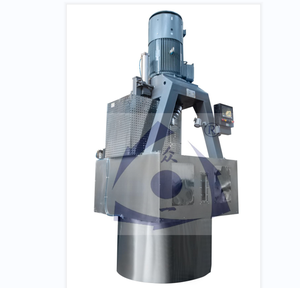
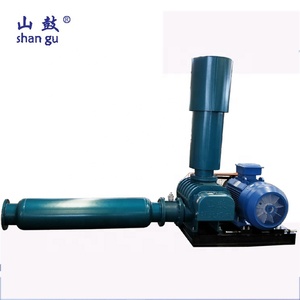
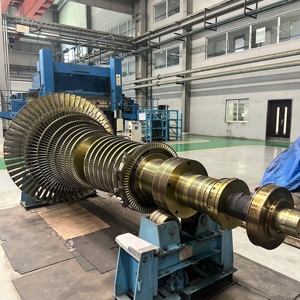
From a chemical synthesis perspective, China’s primary manufacturers utilize advanced continuous sulfonation, cyclization, and crystallization processing lines. Our manufacturing facilities integrate high-speed stainless steel (SS316L) separation centrifuges, automated crystallization reactors, and specialized pneumatic conveying systems to ensure absolute particle size consistency and chemical purity. Below is the definitive chemical specification standard guaranteed for every bulk export lot dispatched to Lagos (Apapa / Tin Can Island) and Onne Ports in Nigeria:
| Analytical Parameter | FCC IV / USP / EP Standard Specification | Factory Guaranteed Analysis (Direct Export Batch) |
|---|---|---|
| Chemical Formula / Purity | C4H4KNO4S (99.0% – 101.0% dry basis) | 99.6% – 100.3% Active Assay |
| Appearance & Physical State | White Crystalline Powder / Granules | Pure White Crystals, Free-Flowing, Odorless |
| Solubility in Water (20°C) | Approx. 270 g/L | Rapid Dissolution (< 45 Seconds under agitation) |
| Melting / Decomposition Point | Decomposes above 225°C (437°F) | Stable up to 225°C (Ideal for High-Temp Pasteurization) |
| Loss on Drying (105°C, 2 hrs) | ≤ 1.0% | ≤ 0.25% (Optimized for Tropical Warehousing) |
| Heavy Metals (as Pb) | ≤ 5 mg/kg (5 ppm) | < 1 mg/kg (Exceeds NAFDAC Safety Thresholds) |
| Fluoride Content | ≤ 3 mg/kg | < 1 mg/kg |
| pH Value (1% aqueous solution) | 5.5 – 7.5 | 6.2 – 6.8 (Neutral Sensory Profile) |
| Particle Size Distribution | 20-40 Mesh Granular / 80-100 Mesh Powder | Customizable Mesh Sizes for Direct Dry-Blending |
The operational advantage of Acesulfame Potassium lies in its zero-glycemic index, zero-calorie yield, and extreme pH stability (effective across pH 3.0 to 9.0). Unlike Aspartame, which suffers structural hydrolysis under elevated temperature or highly acidic conditions, Ace-K maintains complete molecular integrity throughout UHT (Ultra-High Temperature) sterilization, hot-fill bottling, extrusion, and commercial baking processes. This thermal resilience makes it the sweetening backbone for West Africa's modern industrial food plants.
Analysis of local processing conditions in Lagos, Ogun (Agbara Industrial Estate), Kano, Ibadan, and Anambra manufacturing hubs.
In Nigeria's competitive CSD sector, Ace-K is formulated alongside Sucralose (typically in a 3:7 or 4:6 weight ratio) to simulate the full-bodied, rounded sweetness curve of natural sucrose. It eliminates residual mouthfeel linger, speeds up initial sweetness perception, and resists degradation in acidic cola and citrus sodas held in warm warehouse environments.
Commercial bottlers of traditional West African beverages—such as Zobo (Hibiscus sabdariffa tea), Kunu, and Ginger extracts—face rapid microbial spoilage when using high concentrations of sugar. Replacing natural sugar with high-purity Ace-K lowers water activity (a_w), prevents unintended batch fermentation, and maintains crisp sweetness without masking aromatic botanical notes.
With major pharmaceutical manufacturing corridors in Kano and Ogun State, Ace-K serves as an essential non-cariogenic excipient. It efficiently masks the intense bitterness of active pharmaceutical ingredients (APIs)—including pediatric antimalarials, paracetamol suspensions, and cough remedies—without inducing glycemic spikes in pediatric or diabetic populations.
Single-serve powdered drink sachets dominate fast-moving consumer goods (FMCG) retail across West Africa. Ace-K’s superior solubility and low hygroscopicity prevent clump formation inside foil sachets during high-humidity coastal storage, delivering uniform dissolution even in cold water.
In chewing gum manufacturing, Ace-K provides a dual benefit: rapid initial sweetness release combined with extended sensory longevity when micro-encapsulated. In high-temperature industrial ovens (180°C – 220°C), Ace-K remains completely stable, allowing biscuit and pastry makers to craft reduced-sugar SKUs without surface browning distortions.
UHT milk, yogurt drinks, and ice cream formulations benefit from Ace-K's acid resistance and freeze-thaw stability. It prevents sweetness loss caused by live lactic acid cultures during cold-chain distribution, preserving product taste profiles across long transport routes.
Procuring raw ingredients in Nigeria requires a nuanced understanding of macroeconomics, regulatory bodies, and foreign exchange (FX) management. For food processing enterprises operating in West Africa, transitioning from traditional cane sugar (sucrose) to high-intensity sweeteners manufactured in China offers substantial cost and operational advantages.
Following the enactment of the Federal Finance Act establishing a 10 Naira per liter tax on Sugar-Sweetened Beverages (SSB), beverage producers across Nigeria face tightening profit margins on full-sugar products. Reformulating products with high-potency, non-nutritive sweeteners like Acesulfame Potassium allows beverage brands to lower sugar content below tax thresholds, preserving price points for price-sensitive Nigerian consumers without sacrificing taste.
Importing bulk cane sugar requires heavy freight, extensive warehousing, and complex handling infrastructure. Because Acesulfame Potassium is 200 times sweeter than sugar, 1 metric ton of Ace-K replaces 200 metric tons of refined sugar. The shipping comparison illustrates these dramatic supply chain efficiencies:
The National Agency for Food and Drug Administration and Control (NAFDAC) enforces strict oversight on all food additives imported into Nigeria. Non-compliant ingredients risk port seizures, heavy fines, or clearance denials. As a premier direct exporter from China, our manufacturing infrastructure operates strictly under ISO 9001, FSSC 22000, HALAL (HRC/MUI), KOSHER, and GMP standards. Every shipment includes lot-specific Certificates of Analysis (COA), heavy metal screening, allergen-free declarations, and full batch traceability required for NAFDAC CRIA (Clean Report of Inspection and Analysis) clearance.
Direct answers to critical questions regarding logistics, documentation, bank payment terms, and formulation chemistry.
We provide a complete documentation package for seamless clearance through Nigerian ports and NAFDAC inspections. This includes: (1) Lot-Specific Certificate of Analysis (COA), (2) Manufacturer's Certificate of Free Sale, (3) ISO 22000 / FSSC 22000 Quality Management System Certificate, (4) HALAL and KOSHER Certificates, (5) Material Safety Data Sheet (MSDS), (6) Detailed Technical Specification Sheet, and (7) SONCAP / NAFDAC CRIA inspection support documents. All commercial invoices and packing lists are formatted to match Form M entries via the Nigerian Trade Portal.
Direct sea freight shipments dispatched from major Chinese ports (Qingdao, Ningbo, Shanghai) to Lagos (Apapa or Tin Can Island) typically take 30 to 40 days in ocean transit depending on the shipping line (e.g., Maersk, COSCO, MSC). Factory order processing, NAFDAC pre-shipment inspection, and container stuffing require 5 to 7 business days. We strongly recommend Nigerian importers maintain a 60-day safety stock cushion to accommodate seasonal port congestion.
Acesulfame Potassium manufactured by our factory features exceptionally low hygroscopicity (< 0.25% moisture content). Our standardized export packaging consists of a heavy-duty, double-layer polyethylene inner liner sealed hermetically inside a moisture-proof 25kg fiber drum or 25kg multi-wall kraft paper bag. This protective barrier preserves crystal integrity and prevents clumping, even when stored at ambient temperatures exceeding 35°C and relative humidity above 80% in West Africa.
We support structured international commercial transactions compliant with CBN regulations. We accept Irrevocable Letters of Credit at Sight (Confirmed LC at Sight) issued by top-tier Nigerian banks (e.g., Zenith Bank, Access Bank, GTBank, First Bank), as well as standard Telegraphic Transfer (T/T) terms (30% advance deposit with 70% balance paid against Telex Release of the Bill of Lading). We work closely with buyers to streamline documentation required for local FX bidding and Form M allocation.
While Ace-K provides rapid sweetness onset, high usage concentrations as a sole sweetener can present a slight metallic aftertaste to sensitive consumers. Blending Ace-K with Sucralose (typically at a 1:3 ratio) creates a powerful sweetness synergy that mask individual off-notes, rounds out the mid-to-late taste profile, and reduces overall sweetener inclusion costs by up to 25% compared to single-ingredient formulations.
Our standard export Minimum Order Quantity (MOQ) is 1 Metric Ton (1,000 kg / 40 Fiber Drums), which can be shipped via LTL consolidation or as part of an FCL mixed-ingredient container. Under recommended dry warehousing conditions (< 25°C, humidity < 65%), our Acesulfame Potassium carries a certified shelf-life of 2 years (24 months) from the date of manufacture.
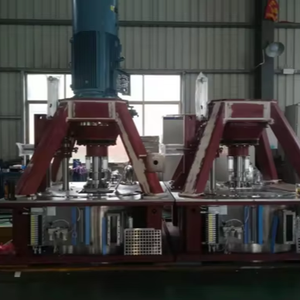
As a leading Chinese chemical manufacturer and direct exporter of food additives, our plant combines extensive production scale with stringent quality assurance. We operate modern, continuous-process production lines equipped with energy-efficient separation centrifuges, automated drying systems, and computer-controlled crystallization tanks to deliver consistent, batch-to-batch quality.
Partner with a reliable China direct manufacturer. Contact our export engineering team today for factory-direct FOB/CIF pricing, sample requests, and complete NAFDAC documentation packages.
Send an Inquiry