Engineered specifically for Colombian sugar mills, refineries, and commercial food manufacturing plants. High-throughput, energy-efficient machinery for powdered and refined sugar applications.
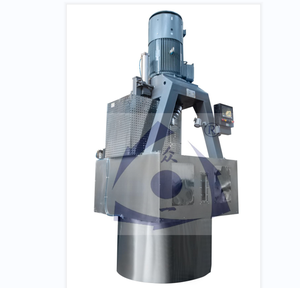
501-1000L/h processing capacity with heavy-duty bearing motor. Constructed from SS304/316L stainless steel for rapid syrup separation.
Get a Quote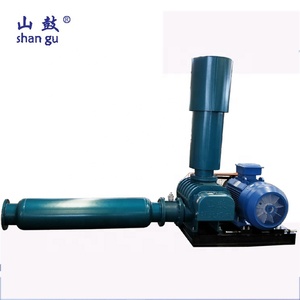
Heavy-duty pneumatic conveying blower system designed for dense-phase bulk transfers of pulverized icing sugar without clogging.
Get a Quote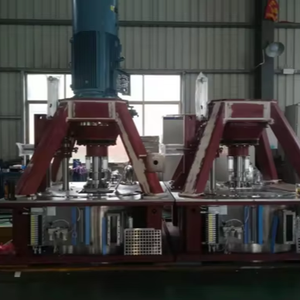
High-productivity syrup purification centrifuge engineered for continuous operation in high-yield sugarcane refineries.
Get a Quote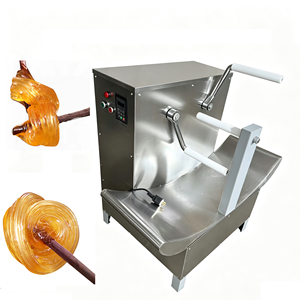
Automated candy and confectionery sugar pulling machinery engineered for optimum aeration, mass consistency, and texture refinement.
Get a Quote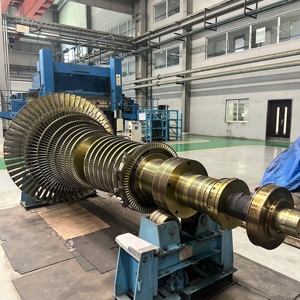
Industrial bagasse power generation turbine system for sugar processing mills seeking energy self-sufficiency and low operating costs.
Get a Quote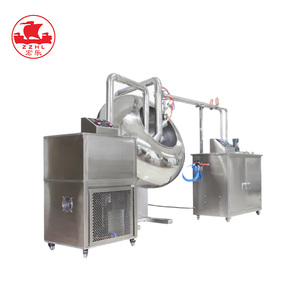
Precision rotary coating turbines for confectionery, chocolate, and dragée production lines with integrated hot/cold thermal control.
Get a Quote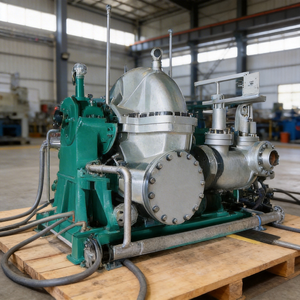
High-torque turbine driver designed for heavy-duty sugar mechanical drives, mills, and co-generation electric grids.
Get a Quote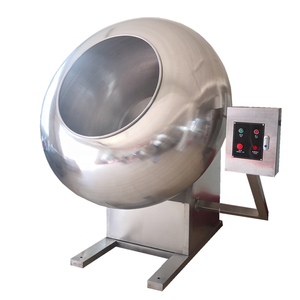
Advanced stainless steel confectionery coating pan equipped with PLC touch-screen automation, variable tilt, and speed control.
Get a QuoteThe Colombian industrial sugar market represents one of the most dynamic agro-industrial ecosystems in Latin America. Centered primarily along the fertile Valley of the Cauca River (Valle del Cauca), Colombia’s sugarcane production operates continuously throughout the year, unlike seasonal harvests in temperate zones. However, converting raw standard sucrose into high-purity, free-flowing icing sugar (powdered sugar) poses unique mechanical engineering and chemical challenges—particularly regarding particle size distribution, moisture absorption, anti-caking stabilization, and thermal buildup during high-speed micro-pulverization.
Industrial icing sugar—commonly categorized under 10X or 6X commercial standards—requires particle sizes ranging from 10 microns to 45 microns. Achieving this degree of fineness demands advanced pin mills (impact pulverizers) paired with precise dynamic air classifiers. Standard hammer mills often fail in tropical industrial environments because high friction generates heat exceeding sucrose's critical melting point (approx. 186°C), leading to sugar caramelization and severe equipment fouling.
Our ultra-fine milling systems incorporate pneumatic cooling circuits driven by high-efficiency Roots Blowers for supercharged pneumatic transfer. By maintaining air temperature inside the grinding chamber below 35°C, micro-pulverizers prevent thermal degradation, preserve crystal color (whiteness index > 98.5 R457), and ensure a uniform, silky mouthfeel required by premier Colombian confectioners like Colombina and Nacional de Chocolates.
| Sugar Grade | Target Particle Size (d50) | Anti-Caking Agent ratio | Primary Colombian Industry Application |
|---|---|---|---|
| 10X Ultra-Fine Icing Sugar | 15 - 25 microns | 3% - 5% Corn Starch / TCP | Industrial icings, pharmaceutical coatings, premium fondants |
| 6X Standard Powdered Sugar | 35 - 55 microns | 3% Food-grade Starch | Commercial bakeries, biscuits, dusted confectioneries |
| Fondant Grade Powder | < 15 microns | Non-starch (Maltodextrin/Invert) | High-gloss confectionery glazes and extruded syrups |
| Coating Sugar Granules | 60 - 90 microns | Hydrophobic fat-coat options | Donut toppings, moisture-resistant bakery dusting |
A primary operational challenge for B2B sugar buyers in coastal zones like Barranquilla or high-humidity regions like Cali and Medellín is moisture sorption. Powdered sugar is intensely hygroscopic. When ambient relative humidity exceeds 65%, unconditioned icing sugar rapidly forms solid agglomerates due to liquid bridge formation between fine particles.
To solve this, advanced Colombian manufacturing lines integrate tri-bo-electric charge dissipators alongside precision dosing of anti-caking agents such as non-GMO corn starch, tricalcium phosphate (TCP), or silicon dioxide. Furthermore, conveying the milled product requires sealed SS304/SS316L stainless steel pneumatic lines powered by positive displacement blowers that isolate the sugar mass from humid external ambient air until final multi-ply moisture-barrier packaging.
In Valle del Cauca, modern sugar refineries utilize sugarcane bagasse (the fibrous byproduct after juice extraction) to generate high-pressure steam. Integrating robust Steam Turbine Generators (1MW to 5MW output) allows factories to convert waste thermal energy into baseline electricity. This co-generation model powers high-speed continuous centrifuges, Roots blowers, and pulverizers at near-zero grid energy costs—lowering the overall carbon footprint and producing a cost-competitive price per metric ton for regional export throughout the Andean Community (CAN).
From altitude-adjusted bakery formulations in Bogotá D.C. to high-capacity chocolate coating plants in Medellín, our sugar technology adapts to Colombia's distinct micro-climates and industrial clusters.
At 2,640 meters elevation, lower atmospheric pressure affects moisture evaporation and sugar crystallization rates. Our ultra-fine 10X icing sugar ensures rapid dissolution in cake batters and smooth icing structures without grittiness.
Utilizing high-capacity stainless steel Sugar Chocolate Coating Turbines featuring variable angle controls and touch-screen PLCs to achieve perfectly polished shell coatings on nuts, dried fruits, and candies.
Installation of high-speed syrup separation centrifuges (501-1000L/h) and heavy bagasse steam turbines in Palmira, Cali, and Buga to optimize high-volume sucrose yield directly from fresh sugarcane crush.
As the regional market moves toward stricter food safety standardizations (INVIMA compliance, HACCP, FSSC 22000), Colombian sugar processors are replacing legacy open-grinding machinery with fully enclosed, clean-in-place (CIP) stainless steel systems.
Partnering with a globally verified manufacturer guarantees high-grade machinery, rigorous quality control, and seamless logistics across Latin America.
Every equipment build and batch shipment comes complete with detailed Certificates of Analysis (COA), material metallurgical testing (SS304/SS316L validation), and full traceability documentation.
We supply turnkey machinery configurations as well as bulk packaging options including 25kg multi-wall paper bags with PE liners and 1,000kg weather-proof supersacks.
Direct ocean freight handling to key Colombian port terminals including Buenaventura (Pacific corridor) and Cartagena (Atlantic entry) with full customs assistance and DIAN documentation.
Essential answers regarding procurement, import logistics, Invima standards, technical specs, and customs considerations for Colombian sugar producers.
For standard 10X or 6X commercial icing sugar, 3% to 5% food-grade corn starch or tapioca starch is thoroughly homogenized during micro-milling. For specialty applications requiring crystal clarity upon melting (e.g., clear glazes), tricalcium phosphate (TCP) at 1.5% to 2% is utilized.
Heavy processing machinery—such as steam turbines, high-speed centrifuges, and coating pans—is packed in export-grade seaworthy wooden cases and shipped via container ships (FCL/LTL) directly to either Port of Buenaventura (ideal for Valle del Cauca/Cali facilities) or Port of Cartagena (for northern and central distribution routes to Medellín and Bogotá).
Yes. All contact surfaces are manufactured from food-grade SS304 or SS316L stainless steel with sanitary polish options (Ra < 0.4 µm). Our designs completely eliminate dead zones to facilitate Clean-In-Place (CIP) regimes, complying fully with INVIMA standards in Colombia and international FDA/HACCP norms.
Absolutely. Our 1MW to 5MW steam turbine generator sets are custom-engineered to match your factory’s specific inlet steam pressure, temperature, and back-pressure steam requirements, maximizing electricity output while delivering clean low-pressure process steam back to the juice evaporation stations.
In humid zones like Barranquilla or Cartagena, we recommend using multi-ply paper bags integrated with high-density polyethylene (HDPE) inner liners sealed thermally, paired with climate-controlled warehouse storage (below 25°C and relative humidity under 60%). Dense-phase pneumatic conveying with air drying also prevents ambient moisture ingress during transfer.
Contact our engineering specialists today for custom plant layout designs, equipment sizing, technical datasheets, and competitive B2B factory quotes tailored for Colombia and Latin America.