Explore our premium food-grade maltodextrin powder supply and industrial starch plant processing equipment engineered to meet Ghana Standards Authority (GSA) and Food and Drugs Authority (FDA Ghana) standards.
As West Africa’s food manufacturing sector undergoes unprecedented expansion—driven by the African Continental Free Trade Area (AfCFTA) headquartered in Accra—industrial demand for high-performance functional carbohydrates has reached an all-time high. Maltodextrin powder (CAS No. 9050-36-6) stands as a foundational ingredient across Ghana’s food processing, beverage blending, seasoning manufacturing, and pharmaceutical compounding sectors.
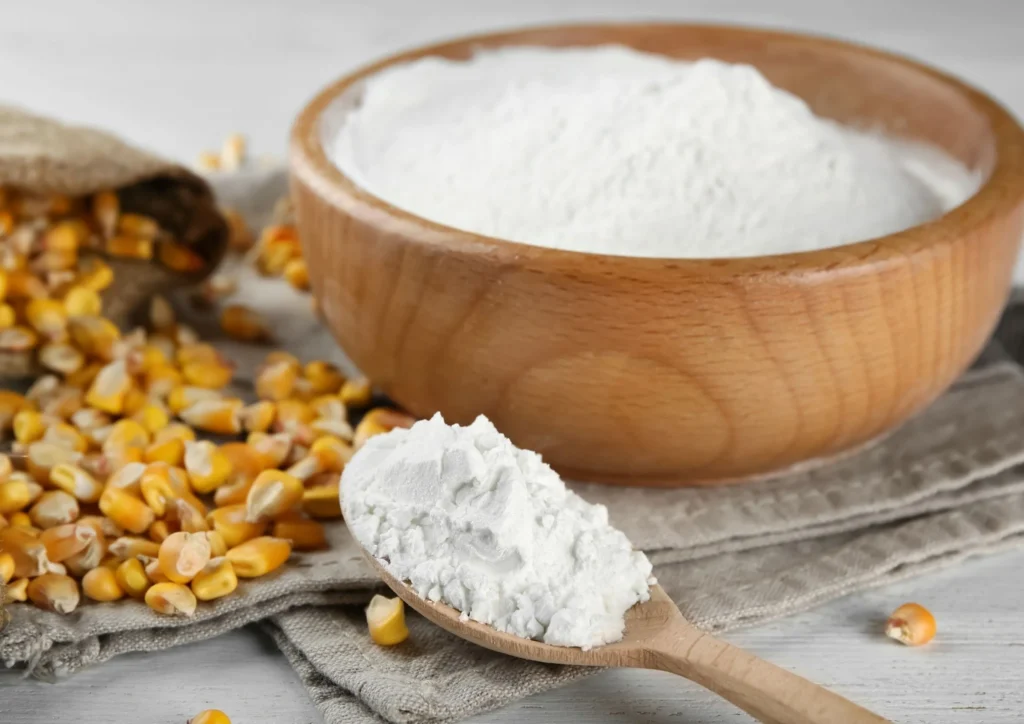
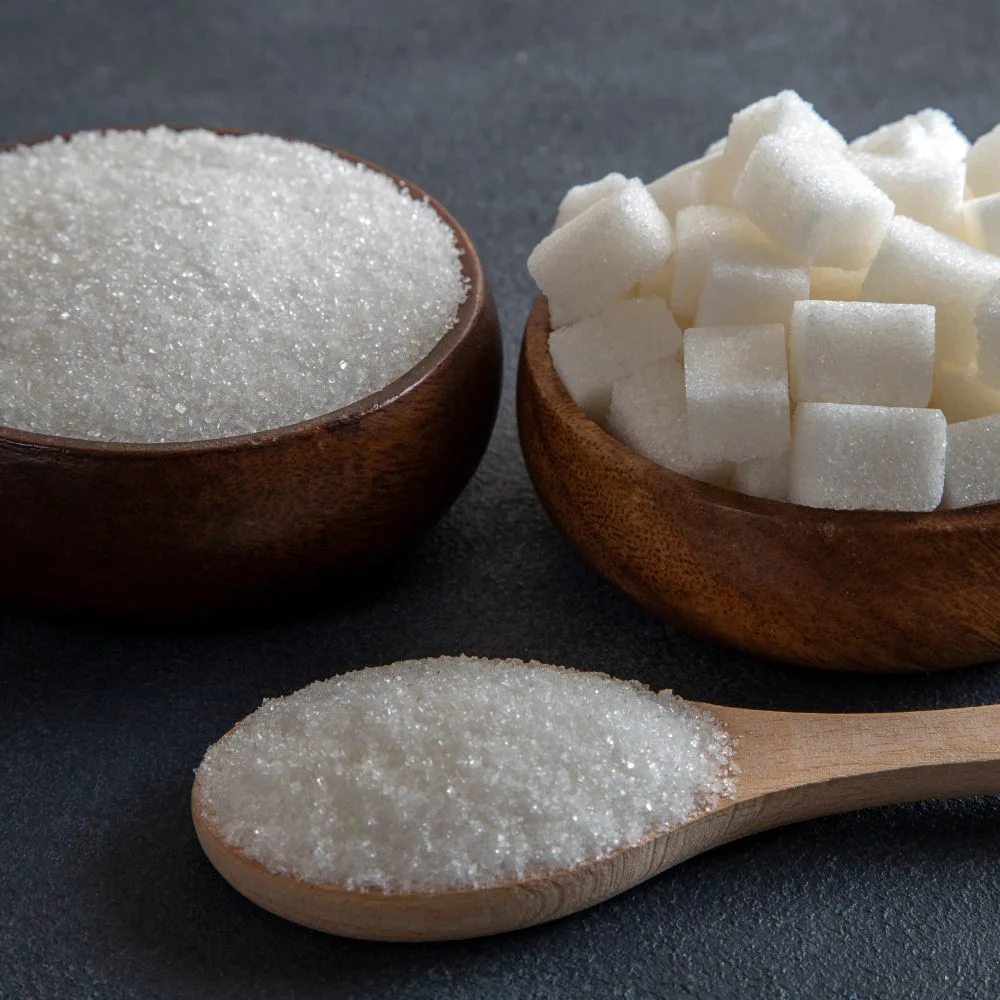
Maltodextrin is produced through the controlled enzymatic hydrolysis of food-grade starch (typically corn, cassava, or tapioca). The resulting complex polysaccharide mixture consists of D-glucose units linked primarily by α-(1→4) glycosidic bonds, characterized by a Dextrose Equivalent (DE) rating below 20. For food technical directors, plant managers, and procurement leads across Accra, Kumasi, Tema, and Takoradi, selecting the precise DE grade and sourcing from a verified factory manufacturer is crucial to ensuring product stability, shelf-life integrity, and process optimization under tropical climatic conditions.
Our export-grade maltodextrin features complete odorlessness, a clean white powder appearance, rapid dispersion without clumping, and controlled hygroscopic properties engineered specifically to withstand ambient coastal humidity levels (80%+ Relative Humidity) in West Africa.
We supply tightly standardized DE fractions: DE 5–10 (high viscosity, fat-replacer), DE 10–15 (universal carrier, non-sweet bulking agent), and DE 15–20 (high solubility, quick-release carbohydrate). Every lot is verified via High-Performance Liquid Chromatography (HPLC).
To combat Ghana’s high ambient humidity and heat during sea transit and warehouse staging in Tema, our maltodextrin is packed in heavy-duty 25kg multi-wall paper bags lined with food-grade high-density polyethylene (HDPE) film, alongside 1,000kg moisture-sealed jumbo supersacks.
Each batch undergoes rigorous microbiological testing (Zero Salmonella, E. coli, or heavy metal residues) accompanied by complete Lot-Specific Certificates of Analysis (COA), ISO 22000, HACCP, Halal, and Kosher certifications required for immediate registration with Ghana FDA.
Ghana's industrial landscape—ranging from food production zones in the Tema Free Zones Enclave to processing lines in Kumasi and Takoradi—relies on specific functional capabilities of maltodextrin powder. Below is a detailed breakdown of how our factory products are integrated locally:
Ghana is world-renowned for premium cocoa processing. Local manufacturers of instant cocoa powders, malted milk drinks, and 3-in-1 coffee sachets utilize Maltodextrin DE 15–20 as an essential dispersion aid and spray-drying carrier.
Ghanaian cuisine heavily features savory seasoning cubes, powdered broths, and processed chili/spice blends. Raw spices tend to absorb humidity and form hard lumps during storage.
Dairies operating in West Africa face extreme thermal stress during cold-chain logistics. Maltodextrin acts as a powerful texture stabilizer and freezing-point modifier.
Pharmaceutical compounding plants in Ghana require excipient-grade carbohydrates for solid dosage manufacturing.
Understanding Ghana’s macroeconomic environment and regulatory changes is essential for bulk buyers, industrial importers, and factory owners. Several key trends are redefining the maltodextrin market across West Africa:
With Accra serving as the secretariat for AfCFTA, Ghanaian food processors are scaling up capacity to export finished foods (beverages, seasonings, confectionery) duty-free to Nigeria, Côte d'Ivoire, and Francophone West Africa. Demand for bulk maltodextrin as an ingredient baseline has expanded by over 18% year-on-year.
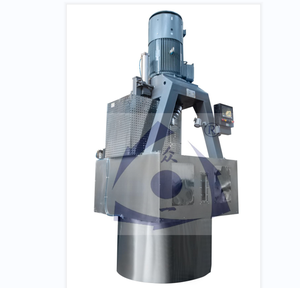
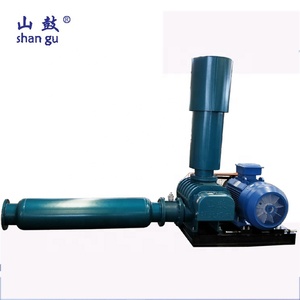
Ghana’s Ministry of Food and Agriculture (MoFA) continues to promote industrial cassava processing. Modern factories in Ghana are integrating heavy-duty starch separation centrifuges and roots blowers to produce native starch, creating hybrid opportunities for local enzymatic hydrolysis into specialized maltodextrin syrups.
Ghanaian consumers are increasingly seeking clean-label, non-GMO packaged goods. Our factory supplies certified Non-GMO corn and tapioca-derived maltodextrin powders, ensuring local manufacturers meet both domestic FDA guidelines and international export requirements.
We are not mere brokers; we are an established industrial starch hydrolysate manufacturer and processing machinery supplier with over three decades of engineering excellence. Our integrated manufacturing supply chain delivers unprecedented advantages for Ghanaian enterprises:
We manufacture maltodextrin to your exact specifications. Whether your process requires a precise bulk density (0.40–0.60 g/cm³), specific particle size distribution (80-mesh to 100-mesh), or custom DE value (e.g., DE 12–14 for specialized flavor encapsulation), our technical lab custom-formulates every batch.
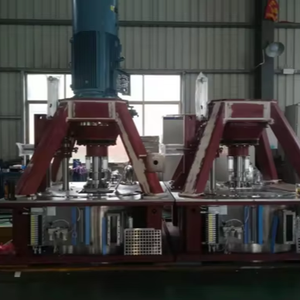
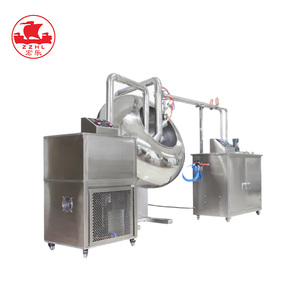
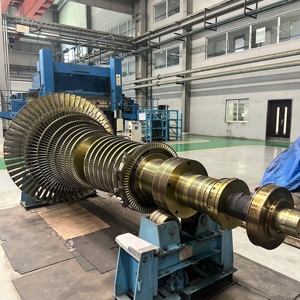
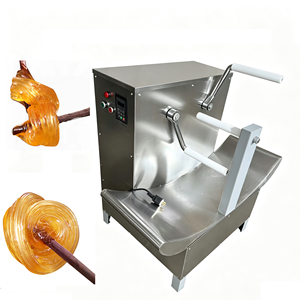
In addition to raw powder supply, we supply heavy industrial machinery to build and upgrade starch and sugar refining plants across West Africa:
Got questions regarding sea freight to Tema, Ghana FDA registration, minimum order quantities, or storage shelf-life? Find direct answers below:
Partner with an authoritative manufacturer who understands your process requirements, local West African market dynamics, and international quality standards. Contact our technical engineering and export team now for instant pricing, DE specifications, and shipping schedules to Tema Port.