Explore our certified bulk high-potency sweetener grades alongside industrial crystallization, separation, and pneumatic transfer machinery supporting enterprise-scale sweetener processing lines throughout New Zealand.
A technical overview of high-intensity sweetener engineering, crystalline purity parameters, and molecular stability for food formulators.
Sucralose (1,6-Dichloro-1,6-dideoxy-β-D-fructofuranosyl-4-chloro-4-deoxy-α-D-galactopyranoside; CAS No. 56038-13-2) stands as the premier zero-calorie, non-nutritive high-intensity sweetener utilized globally across commercial food science. Derived through the selective halogenation of sucrose—wherein three hydroxyl groups (-OH) are strategically substituted with chlorine atoms—the resulting organochlorine disaccharide delivers roughly 600 times the organoleptic sweetness impact of standard cane sugar without inducing a glycemic response or contributing metabolizable energy (0 kcal/g).
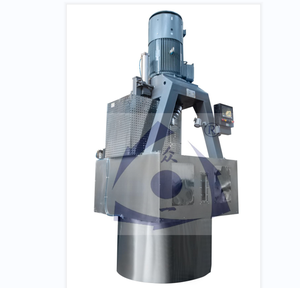
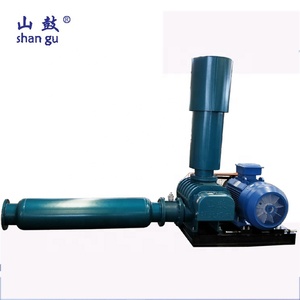
For New Zealand food chemical buyers and contract manufacturers operating under strict Food Standards Australia New Zealand (FSANZ) regulations, securing consistent purity, tight particle size distribution (PSD), and zero solvent residue is paramount. Our state-of-the-art cGMP manufacturing infrastructure integrates multi-stage crystallization, high-speed centrifugal separation, and vacuum micro-drying to yield a pure white, free-flowing crystalline powder matching USP, EP, FCC, and E955 monographs.
Unlike labile peptide-based sweeteners such as Aspartame or natural extracts with lingering bitter liquorice notes like lower-grade Steviol Glycosides (Reb A 60%), industrial bulk sucralose powder exhibits exceptional heat stability up to 120°C (and transient resistance to UHT temperatures up to 140°C). It maintains chemical integrity across a broad pH spectrum (pH 3.0 to 7.0), making it virtually immune to hydrolytic degradation during extended shelf storage in acidic beverage lines or thermal bakery processing.
| Analytical Parameter | Monograph Standard (USP / FCC / FSANZ) | Typical Factory OEM Batch Result | Test Methodology |
|---|---|---|---|
| Appearance | White to off-white crystalline powder | Pure White Free-Flowing Crystal | Visual / Organoleptic |
| Assay (Dry Basis) | 98.0% – 102.0% | 99.65% | HPLC (High-Performance Liquid Chromatography) |
| Specific Rotation [α]D20 | +84.0° to +87.5° | +85.8° | Polarimetry |
| Moisture / Loss on Drying | ≤ 2.0% | 0.24% | Karl Fischer Titration / Infrared Drying |
| Residue on Ignition (Ash) | ≤ 0.7% | 0.08% | Gravimetric Muffle Furnace (600°C) |
| Heavy Metals (as Pb) | ≤ 10 mg/kg (ppm) | < 1.0 mg/kg | ICP-MS (Inductively Coupled Plasma) |
| Arsenic (As) | ≤ 3 mg/kg | < 0.2 mg/kg | Atomic Absorption Spectrophotometry |
| Methanol (Residual Solvent) | ≤ 0.1% | Undetected (< 0.01%) | Headspace Gas Chromatography (GC-FID) |
| Particle Size / Mesh Options | 100 Mesh (Standard) / 300 Mesh (Micronized) | Tailored OEM Particle Milling | Laser Diffraction Sieve Analysis |
Engineered to elevate product formulation performance across Aotearoa's leading export and domestic manufacturing sectors.
New Zealand’s primary dairy powerhouse (centered in Waikato, Taranaki, and Canterbury) relies heavily on high-potency sweeteners for sports protein concentrates (WPC80, WPI90), flavored nutritional powders, and rehydratable dairy desserts. Bulk micronized sucralose (300 mesh) disperses seamlessly into dry dairy matrices without clumping, ensuring rapid dissolution upon liquid mixing while completely masking protein hydrolysate astringency without altering milk fat emulsification.
With boutique beverage co-packers expanding rapidly across Auckland and Wellington, low-pH carbonated soft drinks, flavored sparkling waters, functional kombuchas, and RTD hard seltzers require robust thermal and acid stability. Our OEM bulk liquid and powder sucralose retains 99%+ sweetness intensity over 18 months of ambient warehouse storage, even in formulations exhibiting pH levels as aggressive as 2.8 to 3.2.
The booming Kiwi active nutrition sector demands clean-label, zero-sugar pre-workouts, amino acid complexes (BCAAs/EAAs), and electrolyte hydration sachets. Sucralose delivers a clean, sugar-like taste curve without bitter lingering tail notes, allowing formulators to reduce artificial flavor dosing while achieving sweet perfection at fractions of a milligram per serving.
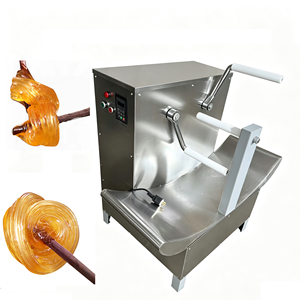
Commercial bakeries and confectionery houses seeking sugar-free claims benefit from sucralose's heat tolerance during high-temperature baking and sugar-pulling processes. It does not undergo Maillard browning, preserving product appearance and providing thermal stability through industrial ovens, syrup boiling pans, and chocolate coating turbines.
Strategic insights for procurement directors navigating shifting consumer preferences, regulatory frameworks, and supply logistics across the Pacific.
The New Zealand food and beverage ecosystem is undergoing a dramatic structural pivot toward zero-sugar, keto-friendly, and reduced-calorie product lines. Consumer health awareness, driven by public health initiatives targeting diabetes and obesity prevention, has compelled major grocery chains (including Foodstuffs and Woolworths NZ) to expand shelf allocation for sugar-free alternatives.
Simultaneously, food technologists are increasingly steering away from high fructose corn syrup (HFCS) and bulk sucrose due to volatile international commodity pricing and heavy freight logistics costs. Replacing 1,000 kg of bulk refined sugar requires approximately 1.67 kg of ultra-pure bulk sucralose powder. This exponential reduction in physical raw material bulk yields massive logistical savings—dramatically lowering shipping container volumes, warehousing footprints, and carbon emissions for New Zealand manufacturers focused on corporate ESG milestones.
While pure sucralose offers an exceptional sweetness match to sucrose, advanced ODM product engineering frequently pairs sucralose with bulking polyols or natural secondary sweeteners to recreate the mouthfeel, solids content, and osmotic pressure of sugar:
Built for international compliance, absolute batch-to-batch repeatability, and seamless import clearance through the Ministry for Primary Industries (MPI).
Our manufacturing lines operate under rigorous FSSC 22000, ISO 22000, HACCP, Halal, Kosher (Parchve), and cGMP quality management systems. Every drum is traceable from crude raw synthesis to final palleted dispatch.
We offer specialized moisture-barrier packaging tailored for long-distance maritime transport into humid port environments: 25 kg fiber drums with double food-grade PE liners, 10 kg aluminium foil barrier cartons, and custom private-label bulk bags.
Streamlined logistics routes directly linking primary Asian manufacturing hubs to key New Zealand ports—Port of Auckland, Port of Tauranga, and Lyttelton Port (Christchurch)—ensuring reliable 10–14 day sea transport with complete MPI import paperwork clearance support.
Clear technical and commercial answers addressing regulatory, storage, ordering, and application queries for Kiwi buyers.
In New Zealand, Sucralose is permitted as a food additive under the Joint Food Standards Australia New Zealand (FSANZ) Code Standard 1.3.1 (Food Additives), designated under INS 955 (E955). It is approved for use across multiple food categories, including non-alcoholic water-based beverages, dairy desserts, confectionery, and special dietary foods, subject to Good Manufacturing Practice (GMP) maximum limits. Full regulatory dossiers and COA parameters are provided to simplify your local MPI compliance audits.
Sucralose exhibits high thermal tolerance compared to other intense sweeteners. Under standard UHT thermal profiles (e.g., 138°C to 142°C for 2 to 5 seconds) utilized in modern Kiwi dairy plants, sucralose breakdown is negligible (< 0.1%). It retains full organoleptic intensity without generating off-notes or degrading into chlorinated monosaccharide fragments.
For dry powder applications—such as sports whey isolates, dietary sachets, or bakery mixes—we recommend our Micronized 300 Mesh Powder to prevent sedimentation and ensure uniform dispersion throughout the dry batch. For liquid beverage batching with active high-shear tanks, our Standard 100 Mesh Crystalline Powder dissolves rapidly in cold or warm water without producing airborne micro-dust.
Our OEM bulk sucralose powder carries a certified 2-year (24 months) shelf life from the date of manufacture when stored in unopened original packaging. During ocean transport and storage in maritime climates (such as Auckland or Christchurch), containers should be maintained in cool, dry conditions (≤ 25°C / 77°F and relative humidity < 60%). Our double-layer PE foil barrier drums effectively prevent moisture absorption and caking.
Standard export MOQs begin at 100 kg (4 x 25 kg fiber drums) for standard 100-mesh powder. For custom OEM particle milling, specialized dry blending (e.g., Sucralose + Erythritol ratios), or private-label packaging, the MOQ is typically 500 kg. Complimentary 200g laboratory samples, complete with batch HPLC COA, SDS, and specification sheets, are dispatched via air courier (DHL/FedEx) to qualified New Zealand corporate formulators upon request.
Our production facilities operate strictly dedicated synthesis, purification, and drying suites exclusively for high-potency sweeteners. Zero top-eight allergens (including dairy, soy, gluten, nuts, or seafood derivatives) enter our processing buildings. Every batch undergoes rigorous allergen testing and screening for heavy metals, pesticides, and residual solvents prior to QA release.
Request factory-direct wholesale quotes, custom OEM dry-blend specifications, and complimentary laboratory sample kits delivered straight to your New Zealand production facility.