High-performance centrifuges, pneumatic transfer blowers, energy recovery turbines, and commercial sugar processing machinery engineered for raw sugar refining and food production.
The Greater Seoul Metropolitan Area (comprising Seoul, Incheon, and Gyeonggi-do) represents one of East Asia’s most densely concentrated hubs for advanced food manufacturing, beverage bottling, pharmaceutical fermentation, and confectionery production. To maintain competitive advantage, procurement officers and plant engineers require a stable, high-purity supply of raw cane sugar combined with modern industrial processing machinery capable of continuous operation under rigorous quality guidelines.
Raw sugar—specifically Very High Polarization (VHP) raw cane sugar ranging between ICUMSA 600 and 1200—serves as the indispensable foundation for South Korea's refinery ecosystems and large-scale food processors. Importing raw sugar into Seoul demands an end-to-end understanding of international maritime logistics, quarantine controls enforced by the Ministry of Food and Drug Safety (MFDS), precise physical-chemical parameters (Brix, sucrose content, ash percentage, moisture level), and heavy-duty extraction and separation machinery.
South Korean commercial refiners and food processing giants (such as those operating out of Incheon Port logistics zones and Gyeonggi industrial parks) set stringent physical and chemical specifications for raw cane sugar imports. Below is the technical benchmark enforced across our mill direct exports:
| Quality Parameter | VHP Raw Sugar Standard | High-Color Raw Sugar Grade | Testing Method / Compliance |
|---|---|---|---|
| Polarization (°Z) | 99.20% Minimum to 99.50% Max | 98.50% to 99.00% | ICUMSA GS1/2/3-1 (2011) |
| ICUMSA Color Rating | 600 – 1200 IU (Units) | 1200 – 2000 IU | ICUMSA Method GS2/3-9 |
| Moisture Content | 0.06% Maximum | 0.12% Maximum | Vacuum Oven Drying (105°C) |
| Sulfated Ash Content | 0.15% Maximum | 0.30% Maximum | Gravimetric Method |
| Solubility / Brix | 99.8% Soluble Dry Matter | 99.5% Soluble Dry Matter | Refractometric Brix |
| Heavy Metals & Residues | Lead <0.5 mg/kg, Arsenic <1.0 mg/kg | MFDS Standard Compliant | ICP-MS Spectrometry |
Raw sugar exported to the Seoul capital area feeds into diverse downstream processing lines. Each industry segment demands tailored physical granulations, specific sucrose solubilities, and dedicated machinery for handling syrup concentration, pneumatic conveying, and pan coating.
Seoul is the global nerve center for K-Food exports (Gochujang hot pepper pastes, Bulgogi marinades, seasoned syrups). Bulk raw cane sugar provides caramelization depth, viscosity, and natural preservation required for long ocean freight export shelf-life.
Bottling plants in Gyeonggi-do process imported raw sugar into continuous 67° Brix liquid sucrose syrup. Utilizing high-efficiency 501-1000L/h SS304/316L centrifuges ensures clear syrup clarification prior to carbonation and thermal pasteurization.
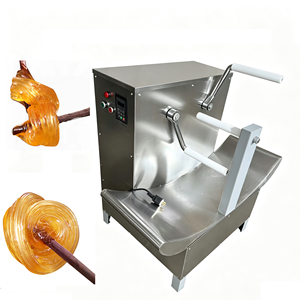
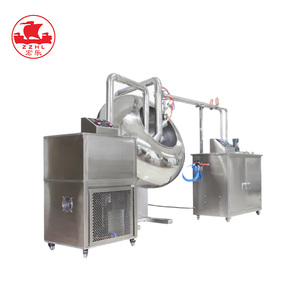
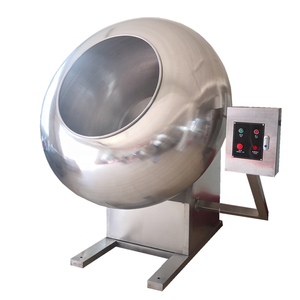
From artisanal confectionery workshops in Seoul to commercial candy manufacturers, raw sugar syrup is conditioned and applied using advanced commercial industrial sugar chocolate coating turbines with digital touch controls.
South Korea's advanced biotech facilities use high-polarization raw sugar as a carbon substrate for amino acid fermentation (L-lysine, MSG), enzyme production, and bio-pharmaceutical active ingredient synthesis.
Delivering high-grade raw sugar to international markets like Seoul requires an integrated factory eco-system. Sourcing raw sugar is intrinsically tied to the efficiency of the sugar mill machinery. As a comprehensive manufacturer and exporter, our engineering infrastructure combines high-capacity cane crushing, energy-saving syrup centrifuges, pneumatic Roots blowers, and steam turbine power generators.
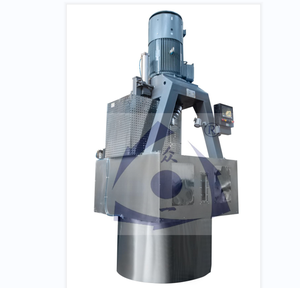
Centrifugation is the operational core of raw sugar refining. After sucrose crystallization in vacuum pans, the resulting massecuite (a mixture of sugar crystals and mother liquor) must be separated at high G-force. Our energy-saving sugar centrifuges (ranging from 501 to 1000 L/h capacity) utilize precision-engineered SS316L baskets resistant to acidic corrosion and mechanical stress.
The operational cycle involves rapid acceleration up to 1,200–1,500 RPM, creating centrifugal force exceeding 1,000 Gs. This forces the molten molasses through micro-perforated stainless screens while retaining pure sucrose crystals. Modern frequency-inverter drives reduce power consumption by up to 30%, ensuring energy efficiency across round-the-clock refining schedules.
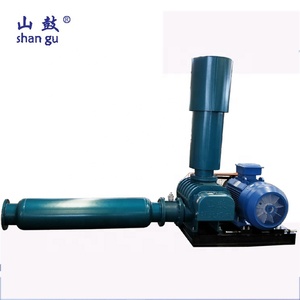
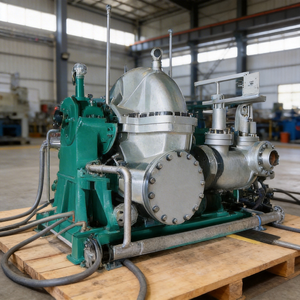
Once separated and dried, bulk raw sugar and crystalline sucrose must be transported across the refinery to storage silos or packaging lines without crystal degradation or dust build-up. Positive displacement Sugar Plant Roots Blowers supercharge pneumatic transfer lines, creating steady volumetric air displacement at controlled pressure differentials (30 to 80 kPa). This low-velocity, high-density pneumatic conveying prevents sugar attrition while preserving grain size distribution demanded by Korean buyers.
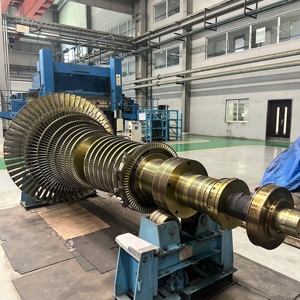
Modern raw sugar production must meet international ESG standards and maintain carbon-neutral operational footprints. Sugar mills utilize sugarcane bagasse (the fibrous residue remaining after crushing) as a primary biofuel. Our Sugar Mill Steam Turbine Generators (1MW, 2MW, 3MW, 4MW, 5MW output power) convert high-pressure steam generated from bagasse boilers into mechanical driving energy and green electricity.
By producing internal power for mill operations—including driving heavy-duty crushers, high-speed centrifuges, and refinery pumps—the factory operates off-grid with zero thermal waste, transferring these operational cost savings directly to end-buyers in Seoul through lower landed container prices.
Navigating the South Korean market requires alignment with evolving consumer tastes, government trade policies, and strict import documentation. Key market dynamics currently shaping raw sugar procurement for Seoul include:
As a combined sugar producer, raw sugar exporter, and sugar processing equipment manufacturer, our integrated business model eliminates middleman markups while providing complete quality assurance from mill to vessel arrival in South Korea.
Long-term supply agreements with primary sugarcane plantations and state-of-the-art milling facilities guarantee price stability against commodity market fluctuations (#11 and #16 contracts).
Every single export lot undergoes third-party lab inspection (SGS/Intertek) with a complete Certificate of Analysis covering polarization, moisture, ICUMSA color rating, and microbiological purity.
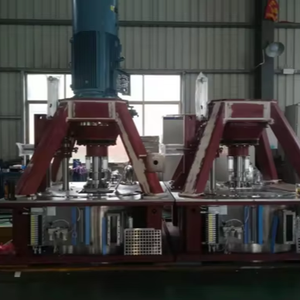
Beyond raw sugar commodities, we manufacture and export continuous centrifuges, Roots blowers, steam turbines, and chocolate coating machinery engineered for industrial food facilities.
Essential guidance regarding raw sugar importation, customs clearance, shipping schedules to Incheon/Busan, and technical equipment selection.
Connect with our engineering and commodity export team today to receive landed container pricing for Seoul, request product spec sheets, or inquire about our sugar processing machinery solutions.
Inquire Now