Explore our certified portfolio of bulk sucrose liquids, high-purity mono-hydrates, rare sugars, and natural polyols engineered for precise browning control, microbiological safety, and freezing point depression in food and dairy processing.

The UK dairy and chilled dessert processing sector represents a £12 billion supply ecosystem, with Greater London, the M25 corridor, and the surrounding Home Counties serving as the primary hub for premium dairy manufacturing, artisanal gelato production, functional fermented milks, and rapidly expanding plant-based dairy alternatives. Selecting a certified manufacturer of dairy-grade liquid sugar is not merely a purchasing exercise—it is a mission-critical quality engineering decision.
Unlike standard industrial liquid sucrose utilized in soft drink bottling, dairy-grade liquid sugar must satisfy rigorous microbiological, physical, and chemical criteria. Dairy substrates provide an ideal medium for microbial proliferation; thus, any introduced carbohydrate syrup must adhere to strict limits regarding osmophilic yeasts, molds, and mesophilic bacteria, while exhibiting total absence of thermophilic spores capable of surviving Ultra-High Temperature (UHT) pasteurization cycles.
Standard liquid sugar (ICUMSA 150-400) often harbors micro-traces of ash and proteins that can destabilize milk protein matrices (casein micelles) during heat treatment, causing unwanted fouling in tubular heat exchangers. Dairy-grade liquid sucrose mandates an ICUMSA color index below 45, refractoriness at precisely 66.5° to 67.5° Brix, and phase stability at storage temperatures down to 10°C to prevent crystallization in automated bulk holding tanks.
Procurement teams operating plants in Park Royal, Thames Gateway, or the Kent/Essex industrial sectors must benchmark liquid sugar suppliers against six primary technical specifications:
| Quality Parameter | Standard Industrial Liquid Sugar | Dairy-Grade Liquid Sucrose (Premium) | Impact on Dairy Processing |
|---|---|---|---|
| Refractometric Brix | 66.0° - 68.0° Brix | 66.5° - 67.5° Brix (Strict Tolerance) | Ensures exact dosage accuracy in continuous inline metering systems without diluting milk solids non-fat (MSNF). |
| ICUMSA Color | Max 150 - 300 IU | Max 25 - 45 IU (Ultra-Clear) | Prevents unwanted yellowing or off-color tones in white milk bases, heavy creams, and premium mozzarella liquids. |
| Mesophilic Bacteria | < 200 CFU / 10g | < 10 CFU / 10g | Prevents early spoilage and micro-fermentation during raw milk blending and low-temp storage. |
| Osmophilic Yeasts & Molds | < 50 CFU / 10g | < 2 CFU / 10g (Absence in 10g) | Critical for extended shelf-life yogurts, flavored quark, and unpasteurized artisanal gelato mixes. |
| Ash Content (Conductometric) | < 0.10% | < 0.02% | Eliminates trace minerals that trigger casein micelle coagulation during pasteurization. |
| Invert Sugar Ratio | Variable (up to 5.0%) | Controlled (< 0.5% or custom 50/50 invert) | Regulates freezing point depression (FPDF) in ice cream formulations and controls Maillard browning during UHT processing. |
Based on audited microbiological standards, supply chain resilience across the M25 Low Emission Zone (ULEZ), delivery lead times, and technical support capabilities, the following detailed assessment outlines the premier manufacturers and industrial supply networks servicing London's dairy industry.
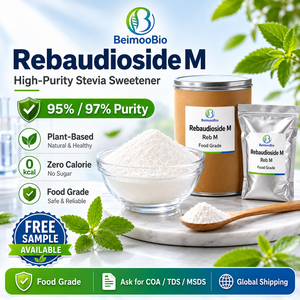
Operating an extensive international refiner partnership and UK distribution grid, US Sweeteners specializes in high-purity liquid sucrose (67° Brix), custom dextrose monohydrate blends, and rare sugars like Allulose and Stevia Reb M. Equipped with multi-site bulk terminal access, they supply London dairy facilities with dedicated heated food-grade tankers and stainless IBC totes supported by lot-level COAs.
As the dominant UK beet sugar producer, British Sugar operates advanced refining infrastructure supplying liquid sucrose and partial invert syrups directly to Eastern and Southern England. Their dedicated tanker fleet serves major high-volume dairy plants near North and East London.
Located directly on the Thames in East London (Silvertown), Tate & Lyle Sugars refines imported raw cane sugar into high-specification liquid sucrose. Their proximity to Central London facilitates rapid tanker dispatch to dairy units within the M25 ring.
Europe’s largest sugar producer exports specialized dairy-grade syrups into UK East Coast ports (Tilbury, Purfleet). They excel in ultra-pure liquid beet sucrose and specialized glucose-fructose syrups for cultured dairy applications.
Tereos supplies liquid sugars, liquid glucose, and custom liquid blends to international food manufacturers. Their distribution network into Greater London features temperature-controlled tank containers designed for medium-scale dairy processors.
Austria-based Agrana delivers refined liquid sugars and organic-certified fruit sweeteners directly into UK dairy manufacturing systems. They are a favored supplier for organic yogurt and premium ice cream manufacturers.
A global leader in plant-based ingredients, Roquette supplies liquid sorbitol, liquid maltitol, and specialized corn-derived liquid dextrose to London dairy factories formulating sugar-free, low-glycemic, or keto-friendly frozen desserts.
Cargill operates extensive refining networks across Europe, dispatching liquid glucose, liquid sucrose, and custom sweetener formulations to large-scale UK dairies requiring contracted volume security.
Based west of London in Slough, Ragus specializes in custom formulations of liquid sugars, invert syrups, and molasses. Their proximity allows for rapid tanker response to West London and M4 corridor dairy hubs.
Representing French agricultural cooperatives, Cristalco ships high-purity liquid beet sucrose and liquid fructose into the UK market, backing customer operations with full agricultural traceability.
London's food manufacturing market possesses unique operational dynamics. Facilities operate under strict environmental noise regulations, urban congestion charges, tight warehouse footprints, and demanding local retail distribution schedules. Below are four key application scenarios where dairy-grade liquid sugar provides definitive functional advantages over dry sugar dissolving systems:
In high-end gelato production, controlling scoopability, crystal size, and hardness at -14°C requires exact balancing of sucrose and monosaccharides (dextrose/glucose). Utilizing pre-dissolved 67° Brix liquid sucrose combined with Dextrose Monohydrate 99% Purity eliminates batch-to-batch variation in Freezing Point Depression Factor (FPDF). Liquid dosing prevents thermal lag associated with dissolving granulated sugar in pasteurization vats, preserving delicate cream volatiles.
In automated flavored milk processing (chocolate, strawberry, coffee creamers), dry sugar additions can introduce airborne dust that contaminates filler rooms. Liquid sugar is metered inline directly prior to homogenizers. Ultra-clear liquid sucrose (ICUMSA < 25) reduces Maillard browning reactions during 140°C UHT sterilization, yielding a clean, white aesthetic in creamers and preventing scorched notes.
In cultured dairy manufacturing, adding liquid sucrose after fermentation prevents osmotic stress on live cultures (such as Lactobacillus bulgaricus and Streptococcus thermophilus). Suppliers providing low-microbe liquid sugar ensure that wild yeasts (e.g., Torulopsis holmii) are not introduced into fruit prep or sweetened yogurt bases, preventing gas formation and lid swelling during retail display.
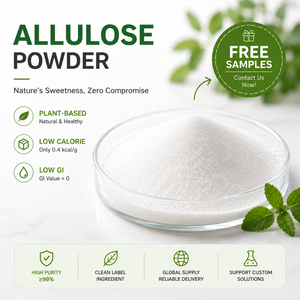
London represents the UK's highest consumer market for plant-based milks. Formulating oat or almond milk to match standard dairy mouthfeel often requires replacing natural lactose. Utilizing rare sugars like Bulk Allulose 99% Purity or Stevia Reb M Powder alongside liquid sucrose allows processors to match the sweetness curve of dairy without triggering high calorie declarations under UK HFSS guidelines.
Procurement strategies in London must navigate a rapidly evolving regulatory landscape. Key market drivers include:
The UK High in Fat, Sugar, and Salt (HFSS) regulations restrict prominent end-cap displays and TV advertising for sweetened dairy products exceeding target sugar thresholds. Processors are increasingly adopting partial liquid sugar replacement using high-intensity sweetening agents like Stevia Reb M (99% purity) and functional polyols such as Isomalt to maintain volume while avoiding HFSS promotional penalties.
With Greater London’s Ultra Low Emission Zone (ULEZ) enforcing strict charges on heavy goods vehicles (HGVs), leading liquid sugar distributors are migrating to Euro VI compliance and zero-emission electric tanker fleets. Delivering 30-tonne bulk liquid tankers directly into central London processing plants significantly reduces per-kilogram transport carbon metrics versus hauling dry bagged sugar by traditional box trucks.
UK retailers require BRCGS certification throughout the ingredient chain. Liquid sugar suppliers servicing London facilities must maintain automated CIP (Clean-in-Place) records for tank trailers, sterile air filtration during tanker unloading, and comprehensive lot traceability linking delivered liquid batches back to primary sugar refiners.
As a specialized supplier operating across global refining channels and localized UK distribution hubs, US Sweeteners delivers systemic purchasing advantages for industrial dairy processors:
Connect directly with our senior technical sales team to request liquid sugar samples, complete specification sheets, or schedule a bulk tanker trial for your London manufacturing facility.
Send an Inquiry