Explore our certified high-purity Crystalline Fructose grades alongside our specialized sugar processing, centrifugal separation, and thermal power equipment operating across Asian refineries.
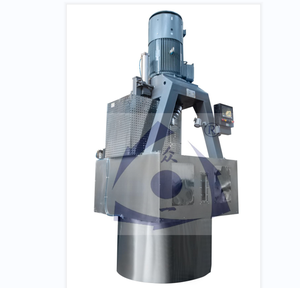
Precision syrup separation equipment ensuring ultra-pure fructose crystallization with low moisture retention.
Get Catalog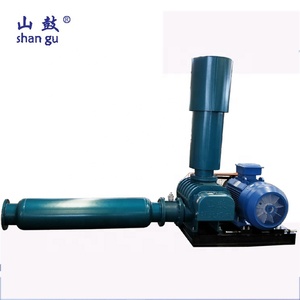
Supercharged pneumatic conveying systems engineered for dry sugar crystal transport without mechanical grain degradation.
Get Catalog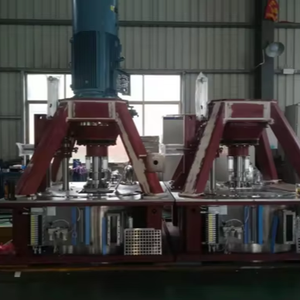
Heavy-duty syrup processing centrifuge maximizing crystal yield and reducing kilowatt consumption per ton.
Get Catalog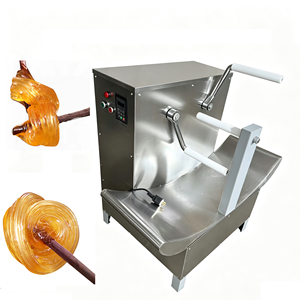
Commercial confectionary equipment for aerating sugar masses, controlling gloss, and optimizing texture.
Get Catalog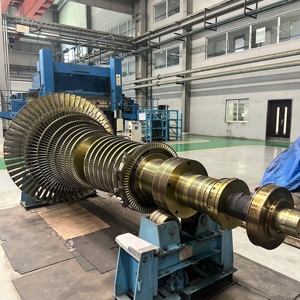
Bagasse-compatible thermal power turbines designed for continuous green energy self-sufficiency in sugar mills.
Get Catalog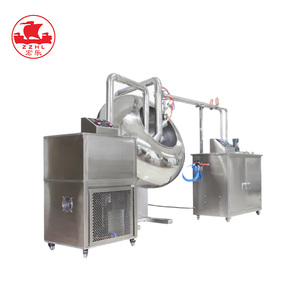
Rotary panning coating turbines delivering uniform crystal encapsulation for confectionery and pharmaceuticals.
Get Catalog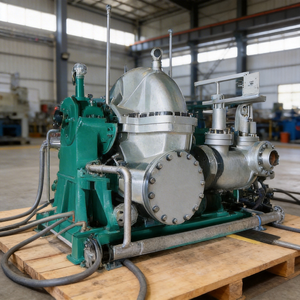
High-torque industrial turbines driving heavy mill machinery and co-generating electricity for food manufacturing plants.
Get Catalog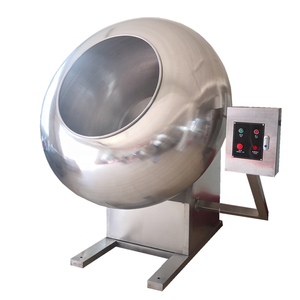
PLC-automated coating turbine with automated speed control and environmental air-blowing capabilities.
Get CatalogCrystalline Fructose (C6H12O6, CAS Number 57-48-7) is a monosaccharide ketohexose that represents the sweetest naturally occurring carbohydrate sweetener available to industrial food formulators. Processed through advanced enzymatic isomerization of starch hydrolysates followed by chromatographic separation, evaporation, and specialized cooling crystallization, food-grade crystalline fructose provides distinct physical, chemical, and metabolic characteristics compared to traditional sucrose, high fructose corn syrup (HFCS-55 / HFCS-42), and glucose dextrose powders.
In chilled liquid phase formulations, pure crystalline fructose exhibits a sweetness profile ranging from 1.2 to 1.8 times the sweetness of standard sucrose. This non-linear sweetness response is directly tied to tautomeric equilibrium: at cooler temperatures (5°C to 20°C), fructose predominantly exists in its β-D-fructopyranose form, which possesses the highest sweetness intensity. Consequently, food and beverage manufacturers in Thailand can achieve identical sensory sweetness levels while reducing overall caloric content and total carbohydrate mass by 20% to 35%.
| Property / Parameter | Crystalline Fructose | Granulated Sucrose | Dextrose Monohydrate | HFCS-55 (Liquid) |
|---|---|---|---|---|
| Chemical Structure | Monosaccharide (Ketohexose) | Disaccharide (Glucose+Fructose) | Monosaccharide (Aldohexose) | Free Monosaccharide Blend |
| Relative Sweetness (Chilled Liquid) | 120 – 180 (Base 100) | 100 | 70 – 75 | 100 – 105 |
| Glycemic Index (GI) | 19 ± 2 | 65 ± 5 | 100 | 68 ± 6 |
| Solubility in Water (20°C) | 375 g / 100 ml | 204 g / 100 ml | 91 g / 100 ml | N/A (Liquid Syrup) |
| Caloric Reduction Capacity | High (Due to higher sweetness) | Baseline | Low | Moderate |
| Hygroscopicity & Freezing Point Depression | Very High / Superior | Moderate | Moderate | High |
For B2B procurement managers and R&D engineers operating in ASEAN beverage plants, crystalline fructose offers exceptional synergistic effects when combined with high-intensity sweeteners (such as Steviol Glycosides, Sucralose, or Acesulfame-K). By masking the lingering metallic aftertaste of non-nutritive sweeteners and rounding out the mid-palate mouthfeel, crystalline fructose allows developers to create low-calorie "zero-sugar added" products that retain authentic sugar-like sensory profiles.
Thailand serves as the premier food processing hub of Southeast Asia ("Kitchen of the World"). The integration of crystalline fructose into local production lines yields significant economic, functional, and sensory advantages across several key sector applications within the Thai food ecosystem.
Thailand's booming Ready-To-Drink tea market (e.g., green tea, herbal infusions, functional vitamin waters) heavily utilizes crystalline fructose. Because Thai consumers consume beverages cold or over ice, fructose delivers its peak sweetness intensity at low temperatures, enabling clean flavor release, enhanced botanical aroma perception, and reduced sugar loading.
In major fruit processing hubs across Rayong, Chanthaburi, and Chiang Mai, crystalline fructose acts as a superior osmotic agent for canned pineapple, mango purées, and dried fruit preserves. Its high solubility ensures rapid penetration into fruit tissue, preserving natural cellular structure, maintaining vivid color brightness, and preventing sucrose crystallization in concentrated fruit jams.
Due to Thailand's tropical climate, sports drinks and rehydration powders are staple consumer goods. Crystalline fructose provides a low glycemic index (GI 19) energy source that metabolizes independently of insulin through hepatic fructokinase pathways. Combined with glucose, it enhances intestinal fluid absorption via co-transport mechanisms (SGLUT-1 and GLUT-5 transporters).
Commercial producers of Sweet Chili Sauce, Nam Jim Jaew, and curry pastes rely on fructose to deliver high-solids shine and accelerated Maillard browning during thermal processing. The rapid reactivity of fructose reducing groups creates appealing caramel hues and deep savory flavor notes while controlling free water activity (aw).
Crystalline fructose exerts twice the freezing point depression of sucrose, preventing ice crystal growth in ice creams, soft serves, and frozen yogurts. In sweetened condensed milk and coconut dairy blends, it controls viscosity, prevents sandiness, and ensures a smooth, scoopable mouthfeel even under sub-zero storage conditions.
In industrial bakeries located around Bangkok and Samut Prakan, crystalline fructose functions as an exceptional humectant. It attracts and retains ambient moisture, extending product shelf life, inhibiting starch retrogradation, and maintaining crumb softness in baked snacks distributed through convenience retail chains.
Thailand’s Ministry of Finance continuously enforces progressive excise tax brackets on non-alcoholic sugar-sweetened beverages (SSBs) to promote public health. The tax structure levies duty based on sugar content per 100 milliliters. Under Phase 3 regulations, beverages containing more than 6 grams of sugar per 100 ml face steep per-liter tax penalties, with even stricter thresholds under upcoming phases.
For beverage manufacturers, reformulating from cane sugar (sucrose) or HFCS to pure Crystalline Fructose is the most cost-effective solution. Because fructose provides up to 1.8x sweetness in cold drinks, formulators can drop total sugar content from 10g/100ml down to 5.8g/100ml without altering taste intensity or consumer acceptance—effectively placing the beverage into a zero or minimum excise tax bracket and saving millions of THB annually in manufacturing overhead.
Importing industrial raw materials into Thailand requires meticulous documentation that satisfies the Thai Food and Drug Administration (สำนักงานคณะกรรมการอาหารและยา - FDA) and the Central Islamic Council of Thailand (CICOT). Our manufacturing facility supplies complete regulatory dossier packages for seamless clearance:
Thailand’s high relative humidity (averages exceeding 75-80% RH in coastal industrial zones) presents significant challenge for hygroscopic powders like crystalline fructose. Unprotected bulk fructose absorbs atmospheric moisture, leading to caking, lump formation, and hopper clogging during pneumatic conveying.
To ensure 100% free-flowing performance upon discharge at your Bangkok or Chonburi facility, our bulk crystalline fructose features specialized multi-layer packaging: an outer woven polypropylene bag backed by a high-barrier polyethylene (PE) inner liner, nitrogen gas flushing option, and anti-caking particle sizing engineered specifically for tropical transit and long-term storage.
Our competitive advantage as a top trusted bulk crystalline fructose manufacturer rests on complete end-to-end control over both the biochemical refining process and the heavy machinery required to process sugars at global scale. Unlike trading brokers, our manufacturing ecosystem integrates advanced equipment engineering directly into refining infrastructure:
Utilizing high-speed centrifuges (501-1000L/h capacity, SS316L liquid contact contact surfaces), our continuous crystallization lines separate mother liquor from fructose crystals at high G-forces, achieving industry-leading purity and low color ratings (<10 ICUMSA).
Equipped with Roots blower pneumatic conveyance systems, dry fructose crystals are gently transferred through closed-loop filtered pipelines, eliminating airborne contaminants and maintaining pristine particle size distribution (20-40 mesh or custom fine powder).
Our refinery operates bagasse-fired thermal power plants equipped with 1MW to 5MW steam turbine generators, dramatically lowering our carbon footprint and securing low-cost electrical power that keeps bulk sweetener supply prices stable against global market fluctuations.
Connect directly with our senior application specialists and global sales engineers. We provide custom mesh sizing, tailored bulk packaging, prompt CIF Laem Chabang pricing, and full Thai FDA documentation support.
Get Catalog