Combining direct bulk sweetener supply with engineered sugar processing equipment for optimal yield, crystallization purity, and reliable delivery to Brazilian ports.



An authoritative technical analysis for procurement directors, QA managers, and R&D formulators across Brazil's food, pharmaceutical, and oral hygiene sectors.
As the Latin American food and beverage landscape undergoes a rapid shift toward sugar reduction, Brazil stands as the primary hub for low-glycemic, diabetic-friendly, and dental-health formulations. Xylitol (C₅H₁₂O₅)—a five-carbon sugar alcohol (polyol)—has evolved from a specialized sweetener into a mainstream industrial substitute for sucrose. Boasting an identical sweetness intensity to cane sugar (1:1 ratio) alongside a negative heat of solution (-36.5 cal/g), high-purity bulk xylitol provides Brazilian food manufacturers and pharmaceutical compounders with distinct functional, sensory, and dental-protective capabilities.
However, securing a resilient, cost-effective, and fully compliant bulk supply chain into Brazil requires overcoming stringent regulatory framework hurdles set by ANVISA (Agência Nacional de Vigilância Sanitária), navigating Mercosur tariff brackets (NCM 2905.49.00), and maintaining strict physical property consistency across large-scale ocean freight transit. As a premier global manufacturer and direct exporter of bulk xylitol, our facility bridges high-capacity biotechnology refining with end-to-end logistics solutions customized for importers in São Paulo, Rio de Janeiro, Santa Catarina, and beyond.
To assist Brazilian product developers in optimizing recipes, the table below provides an empirical comparison of industrial-grade Xylitol against other high-volume nutritive and non-nutritive bulk sweetening agents stocked for international export.
| Sweetening Parameter | Bulk Xylitol (C₅H₁₂O₅) | Erythritol (C₄H₁₀O₄) | Sorbitol (C₆H₁₄O₆) | Sucrose (C₁₂H₂₂O₁₁) | Maltitol (C₁₂H₂₄O₁₁) |
|---|---|---|---|---|---|
| Relative Sweetness (Sucrose=100%) | 100% (1.0) | 70% (0.7) | 60% (0.6) | 100% (1.0) | 90% (0.9) |
| Caloric Value (kcal/g) | 2.4 kcal/g | 0.2 kcal/g | 2.6 kcal/g | 4.0 kcal/g | 2.1 kcal/g |
| Glycemic Index (GI) | 7 - 13 | 0 - 1 | 4 - 9 | 65 | 35 |
| Heat of Solution (Cooling Effect) | -36.5 cal/g (Strong) | :-43.0 cal/g (Extreme)-26.0 cal/g (Moderate) | -4.3 cal/g (Neutral) | -18.9 cal/g (Mild) | |
| Solubility in Water (20°C) | 64.2 g / 100g H₂O | 37.0 g / 100g H₂O | 235 g / 100g H₂O | 200 g / 100g H₂O | 175 g / 100g H₂O |
| ANVISA / FDA Caries Claim | Non-Cariogenic / Inhibitory | Non-Cariogenic | Non-Cariogenic | Cariogenic | Non-Cariogenic |
| Melting Point Range | 92°C - 96°C | 121°C - 123°C | 95°C - 98°C | 186°C | 145°C - 148°C |
Exporting raw food ingredients and pharmaceutical excipients into Brazil requires uncompromising adherence to local sanitary authorities. Brazilian importers must clear customs under specific legal documentation frameworks:
Different industrial processes mandate exact physical particle sizes to ensure homogeneous blending, prevent segregration, or control dissolution rates. We supply Brazilian facilities with standardized and customized mesh cuts:
Packaging options include multi-ply 25kg paper bags with polyethylene moisture-barrier inner liners (palletized at 1,000kg per shrink-wrapped skid) and 1,000kg heavy-duty bulk supersacks fitted with top-filling and bottom-discharge spouts for automated industrial hoppers.
From dentifrice production in São Paulo to zero-sugar confectionery in Rio Grande do Sul, discover how bulk xylitol integrates into specialized local industrial applications.
Widely utilized by leading Brazilian oral care brands in toothpaste, mouthwash, and dental gels. Xylitol acts as a non-fermentable humectant that prevents enamel demineralization, remineralizes early caries lesions, and enhances mint flavor perception through its distinct endothermic cooling sensation.
Serves as a premium functional excipient for direct compression chewable tablets, vitamin gummies, pediatric cough syrups, and nasal care rinses. Xylitol provides sweetness without triggering insulin spikes, fulfilling strict diabetic-care requirements under ANVISA pharmacopeia standards.
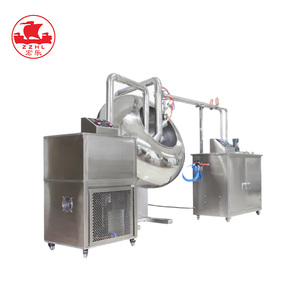
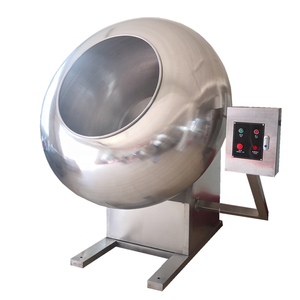
Essential for hard-panned chewing gum coatings, zero-sugar chocolates, mints, and gummies. Combined with our advanced stainless-steel coating turbines, xylitol produces crisp, shiny, high-durability coated shells with superior shelf-life stability in humid tropical climates.
Employed in low-calorie fruit juices, sports nutrition RTDs, yogurt bases, and plant-based milk alternatives. Xylitol masks the lingering bitter aftertaste of high-intensity natural sweeteners like Stevia (Reb A/Reb M) while adding full body and mouthfeel.
Understanding the consumer shift, supply chain resilience, and economic drivers behind bulk polyol imports in South America.
Brazil represents the largest consumer market in South America for health-conscious food products. According to recent market intelligence, over 60% of Brazilian urban consumers actively seek out products labeled "Zero Açúcar" (Zero Sugar), "Sem Adição de Açúcares" (No Added Sugar), or "Baixo Índice Glicêmico" (Low Glycemic Index). This trend is fueled by rising national awareness of diabetes, obesity, and oral health, combined with government-backed public health campaigns advocating for reduced sucrose intake.
Clear, technical answers regarding ordering, regulatory documentation, logistics, custom packaging, and quality guarantees for Brazilian B2B buyers.
Our standard Minimum Order Quantity for direct sea freight export to Brazil is 1 Full Container Load (20ft FCL), which holds approximately 18 to 20 Metric Tons of palletized 25kg bags or 1,000kg bulk supersacks. For preliminary R&D trials or factory line validation, we provide air-freight sample packages (1kg to 25kg) with full Certificate of Analysis (COA) documentation.
Yes. Our bulk xylitol strictly meets United States Pharmacopeia (USP), European Pharmacopoeia (Ph. Eur.), and Food Chemicals Codex (FCC) specifications. It fully complies with ANVISA Resolution RDC N° 727/2022 (food labeling) and RDC N° 243/2018 (dietary supplements), providing comprehensive heavy metal micro-testing, pesticide residue clearance, and non-GMO certification required for RADAR clearance in Brazil.
We regularly ship to major Brazilian ports, including Port of Santos (São Paulo), Port of Paranaguá (Paraná), Port of Rio de Janeiro, and Port of Navegantes (Santa Catarina). Typical ocean transit times range between 28 to 38 days depending on direct vessel routing from our loading facility. Freight shipping documentation (Bill of Lading, Packing List, Commercial Invoice, COA, Certificate of Origin) is delivered promptly for fast customs clearance.
We supply three core physical granulations: 10-40 Mesh Crystalline (standard sucrose replacement and panning), 31-80 Mesh Fine Granular (rapid liquid dissolution in beverages/dairy), and 100-200 Mesh Micronized Powder (chocolate conching, tablet compression, and smooth toothpaste formulation). Custom particle size distributions can be milled upon request.
To survive high temperature and humidity fluctuations across equatorial ocean routes, our Xylitol is packaged in multi-wall kraft paper bags reinforced with a heavy-duty inner polyethylene (PE) barrier lining (>80 microns thick). Pallets are fully shrink-wrapped with corner boards and container desiccant packs are inserted to prevent moisture absorption and caking during transport.
Yes. Alongside bulk raw ingredient export, we offer contract manufacturing, private labeling, and custom bag printing for distributor networks, food service supply chains, and retail brand owners in Brazil. Options range from 500g and 1kg branded retail pouches to customized 25kg industrial paper sacks bearing your corporate logo and regulatory artwork.
Every shipment is accompanied by a batch-specific Certificate of Analysis (COA) detailing assay purity (>99.5%), melting point, loss on drying, ash content, heavy metals (Pb, As, Cd, Hg), microbiological parameters (TPC, Yeast & Mold, E. coli, Salmonella), alongside Non-GMO Project Verification, Kosher, Halal, ISO 22000, and FSSC 22000 certificates.
While Sorbitol is less expensive per kilogram, it exhibits only 60% of sugar's sweetness and carries a higher glycemic impact. Erythritol offers zero calories but achieves only 70% sweetness. Xylitol delivers a 100% (1:1) sweetness match to sucrose, meaning formulators do not need to add expensive high-intensity artificial sweeteners to balance flavor profiles, lowering overall recipe compounding costs.