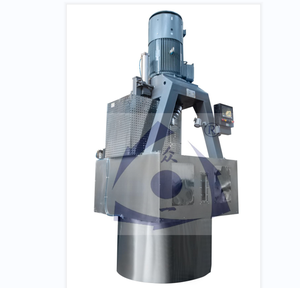
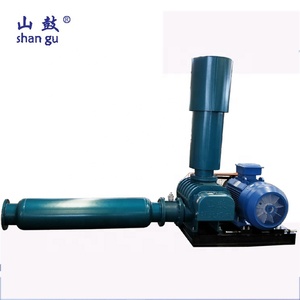
High-performance centrifuges, supercharge pneumatic blowers, steam turbines, and industrial sugar coating systems engineered for maximum productivity.
The Netherlands stands as the primary logistics gateway and food processing powerhouse of Western Europe. With world-class manufacturing centers located across the Port of Rotterdam, Amsterdam, Wageningen Food Valley, and North Brabant, Dutch food and beverage producers demand raw ingredients that conform to exacting microbiological, chemical, and physical parameters. Liquid Fructose—specifically High Fructose Corn Syrup (HFCS-42 and HFCS-55) and pure crystalline fructose liquid concentrates—has become a foundational carbohydrate matrix across European manufacturing lines.
Liquid fructose provides significant physical and process-engineering advantages over traditional dry granulated sucrose. Supplied as a clear, highly refined aqueous solution, liquid fructose eliminates on-site dissolution infrastructure, reduces labor-intensive bag handling, prevents airborne particulate contamination, and ensures instant homogeneity in automated batching tanks. This white paper presents an operational overview of liquid fructose chemical properties, localized application ecosystems within the Netherlands, compliance standards mandated by Dutch food safety authorities (NVWA), and energy-efficient processing equipment integration.
Industrial liquid fructose is manufactured through the enzymatic isomerization of corn-derived starch hydrolysates. D-glucose (dextrose) is converted into D-fructose using immobilized glucose isomerase enzymes, resulting in a stable sweetener profile with enhanced sweetness intensity and moisture-retention characteristics.
| Parameter | High Fructose Syrup 42 (F-42) | High Fructose Syrup 55 (F-55) | Pure Liquid Fructose Concentrate |
|---|---|---|---|
| Dry Matter (Brix Content) | 70.5% - 71.5% Brix | 76.5% - 77.5% Brix | 75.0% - 78.0% Brix |
| Fructose Content (Dry Basis) | 42.0% ± 1.5% | 55.0% ± 1.0% | ≥ 90.0% / Custom Pure Grade |
| Dextrose Content (Dry Basis) | 50.0% - 53.0% | 40.0% - 44.0% | ≤ 5.0% |
| Relative Sweetness (Sucrose = 100) | 90 - 95 | 100 - 110 | 120 - 160 (Temperature Dependent) |
| Recommended Storage Temp | 30°C - 35°C (85°F - 95°F) | 24°C - 30°C (75°F - 85°F) | 20°C - 25°C (68°F - 77°F) |
| pH Value | 3.3 - 4.5 | 3.3 - 4.5 | 4.0 - 6.0 |
| Microbiological Limits | Total Plate Count < 200 CFU/g Yeast & Mold < 10 CFU/g |
Total Plate Count < 200 CFU/g Yeast & Mold < 10 CFU/g |
Total Plate Count < 100 CFU/g Yeast & Mold < 10 CFU/g |
Because liquid fructose exhibits temperature-dependent viscosity and crystallization profiles, holding tanks must maintain precise thermal regulation. F-42 requires storage around 32°C to prevent dextrose crystallization, whereas F-55 remains stable at lower temperatures (27°C). Maintaining these parameters guarantees low-friction pumping during inline metering into continuous mixers.
The Netherlands maintains an exceptionally high concentration of advanced food technology companies. Liquid fructose serves as a critical raw material across multiple localized sectors:
In South Holland and North Brabant, commercial industrial bakeries utilize liquid fructose to master moisture management (humectancy) in baked goods. Fructose is naturally hygroscopic, meaning it binds water molecules more efficiently than sucrose or glucose. In large-scale waffle and stroopwafel syrup formulations, liquid fructose acts as an anti-crystallization agent. It ensures that the rich caramel filling maintains a pliable, chewy texture over extended shelf life without developing coarse sugar crystals.
Bottling plants operating near major Dutch transit corridors leverage F-55 liquid fructose for its clean, rapid sweet taste response. Unlike sucrose, which breaks down over time in acidic matrixes (altering flavor profiles during storage), liquid fructose is chemically stable in low-pH carbonated beverages, RTD teas, and energy drinks. Furthermore, fructose enhances fruity flavor notes, allowing beverage developers to optimize overall sugar solids while preserving taste integrity.
The Dutch dairy processing ecosystem relies heavily on liquid fructose for sweetened condensed milk, fruit-on-the-bottom yogurts, and frozen desserts. Fructose exerts a pronounced freezing point depression effect. By lowering the freezing point of ice cream mixes, it yields a softer, more scoopable texture directly out of deep-freeze storage while enhancing creaminess without adding unnecessary fat solids.
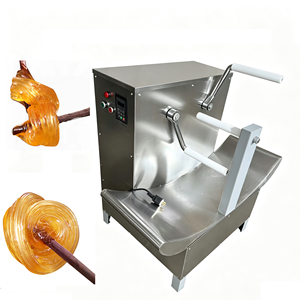
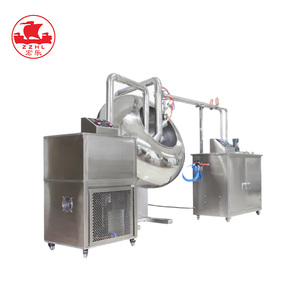
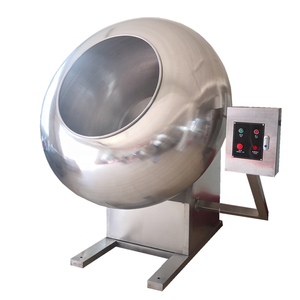
Industrial confectionery operations across the Netherlands employ specialized coating turbines to apply uniform sugar and compound coatings onto dragées, nuts, and gummies. Liquid fructose solutions, when processed through touch-control coating drums, produce high-shine protective coatings with controlled moisture migration barriers.
Purchasing ingredients for the Dutch market requires strict adherence to both EU directives and regional health policy trends:
Robust infrastructure, international quality accreditations, and integrated sugar mill technology.
Strategic stockholding at major Dutch deep-sea ports guarantees seamless customs clearing, fast LTL/FTL distribution, and zero disruption to continuous production lines.
FSSC 22000, ISO 9001, Kosher, and Halal certified products. HPLC lot analysis accompanies every single drum, tote, and bulk liquid tanker batch.
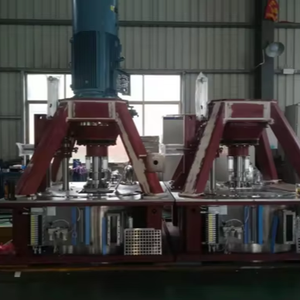
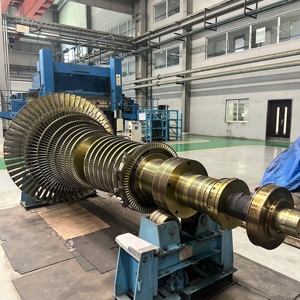
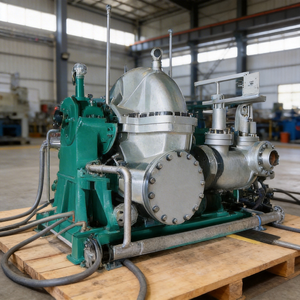
Beyond liquid ingredients, we supply industrial high-speed centrifuges, Roots supercharge blowers, and bagasse steam turbine energy systems for sugar mills.
Everything you need to know regarding liquid fructose supply chain, delivery formats, and EU regulatory compliance.
We provide flexible bulk delivery solutions tailored to your plant infrastructure: 25 kg aseptic pails, 250 kg food-grade steel/HDPE drums, 1,000 kg IBC totes (with optional heating jackets), and 25-tonne temperature-controlled stainless steel bulk liquid road tankers directly dispatched from Rotterdam logistics centers.
F-55 provides equal to slightly higher sweetness compared to inverted liquid sucrose, but with superior pH stability. Sucrose can hydrolyze over time in acidic drinks, altering sweetness levels during store shelf life. F-55 maintains a completely constant taste profile, prevents flavor masking, and pumps cleanly through standard dosing equipment.
Yes. We supply certified Non-GMO liquid fructose produced in strict compliance with EU Regulations (EC) No 1829/2003 and 1830/2003. PCR testing documentation is provided with every batch to verify the absence of genetically modified DNA sequences.
For standard IBC totes and drums, our standard minimum shipment starts at 1 pallet (approx. 1,000 kg). For bulk tanker orders servicing continuous bottling or industrial baking operations, standard loads run at 24 to 25 metric tonnes.
Bulk storage installations require 316L stainless steel or food-grade reinforced fiberglass tanks equipped with sterile air venting, CIP (clean-in-place) spray balls, and automated thermal jackets maintaining 25°C to 30°C to ensure optimal fluid viscosity and prevent microbial contamination.
All liquid fructose is micro-filtered down to 0.45 microns and thermally sterilized prior to packaging under ultra-clean positive pressure nitrogen blankets. Unopened drums and IBC totes maintain a guaranteed shelf life of 12 months when stored under recommended environmental conditions.
Yes. We provide complete industrial machinery support, including sugar industry high-speed centrifuges (SS304/316L), pneumatic Roots transfer blowers, bagasse power plant steam turbines, and commercial coating drums with advanced touch control systems.
Request technical specification sheets, product samples, or a competitive quote tailored to your Dutch manufacturing plant location.